
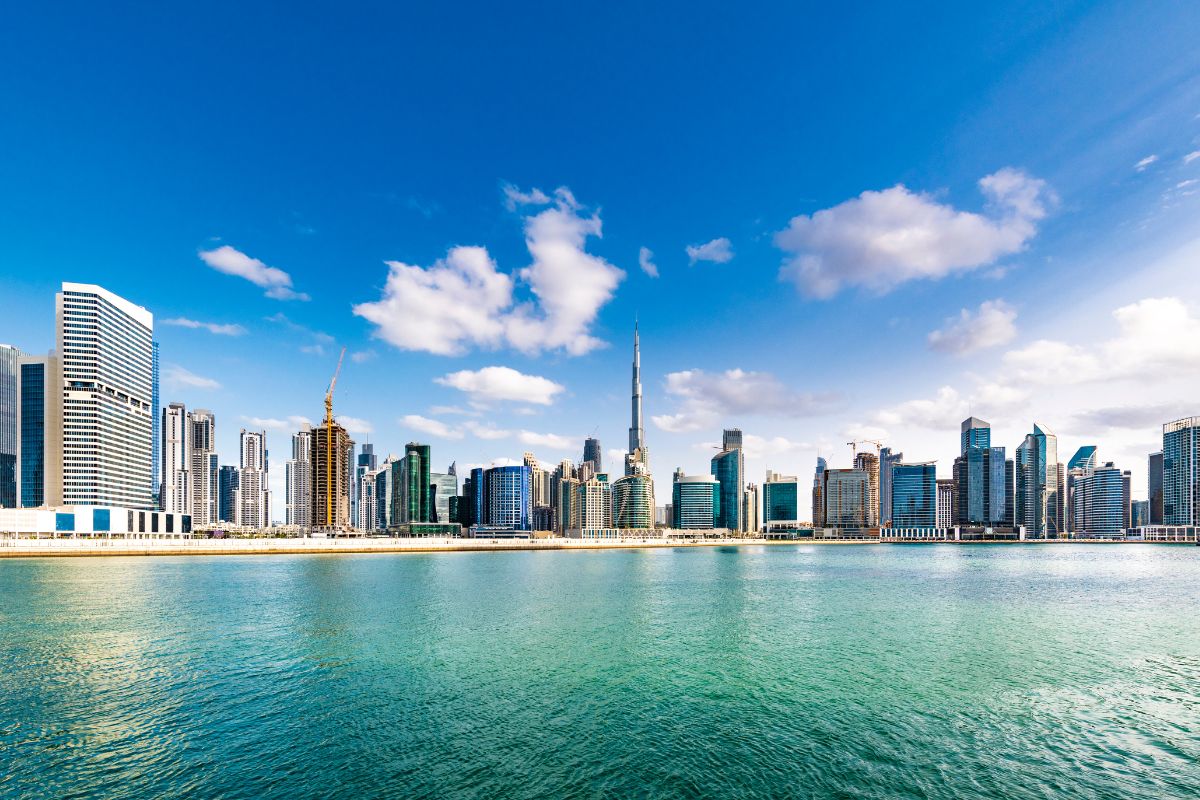
In Dubai, "New" Can Age Fast and "Old" Can be Premium
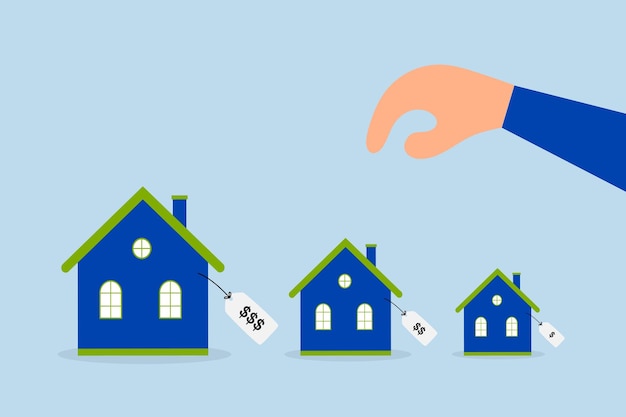
Dubai is a fast-growing city. New towers rise every year. Fresh communities emerge almost overnight. Because of this speed, many buyers assume that the newer, the better. In reality, though, this assumption often leads to costly mistakes.
In Dubai, two buildings launched in the same year can perform very differently after 5 or 10 years. One may still look premium, attract strong tenants, and sell easily. The other may already be tired, discounted and shunned by serious buyers. Age alone is no measure of quality. How a property is constructed, managed and used over time is much more important than this.
At FP Property, we have seen a sharp shift in buyer behaviour. Earlier, the majority of questions concerned finishes, views, and launch prices. Today, the buyers ask deeper questions. They want to know how the building is being maintained. They ask about service charges, performance of lifts, quality of long-term management, etc. They are concerned not only with the appearance of the property for its handover, but also for the next few years.
This shift is occurring due to the maturing nature of Dubai's market. Investors are no longer short term gain chasing short-term gains. End users desire comfort that lasts. Longevity will be a major driver of value. Properties that age well are capital-protected and provide steady returns. Properties whose values decrease rapidly do the opposite.
This article explains why some properties in Dubai age gracefully while others lose appeal fast. It dismantles the factors hidden and ignored by most buyers and demonstrates how smart decisions today can avoid regrets tomorrow.
What Does "Ageing Well" Mean in Dubai Real Estate
Ageing well does not mean being brand new forever. No building can avoid wear. What is important is the degree of control that wear has, and how well it is managed.
First is appearance. Well aging properties help to keep common areas clean and presentable. Lobbies are, however, still warm and friendly. Corridors are well-lit and are free of damage. Lifts work smoothly and do not have a beaten appearance. Small details are a big story.
Second is operational stability. In a good building, systems do work most of the time. Accurate and dependable air conditioning. Water pressure is stable. Security systems are operational. When problems arise, it is quick to respond. Residents have a sense of problems being handled, not ignored.
Third is the financial stability. Properties which age well tend to have rational service charges. Costs increase gradually and not suddenly. There is planning behind expenses. Owners are not shocked by special levies every year.
Fourth is market stability. These buildings have ongoing appeal to tenants. Vacancy stays manageable. Buyers are still confident because the building has a reputation for being well run. This confidence is indicative of resale value.
A well-aged property has a calm and predictable feeling. A property which does not age well is stressful. Buyers and tenants sense this difference immediately.
The Hidden Drivers Behind Property Longevity
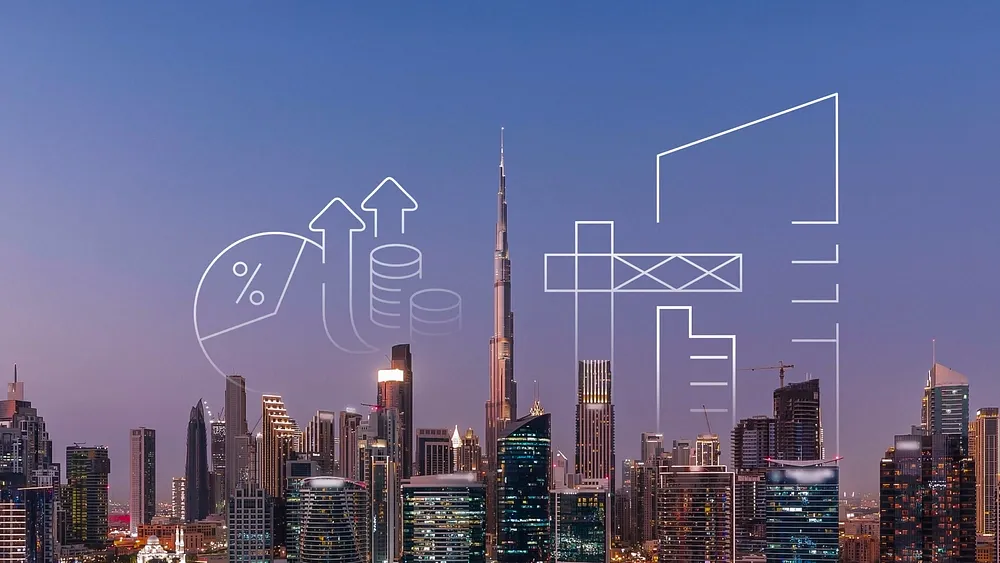
Many buyers only see what they can actually see on the surface. Real longevity is the function of things that are not usually visible in a quick viewing.
Construction Materials and Workmanship
The finishing quality and durability are not the same thing. Shiny tiles and fancy light can conceal weak construction behind them. Durable buildings have proper waterproofing systems. This is to protect from the leaks which tend to occur after a few years. Poor waterproofing causes stains, mold and repeated repairs.
HVAC systems are extremely important in Dubai's climate. Good systems are sized properly and are carefully installed. Weak systems are hard to deal with in the summer, fail more frequently and cost more to maintain.
Elevator quality is another major factor. Cheap lifts might work fine initially, but do not last very long with heavy use. Frequent breakdowns of lifts can be very frustrating for residents and damaging to the reputation of their buildings.
Execution quality during construction determines the quality of materials. Even good materials do not function well when installed poorly. This is why two buildings that are similar in their specifications can age very differently.
Design That Prevents Wear
Design influences how people move about a building. Poor traffic flow means faster damage. Narrow corridors, poor parking layouts and poorly located entrances provide increased stress to surfaces and systems every day.
Good ventilation is very important in Dubai. Buildings planned with good air circulation help to minimise the accumulation of humidity. This prevents mould, bad smells and long-term damage to walls and ceilings.
Sun exposure is also important. Thoughtful facade and interior shading limit heat stress. This slows the ageing process and has a calming effect.
Design that takes into account the daily use ages better than a design focused only on first impressions.
Maintenance Planning Incorporated into the Project
The best projects are planned for the future from day one. They know lifts, chilled and pumps will have to be replaced after a certain time. Funds are allotted over time.
Buildings without long-term planning have delays in maintenance. Repairs are undertaken only when systems fail. So there are sudden spikes in cost and a visible decline because of this reactive approach.
Properly planned projects do not fall apart. Owners are not surprised. Assets remain functional and attractive for longer.
How Management Quality Separates “Good Ageing” from “Fast Decline”
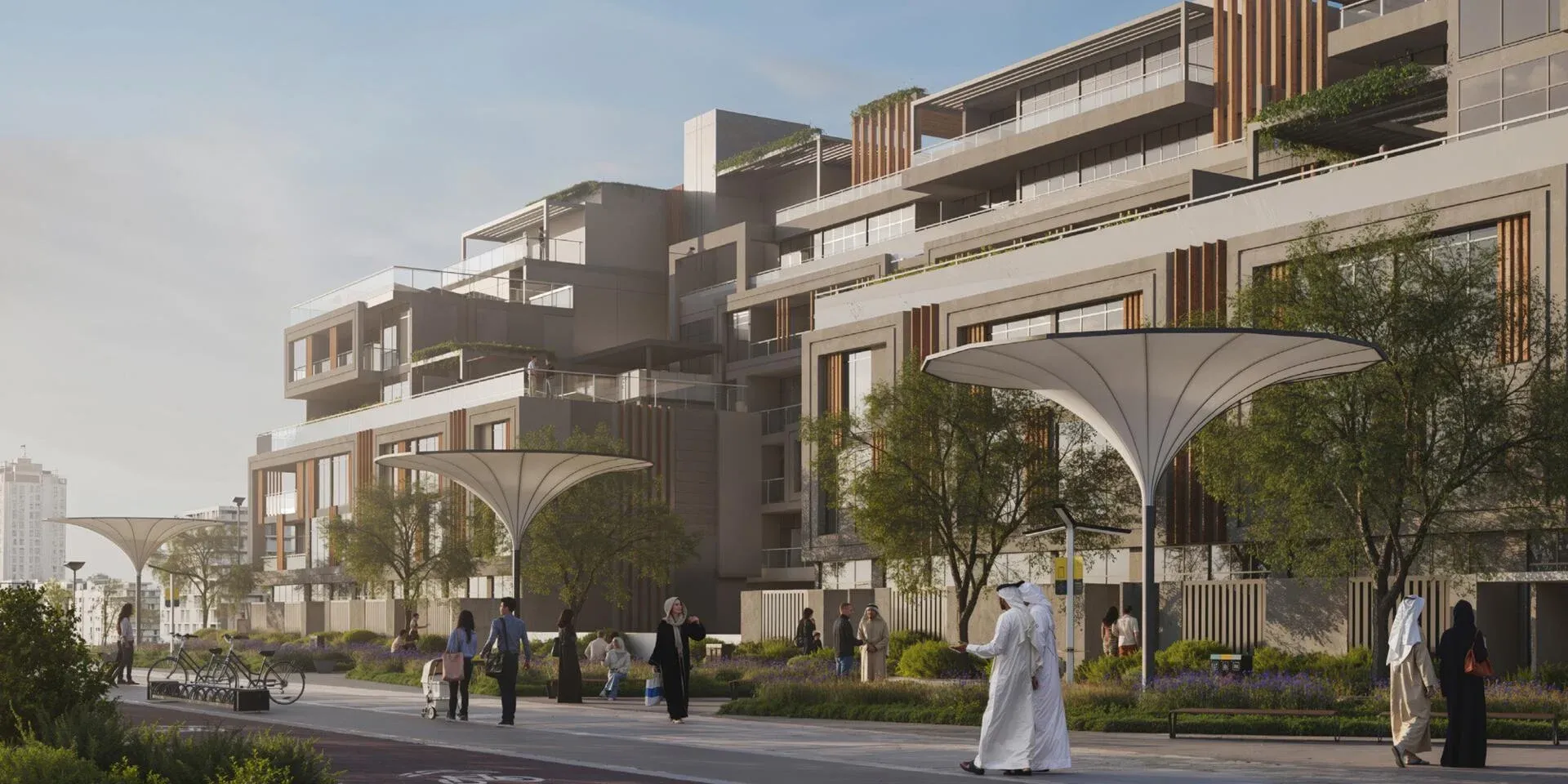
Management quality is often the greatest difference between two similar buildings.
Preventive maintenance is the preventive effort directed at preventing problems before they arise as serious. Reactive maintenance is when nothing is done until something breaks. Buildings that grow old well follow the preventive approach.
Vendor quality matters too. Reliable contractors get things right the first time. Cheap vendors will often patch problems temporarily, and then the problems will keep happening.
Response time is critical. When residents witness immediate action, confidence is increased. When the complaints are ignored, frustration spreads, and reputation suffers.
Transparency is also involved. Good management is an explanation of where money goes. Budgets are clear. Owners know why there are costs. Poor transparency creates mistrust and disagreements.
A building with average construction and good management often ages better than a high-end building with poor management.
Density, Usage, and Tenant Turnover: The Wear-and-Tear Multiplier
How many people use a building and how they use it influences the rate of ageing.
High-density buildings put heavy demands on lifts, parking spaces and common facilities. More users mean more wear. Without a lot of maintenance, decay occurs quickly.
Increased wear: Short-term leasing causes wear to be dramatically increased. Frequent guest turnover results in careless use. Residents feel less of a responsibility towards shared spaces. Complaints rise.
Tenant profile matters. Long-term residents usually treat homes better. Corporate tenants are often more stringent. Constant short stays often decrease the overall quality of upkeep.
Buildings that are designed with balanced residential uses age better than buildings forced into high turnover models.
The Financial Effect: How Ageing Impacts Resale Value and Rent
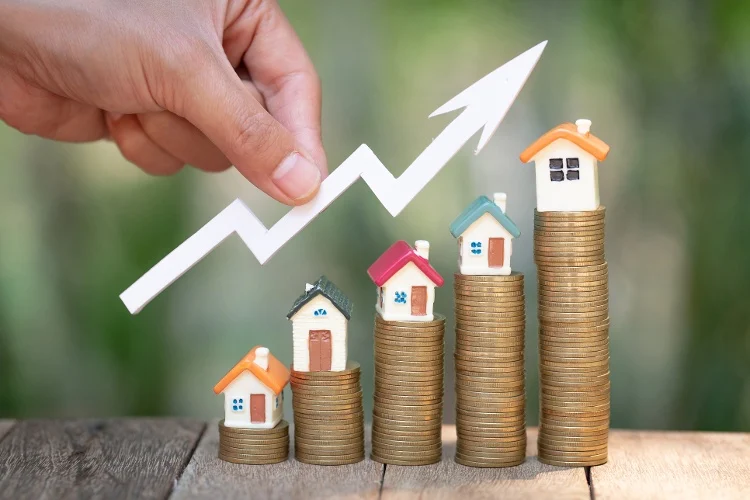
The way a property ages has a direct impact on money. It influences how much rent it can receive, as well as how easily it can be sold in the future.
The deteriorating buildings are under high rent pressure. Tenants compare all the time. When another building in the vicinity is offering better conditions, at a similar price, the tenants move without hesitation. Even tiny signs of neglect can turn renters away.
As the reputation decreases, vacancy starts to increase. Empty units lower income, causing landlords to drop rents further just to remain competitive. This begins a downward cycle that is hard to stop once it starts.
Buyers are also quick to respond to visible deterioration. Even if an individual unit is well kept, bad lobbies, damaged corridors, or poor lifts do diminish the overall appeal. Buyers consider the future repair costs when making their offers and demand discounts.
When maintenance is postponed for too long, service charges tend to increase suddenly. Owners end up paying more with very little improvement. This combination discourages new buyers and adds to the frustration of existing ones.
Properties with ageing well are protective of rental income and resale value. Properties that age poorly reduce returns at a slow rate each year.
Which Property Types Typically Age Better in Dubai
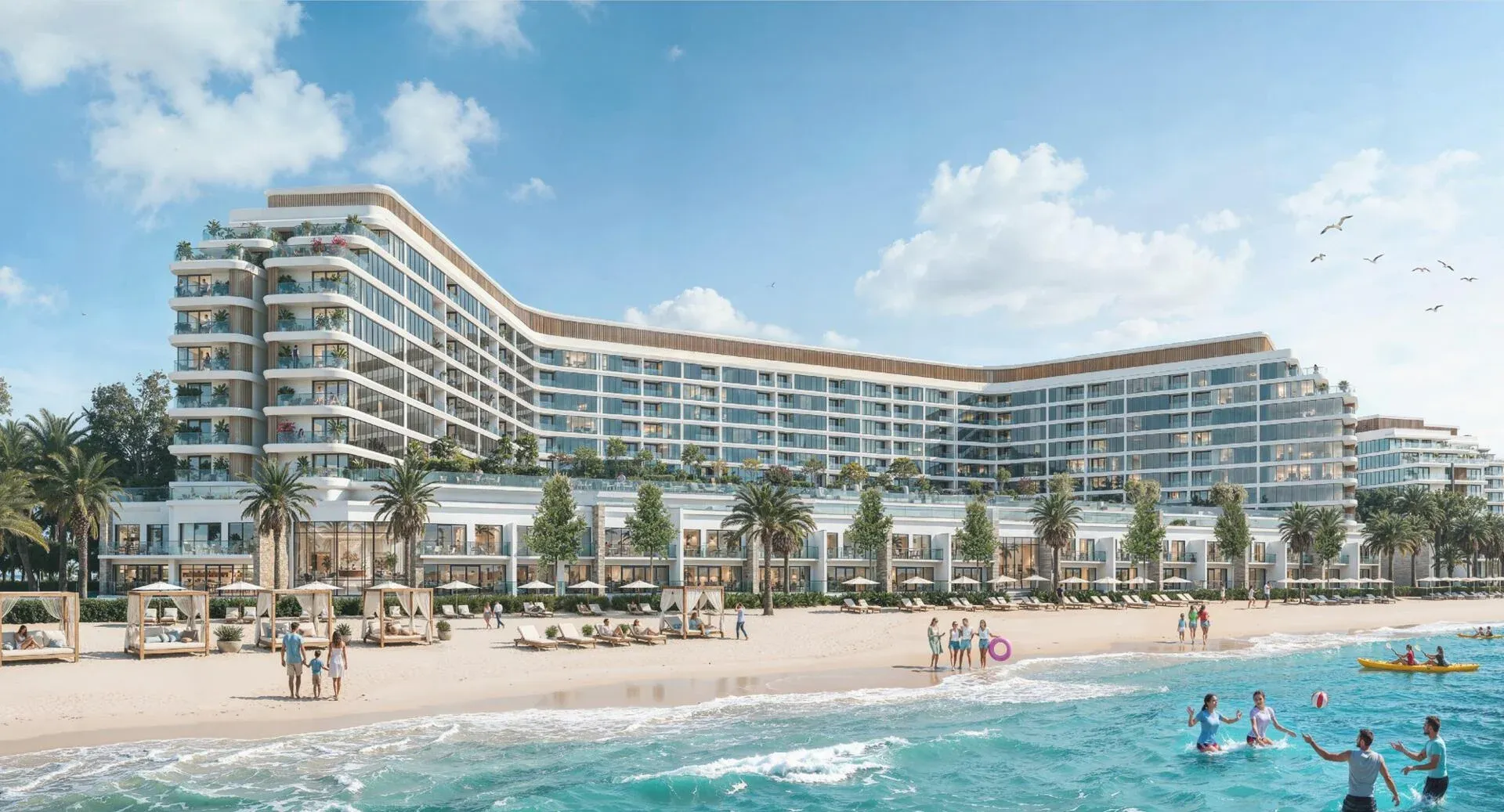
Some types of properties have a consistently better performance over time in Dubai.
Low-density communities tend to age well. With reduced residents, less pressure is placed on lifts, parking areas and shared spaces. Maintenance is easier to control, and the living experience is calm and orderly.
Master planned areas with long-term developer oversight also do well. Developers within these communities keep the standards in place, coordinate upgrades and keep things consistent all the way across the area. This long-term vision helps communities to stay relevant even as they age.
If you have balanced amenities in the building, it will perform better than excessive features. Pools, gyms and simple shared facilities that are used daily warrant their maintenance. Overloaded luxury amenities that the few who use them will frequently become burdensome and costly in the long run.
Simple and functional design is better than complex and flashy concepts. Practical layouts and relatively indestructible materials age better than designs that are created primarily for visual impact
Red Flags That Signal a Property May Decline Faster
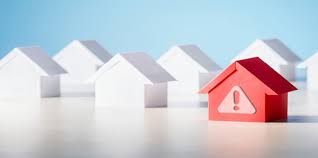
There are some warning signs that buyers should never ignore.
Visible stains on walls or ceilings are likely to indicate water or drainage problems. Unpleasant smells in corridors are indicative of poor ventilation. Broken or mismatched fixtures are symptoms of neglect rather than planned maintenance.
Frequent breakdown of lifts is a serious issue. Lifts go down daily, and incessant downtime is indicative of greater mechanical or management issues. Parking access problems are also an example of poor planning or poor maintenance.
Inconsistent security presence influences the sense of safety among the residents. Poor cleanliness breeds a lack of pride in the building and carelessness.
Sudden increases in service charges with no visible improvement generally mean years of deferred maintenance are catching up all at the same time. This pattern can often continue to repeat itself and get more expensive over time.
When a number of these signs are exhibited together, usually a decline is already in progress.
How Buyers Can Evaluate Longevity Before Buying
Buyers can reduce risk by taking a few practical and often overlooked steps.
Visit the building during peak hours. This is when real pressure shows. Observe how the lifts perform under heavy use and check whether common areas remain clean, organised, and well managed despite high foot traffic.
Request the service charge history. Stable and gradual increases usually reflect responsible management, while sudden spikes can signal poor planning or deferred maintenance. Ask about major repairs completed recently and any large works scheduled for the future.
Inspect high-wear areas carefully. Lifts, parking ventilation systems, and corridor finishes reveal how well a building has been maintained over time. These elements show genuine ageing and are difficult to disguise.
If possible, speak with residents or simply watch how shared spaces are used. Respectful behaviour, orderly common areas, and a calm atmosphere often point to effective management and satisfied occupants.
Assessing long-term durability takes extra effort, but it helps avoid unexpected costs, ongoing frustration, and value loss later on.
FP Property Insight: Our Longevity Screening Criteria

At FP Property, we have a straightforward and systematic process to check the longevity.
The evaluation of operational condition is accomplished by visual inspection and functional testing. We are interested in how systems really perform, not how good the staging of the property is.
We measure cost sustainability by examining service charges and long-term expense management. Costs have to make sense not only today, but years from now.
We assess liquidity by asking the question of who will want to purchase this property in the future, and why. High resale demand is essential.
We test the resilience of rental properties to help understand if the property can sustain demand in different market conditions.
This approach helps clients avoid those assets that appear attractive today but have difficulties performing over time.
Market Outlook: Why Longevity Will Matter More
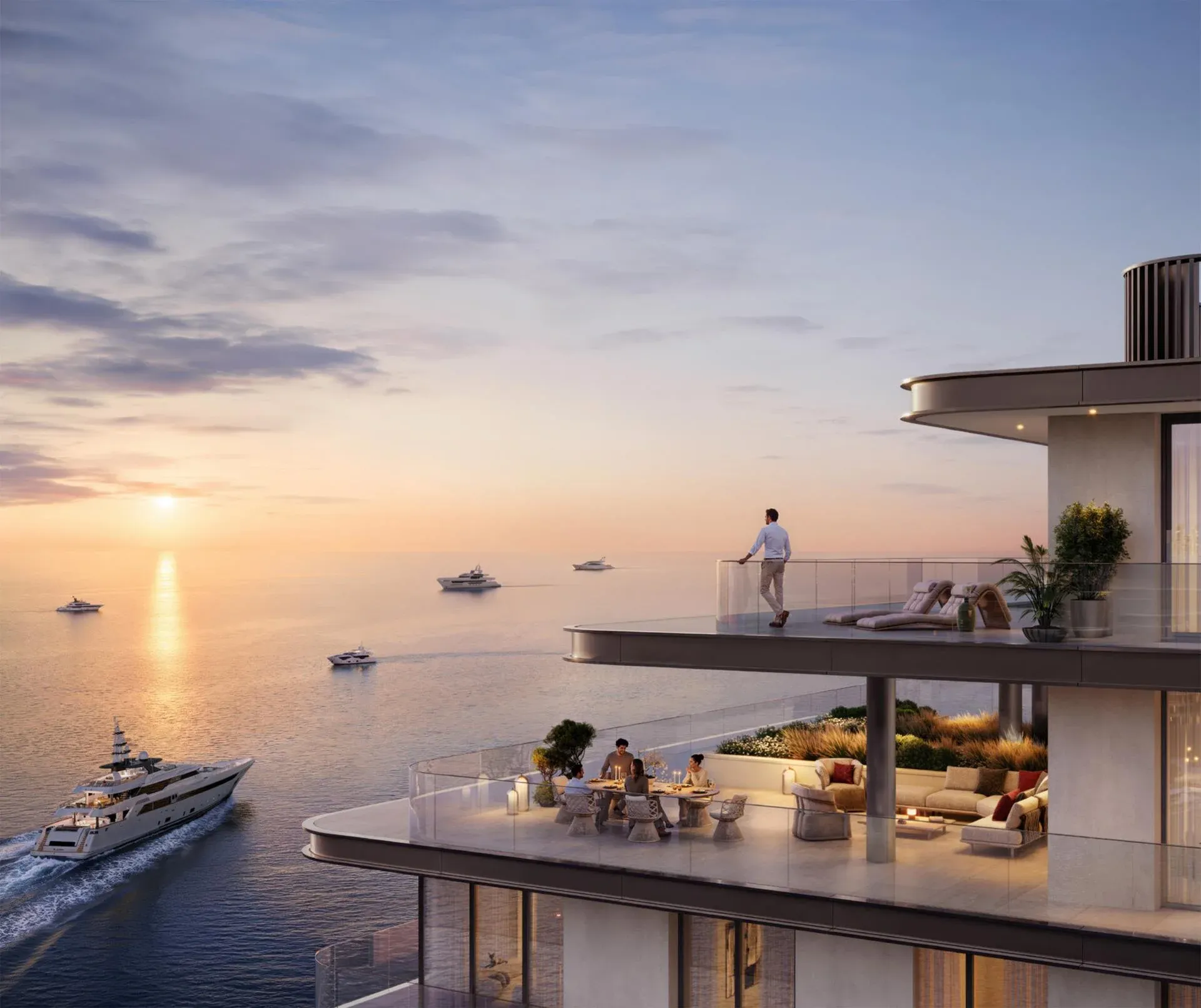
Dubai’s real estate market is becoming increasingly competitive. As new supply enters the market, buildings that are poorly maintained or inefficient will lose appeal much faster than before. Buyers and tenants now have more options, and that choice naturally shifts demand toward properties that can prove long-term reliability.
Both buyers and tenants are far better informed today. They look beyond the headline price and compare management quality, overall condition, maintenance standards, and ongoing running costs. A lower purchase price means little if service levels are weak or expenses keep rising year after year.
With the rising cost of living, service charges have become a key decision factor. People are more sensitive to monthly and annual outgoings, especially in buildings with shared facilities. Well-managed, cost-efficient developments stand out because they offer predictability and fewer financial surprises.
Over time, longevity will clearly separate strong assets from weak ones. Buildings that age well will retain demand, protect rental income, and hold resale value. Poorly performing properties will struggle to compete, and the gap between the two will continue to widen as the market matures.
Conclusion: The Best Investment Is the One That Still Performs After Year Five
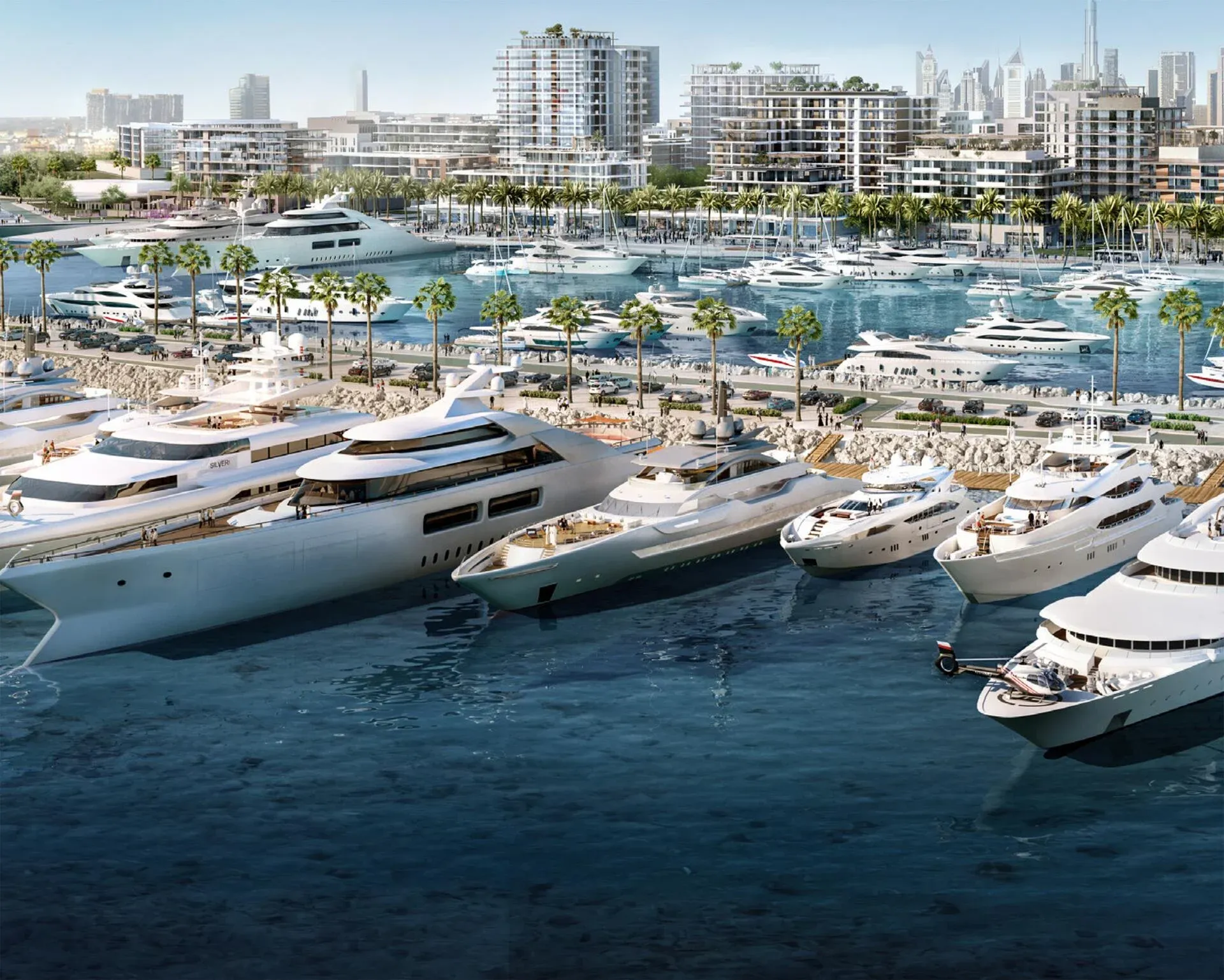
In Dubai, first impressions are soon forgotten. Long-term performance is what really matters.
The best property is not necessarily the latest property. It is the one that is reliable, maintained and affordable to own, year after year. A building that ages well ensures that rental income is maintained, resale value is supported, and stress for the owner is diminished.
The longevity is a reward for prudent consideration and the right decision-making. Buyers who only look at appearance later regret it. Those who care more about durability, management quality and long-term stability are more positioned for consistent returns.
Work with FP Property to identify assets with proven long term performance, supported by real market data and practical investment insight. Our team helps you assess not just the purchase potential, but also resale rental demand, and long-term value stability. With clear guidance at every stage, you can make confident decisions that align with your financial goals and reduce risk over time.