
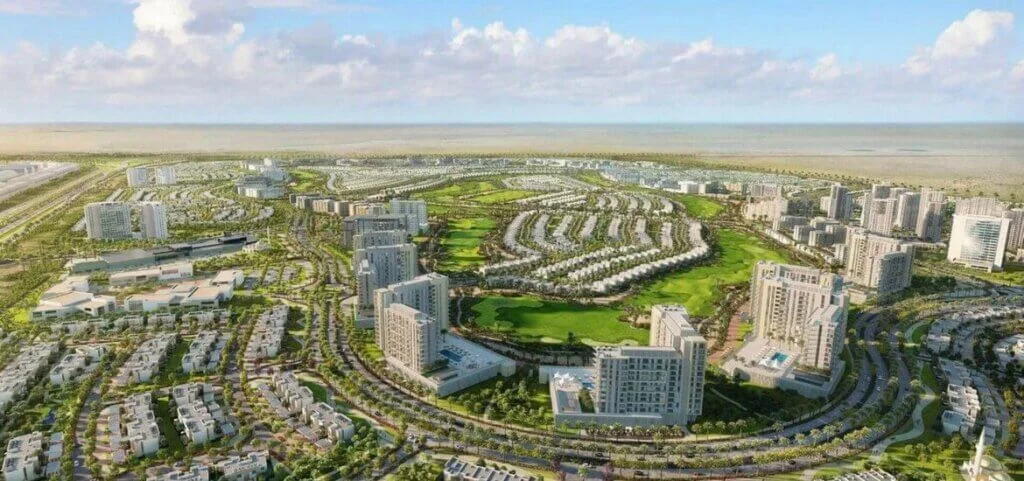
The Global Rise of Live-Work-Play Environments
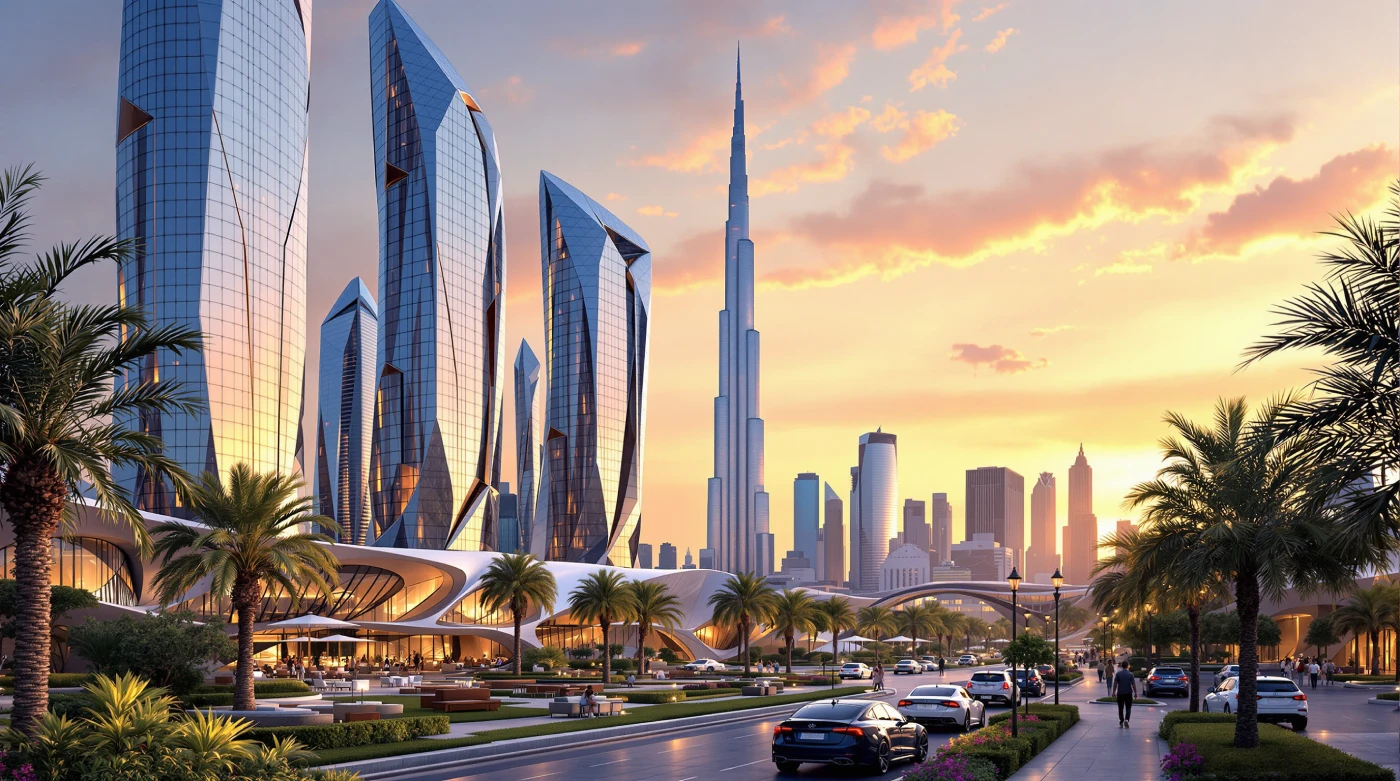
Cities around the world are changing rapidly. People no longer want to live far away from workplaces and shopping centres. Long commutes are increasingly seen as inefficient and costly in both time and energy. This shift has led governments and developers to rethink how communities are planned. Instead of separating residential, commercial and retail zones, they are now being integrated into a single environment.
Dubai adopted this model earlier than many global cities. Mixed-use developments in Dubai are designed around daily convenience. You can live, work, shop, dine and relax within the same area. For residents, this creates a seamless lifestyle. For investors, it often translates into stronger and more stable returns in 2026.
Traditional districts rely on a single type of user. Office zones become inactive at night, while residential areas remain quiet during working hours. Mixed-use communities operate as 24-hour ecosystems. This continuous activity supports businesses, maintains strong rental demand and helps protect property values during market fluctuations.
This is why mixed-use zones are increasingly viewed as some of the most secure and high-performing real estate investments in Dubai.
What Makes a Mixed-Use Community Successful?

Not all mixed-use projects succeed. Some underperform due to poor planning or lack of balance. The most successful communities share several key characteristics.
Strong Residential, Office and Retail Balance
A true mixed-use community is not simply a residential tower with retail at the ground level. It requires a well-planned balance.
Residential units should cater to different budgets and lifestyles. Office spaces need to attract active businesses rather than remain underutilised. Retail should focus on everyday essentials such as supermarkets, pharmacies, cafés and services, not just luxury outlets.
When these elements support each other, foot traffic remains consistent. Offices generate weekday activity, while residents sustain evenings and weekends. Retail benefits from both. This balance reduces vacancy risks for investors, as demand is diversified across multiple sectors.
Walkability and Smart Lifestyle Design
Walkability has become a major priority for residents in recent years. Wide pavements, shaded walkways, cycling tracks and green spaces all contribute to a higher quality of life. When residents can walk to work or access daily needs within minutes, the overall appeal of the community increases significantly.
Smart planning also includes efficient traffic flow, adequate parking and strong connectivity to public transport. Proximity to metro stations and major road networks continues to play a key role in driving both rental demand and resale value in 2026.
Lifestyle infrastructure is equally important. Facilities such as gyms, clinics, schools, co-working spaces and leisure areas encourage people to spend more time within the community. The longer people stay engaged in one area, the stronger the local economy becomes.
Benefits for Investors
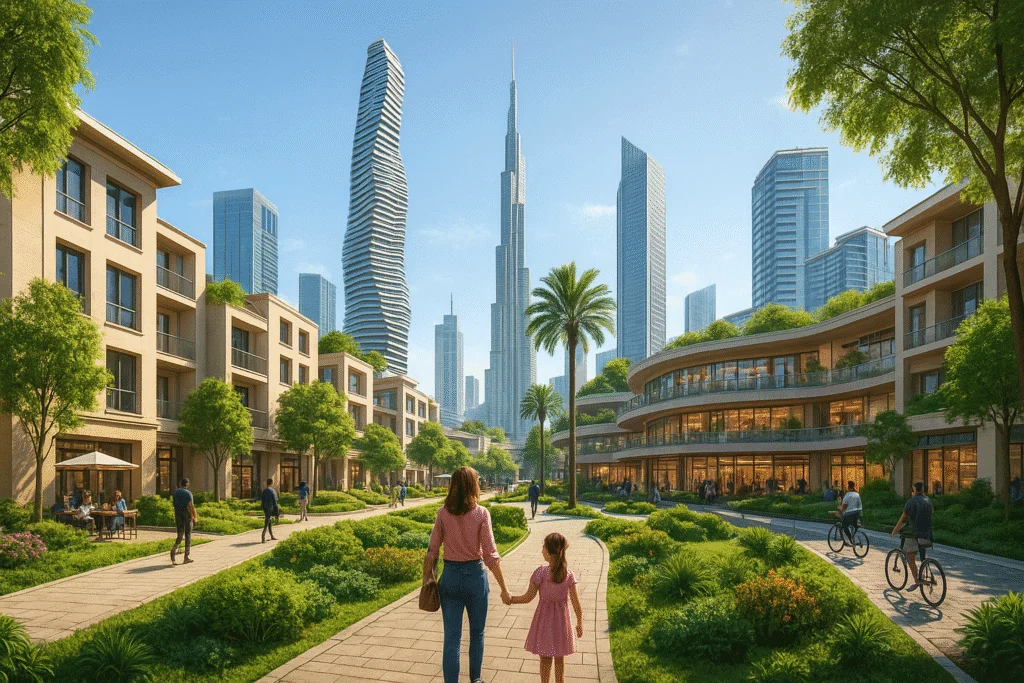
From an investor’s perspective, mixed-use communities offer several clear advantages.
Stronger Rental Demand
Tenants prioritise convenience. Young professionals often choose mixed-use areas to minimise commute times. Families value access to schools, healthcare and parks. Business owners benefit from visibility and foot traffic.
As a result, rental demand becomes more diversified. Investors are not dependent on a single tenant profile. If demand from one segment slows, another often compensates. This diversity helps maintain consistent cash flow.
Lower Vacancy Risk
In single-use districts, demand can fluctuate significantly. Office-heavy areas may struggle during periods of remote work adoption. Residential-only suburbs may underperform if connectivity is limited.
Mixed-use communities remain active throughout the day. People visit for work, shopping, dining and leisure, which keeps occupancy levels higher and units easier to lease. For investors, fewer vacant periods directly improve annual returns.
Improved Long-Term Price Stability
Property values are closely linked to how useful a location remains over time. Mixed-use communities tend to age better because of their adaptability.
Retail spaces can evolve with changing consumer trends. Offices can transition into flexible or co-working environments. Residential units remain attractive due to the convenience of integrated living. This adaptability supports long-term capital appreciation, particularly in a dynamic market like Dubai.
Top Emerging Mixed-Use Zones in Dubai (Without Overlapping Your Existing Topics)
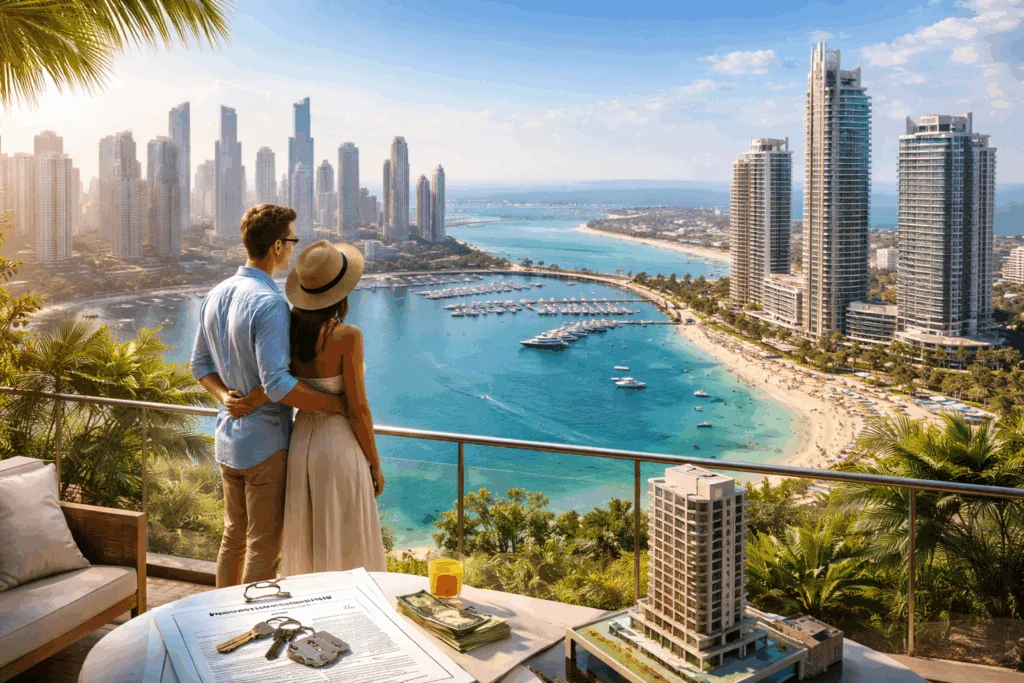
Dubai already has established mixed-use districts, but investors are increasingly focusing on emerging areas that offer better entry prices and higher growth potential.
Dubai Science Park
Dubai Science Park has evolved beyond its original focus on research and healthcare. It is steadily transforming into a fully integrated mixed-use hub.
Residential developments, retail outlets, cafés and wellness facilities are expanding. The area continues to attract companies in healthcare, biotech and technology sectors, creating a stable tenant base.
For investors, rental demand is driven by professionals who prefer to live close to their workplace. Retail benefits from consistent daily footfall, and with continued development into 2026, property values are expected to strengthen further.
Jumeirah Bay Area
Jumeirah Bay represents a more premium mixed-use concept. It combines residential living with hospitality, fine dining and leisure experiences in a compact, high-end setting.
While entry prices are higher, the tenant profile is strong. High-net-worth individuals, executives and long-term residents drive demand in this area.
Retail and dining outlets benefit from both tourism and resident spending. Investors here typically focus on both capital appreciation and high-quality rental income.
Motor City Transformation Stages
Motor City has traditionally been known as a residential community. However, ongoing development phases are gradually transforming it into a more complete mixed-use destination.
New retail strips, business centres, fitness hubs and entertainment zones are being introduced. The area already benefits from strong road connectivity and established infrastructure.
As Motor City becomes more self-sufficient, rental demand is expected to grow further. Investors entering during these transformation stages often benefit from gradual price appreciation over time.
Conclusion

Mixed-use developments in Dubai are no longer just a trend—they are becoming the foundation of modern urban living. By integrating residential, commercial, retail and lifestyle spaces, these communities create continuous activity and sustained demand.
For investors, the benefits are clear: stronger rental demand, lower vacancy risk and greater long-term resilience. In a city like Dubai, where innovation and expansion continue at a rapid pace, mixed-use zones are increasingly seen as future-proof investments.
If you are looking for properties that offer both income and capital growth, now is the time to focus on mixed-use communities in Dubai.
Explore Dubai’s highest potential mixed-use investment areas and position your portfolio where the city’s future growth is heading.