

The Best Investment Is the One You Can Exit Smoothly
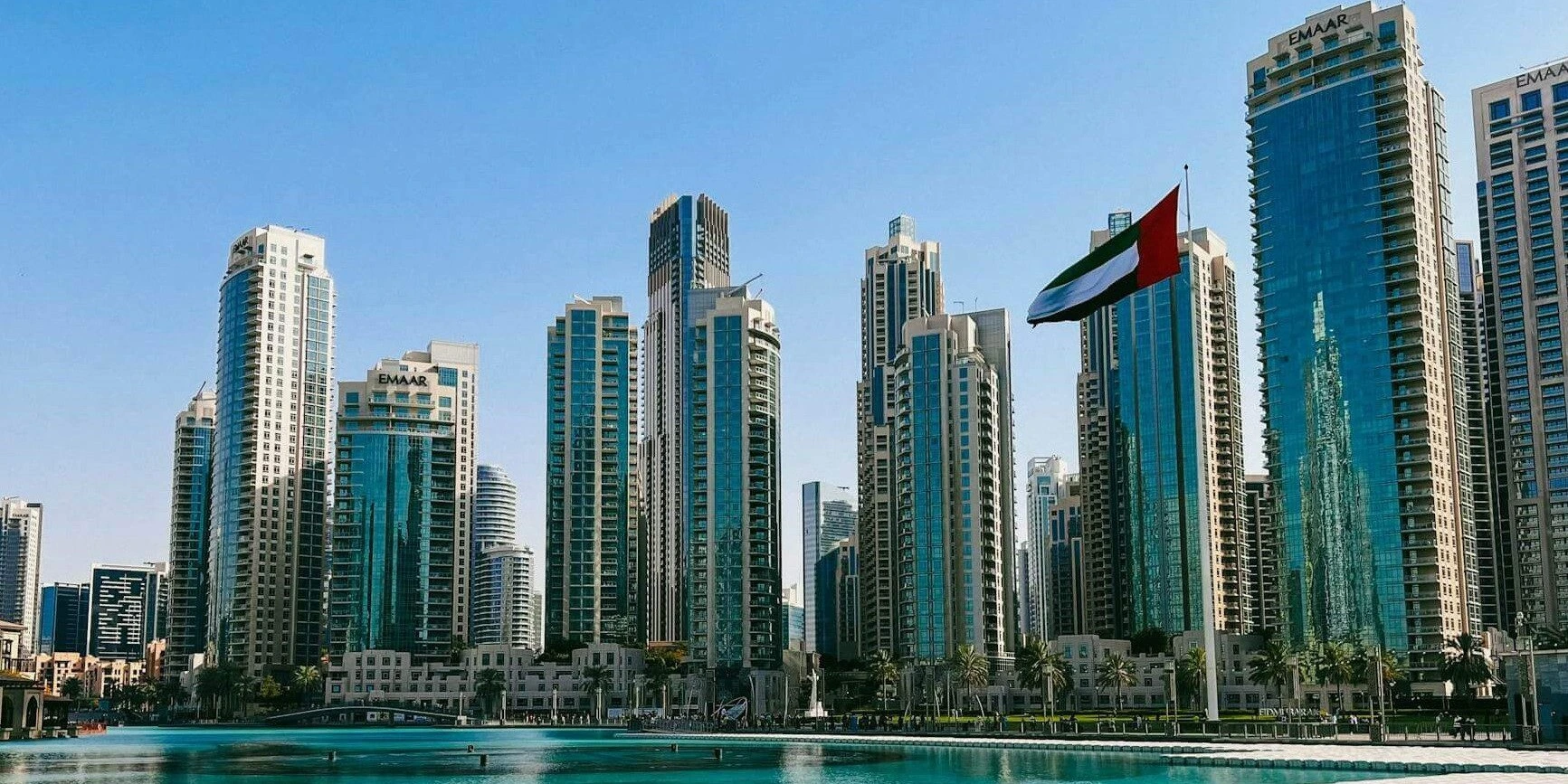
Investing in real estate in Dubai can be very rewarding. With its modern skyline, luxury way of life, and high rental demand, the city is attractive to the world's investors. However, there is one important factor that often distinguishes successful investors from those who struggle - exit strategy planning. Many investors focus on purchasing the right property, but fail to plan how they will be able to sell it in the future. This oversight can turn a seemingly profitable purchase into a long-term burden.
FP Property has noticed that exit difficulty is the number one reason why investment returns do not meet expectations. You may see the value of your property increase on paper, but if it cannot be sold quickly and at the right price, then those gains are merely "paper profits" anyhow. Real profit comes from liquidity -- the ability to convert a property into cash in an efficient way.
In this blog, we will discuss what exit liquidity in Dubai real estate means, what factors determine how easy it is to sell a property, and the strategies that smart investors are using to ensure that their investments are always liquid and profitable.
What “Exit Liquidity” Means in Dubai Real Estate
Before getting into specific strategies, it is important to understand what exit liquidity really means. In simple terms, exit liquidity is the ease of sale of a property in the market without losing value. Some factors characterise exit liquidity in Dubai.
Check some of the following factors to get a better understanding of exit liquidity in Dubai:
Size of the Buyer Pool in Your Price Point
Every property has a segment of buyers that is attracted to it. Properties priced too high for the average investor may have only a few potential buyers, whereas middle-range properties have a larger pool of potential buyers. The bigger the pool of buyers, the easier it is to sell.
Impact on Mortgage Eligibility
Many buyers require bank financing. If a property is not mortgage-friendly or does not meet bank standards of valuation, then your pool of potential buyers will be greatly reduced.
Comparability of Sales Availability
Buyers want reassurance. If similar units have sold in the recent past, it validates the value of your property. Properties with no comparable sales tend to be more difficult to sell because buyers can be afraid of overpaying.
Speed of Resale in Normal Market Situations
A property that sells in weeks or a few months is considered highly liquid. Those that take years or have to be sold at a heavy discount have poor exit liquidity.
Understanding these elements helps investors not only to focus on buying but also to plan a smooth exit.
The Main Factors That Determine How Easy a Property Is to Sell

A few basic factors play a part in whether or not a property can be sold quickly and at a price that is expected. Paying attention to these can save investors from costly mistakes.
Unit Setup and Feasibility
The physical plan of a property has a major impact on resale potential. Functional layouts are always favoured by buyers in Dubai, who are looking for practical layouts that enable daily living:
One-bedroom and two-bedroom apartments tend to sell faster than funky layouts.
In addition, kitchens that are practical and open to living areas are appealing to tenants and families.
Appropriate storage and closet space are needs that are often overlooked, but highly valued.
Investors are more interested in the units that are satisfactory according to common market preferences than the designs that are according to the preferences of a small niche.
Community Reputation and Maintenance
Even the most well-designed unit may become difficult to sell if the building or the community looks neglected. Buyers are often intimidated away from properties that appear "tired" or poorly managed. Factors to consider include:
- Cleanliness & Regular Maintenance of Shared Spaces
- Reputation of the management company
- Security, amenities, and community maintenance
Communities that have good maintenance and a good track record are more liquid and hold their value better over time.
Price Band Demand
The price of your property influences the size of the buyer pool:
Mid-market properties tend to have the largest pool of buyers and the fastest sales.
Ultra-luxury properties may offer great value individually, but to a more narrow and specialist market.
Understanding the price band demand helps to ensure your property is attractive to buyers when it comes time to sell it.
Easy-to-Sell vs Hard-to-Exit Properties

To better visualise liquidity, consider the difference between easy-to-sell and hard-to-exit properties:
|
Feature |
Easy-to-Sell |
Hard-to-Exit |
|
Buyer Pool |
Broad |
Narrow |
|
Mortgage-Friendly |
Yes |
Often restricted |
|
Community |
Mature and well-managed |
New or uncertain delivery |
|
Unit Layout |
Standard and practical |
Unique or unusual |
Investors should aim for properties that match the “easy-to-sell” profile, as they offer higher liquidity and reduced risk.
How Mortgage Eligibility Impacts Exit

Mortgage eligibility is an important factor that directly influences the ease with which a property can be sold in Dubai. Banks are a pivotal player in the market, as the majority of buyers use financing for buying property. If a property is not mortgageable, the pool of potential buyers is quite limited, and it becomes more difficult to sell, and the price may have to be cut to attract cash buyers.
One important aspect of this is valuation alignment. Properties that are priced above the level that banks are willing to finance may not be eligible for mortgage loans. Even if a buyer is interested, they may not be able to obtain the funds needed to purchase the real estate, which restricts the resale market. Keeping the property price in line with what the bank values the property helps in maintaining liquidity and confidence on the part of buyers.
Building restrictions are also important. Some developments are blacklisted or partially restricted by the banks because of regulatory issues, due to the quality of construction or the delay in handing over. Units in such buildings are harder to sell as buyers who require mortgage financing are not able to proceed, producing the effect of reducing the potential buyer pool.
Proper documentation is also another essential aspect. Title deeds, compliance certificates and approvals should be full and current. Missing or unclear documentation may prevent banks from approving loans and create obstacles at the time of resale, and potentially hinder transactions.
Investors should check if they are eligible for a mortgage before they purchase a property. By making sure that the property is bank-approved and the property is properly documented and within valuation limits, investors can also protect future liquidity and avoid any surprises when it's time to sell. A well-vetted, mortgage-friendly property is much easier to get out of smoothly and make a real profit.
Tenant and Leasing Conditions That Affect Resale

When planning an exit, understanding tenant and leasing conditions is very important because it can directly affect the speed at which a property will sell and for what price. A vacant property is usually easier to sell as buyers can take possession right away and make changes without being limited by existing tenants. This is especially attractive to investors who intend to either occupy or lease the property themselves.
Tenanted properties, however, come with more complexities. The terms of the lease, such as the length of the lease, renewals and transferability, can limit interest from the buyer. For example, long-term leases that do not permit sale to a different owner may compel buyers to wait until the lease expires to reduce the immediacy and attractiveness of the investment. Ejari registration is also a factor, as accurate documentation means legal clarity - for both seller and buyer.
The tenant profile is of equal importance. A well-maintained property with responsible tenants can even add value, indicating consistent rental income and good property upkeep. On the other hand, troublesome tenants, back maintenance or messy units can have a huge impact on any buyer's confidence. Investors should time their sale around lease expirations, being sure to either have the property vacant or leased out with a buyer-friendly agreement. Planning for these things can help to avoid delays, boost the confidence of buyers, and maximise resale value.
Property Types With Strongest Exit Demand (By Demand, Not Location)
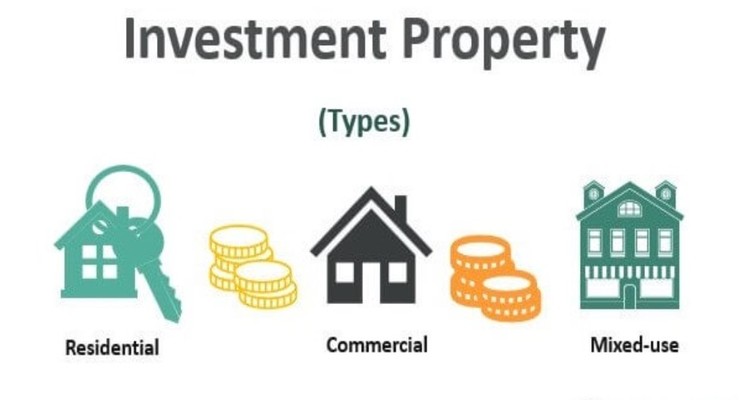
No matter what their location, not all properties are equally easy to sell. In Dubai, certain types of properties deftly show demand and liquidity.
Apartments in communities that have been established and well-maintained are in high demand as buyers seek stability and predictable costs for services.
Family-sized units (i.e. 2 and 3-bedroom apartments) attract more buyers too when they are near schools, parks and shopping centres.
Properties with a consistent rental history tend to be more liquid since buyers can see ongoing income potential.
Units that are in high rental demand with service charges that remain stable are especially attractive to investors, because they provide short-term rental income plus long-term security on resale.
Focusing on these types of properties will make sure that your investment is appealing to a large base of buyers.
Risks That Trap Investors During Exit

Even seasoned investors can encounter major challenges when selling a property if certain risks are ignored.
One trap often made is buying very unique or customised units. While a one-of-a-kind design may be appealing on its own, it often comes with a very limited appeal. When it comes time to sell, it can be difficult to find a buyer who will appreciate that uniqueness, which can slow down the sale process or force reduced prices.
Another big risk is service charge escalation being missed. Many investors are solely focused on the purchase price but do not take into consideration the maintenance or community fees that continue to grow over time. Escalating service charges can erode the net returns and make a property less attractive to potential buyers, especially in mid-market segments where buyers are more cost-conscious.
Overpaying during market hype-cycles is a third risk. In Dubai's real estate market, in some periods, the prices can rapidly increase due to any trend or temporary demand. Purchasing at peak prices can limit the ability to resell later if the market corrects itself, since the buyers may not be willing to pay above the current valuation.
Other risks include purchasing in areas that have uncertain delivery timelines or incompleteness of infrastructure, and disregarding regulatory compliance or documentation issues.
Smart investors reduce such risks by carefully considering market trends, service expenses, and the uniqueness of the property being purchased. Proper planning helps to ensure that the property can be sold efficiently without any unexpected losses or delays.
FP Property Insight: Our Exit-First Investment Screening

At FP Property, we focus on looking for investments that are designed for smooth exits. Our approach is a combination of data, market insight and practical checks. We have a liquidity scoring system to assess how easily you can resell the product, taking into account the size of the pool of buyers, speed of resale and market demand.
Comparable sales are analysed to validate valuations and ensure that buyers will find the price reasonable. Mortgage eligibility checks are conducted to ensure that the banks will finance the property, and there are no limitations that will restrict buyers. We also review ongoing costs such as service charges, which can help investors to avoid surprises that could hurt returns. This way, all investment recommendations focus on liquidity and long-term profitability.
Market Outlook: Liquidity in Dubai’s Next Phase
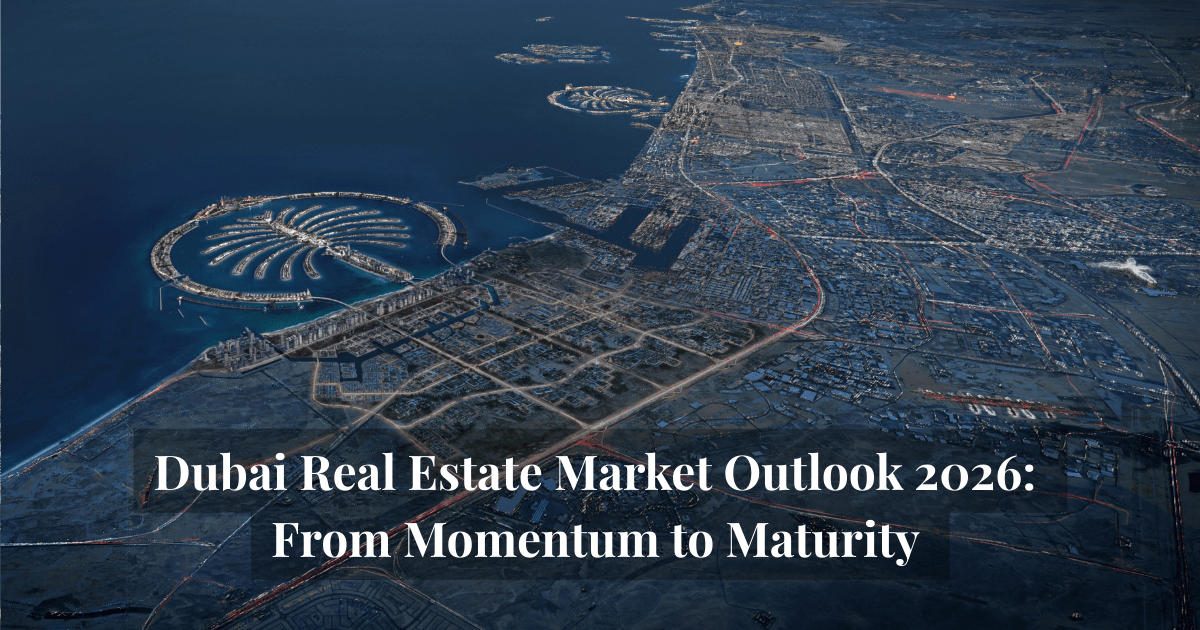
The Dubai real estate market has now matured a lot since the last decade, and buyers are becoming more selective. Today, the focus has moved on from speculative purchases to quality-driven investments. Well-managed communities, understandable service charge structures and predictable maintenance costs have become priorities for buyers. Properties that comply with these standards tend to sell more quickly and can more readily maintain their value, even during market fluctuations.
Future liquidity will be on the side of properties situated in established communities with transparent prices and constant demand. These mature developments with good amenities, good security and maintenance consistency are more resilient and attractive to investors and end-users alike. Units of areas with partial infrastructure or questionable management may experience longer holding periods and slower sales.
Additionally, the emergence of professional investors and mortgage-dependent buyers means that properties which meet the requirements of bank lending will have a broader buyer pool. Investors who prioritise investing in high-quality assets that are compliant with government policies over following trendy or hyped-up developments instead are more likely to experience smooth exits with improved long-term returns. Understanding these trends is important to assembling a portfolio that is profitable and liquid over the next few years.
Common Exit Planning Mistakes

Even experienced investors can make mistakes that will reduce the liquidity or delay sales. One of the most common mistakes is a lack of planning based on tenant timing. Selling a property in the middle of a lease period without account the tenant agreements can make it difficult for negotiations, reduce buyer interest or require legal adjustments. Planning of sales around lease expirations or ensuring that lease terms are buyer-friendly can avoid these issues.
Assuming that luxury properties necessarily sell quickly is another common mistake. While high-end units may enjoy prestige, the buyer's pool is smaller and more discriminating. Without sufficient marketing or realistic pricing, luxury properties may languish on the market for a long time.
The third common pitfall is failing to track comparable sales. Without knowing what is transacting in the same community or price band for recent transactions, investors have the potential to misprice their property, resulting in a prolonged listing or required discount. Other errors are not taking into account service charge trends, not checking mortgage eligibility, and underestimating market demand for certain unit types.
Learning from these errors is essential. Investors who proactively monitor the market, plan tenant arrangements, and track comparable sales will not only enhance resale prospects but also protect their profits and reduce holding risks.
Conclusion: Exit Strategy Turns a Purchase Into a Real Investment

A successful property investment goes beyond purchasing the right unit; it requires planning for the eventual sale. An exit-focused strategy ensures that investors can convert their property into cash efficiently and at the expected price. By prioritising liquidity, evaluating mortgage eligibility, and considering tenant conditions, investors turn a purchase into a true investment rather than a long-term liability.
FP Property helps investors identify exit-friendly properties, using data, market analysis, and practical checks to ensure smooth, profitable sales. In Dubai’s dynamic market, considering an exit strategy is not just smart, it is essential for securing real returns. Speak to FP Property now for exit-friendly investment selection.