
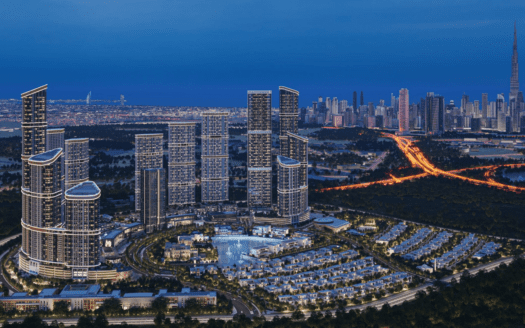
In Dubai, the growth of real estate does not occur by accident. It follows planning. Roads are constructed before peak demand is reached. Metro lines are announced years before prices take action. Entire cities are mapped out many years before people move in. This is why infrastructure is the true engine behind property growth in Dubai, not short-term hype or marketing noise.
Dubai has one of the most organised urban planning systems in the world. Two major plans pave the way to almost every major project today. The Dubai 2040 Urban Master Plan focuses on areas of sustainable communities, better connectivity, and balanced population growth. D33 Economic Agenda focused on doubling the size of Dubai's economy and making the city one of the world's leading business hubs.
Both plans make heavy use of infrastructure. Transport, utilities, airports, business zones, public spaces, and waterfront development are all part of one long-term vision. When infrastructure does move into an area, everything changes. Accessibility improves. Lifestyle improves. Demand follows. Prices respond.
Many investors make the mistake of going along with trends. They buy where everybody is talking today, not where the government is building for tomorrow. Smart investors in Dubai don't look at brochures; they look at infrastructure maps.
This guide examines in more detail how property prices and rental demand are affected by infrastructure. More importantly, it reveals which areas in Dubai benefit the most from the ongoing and future infrastructure projects. Each area is explained without speculation, but with actual logic, so you can make informed decisions whether you are an end user, a long-term investor, or a rental buyer.
How Infrastructure Directly Impacts Property Prices & Rental Demand in Dubai
Infrastructure has a number of impacts on real estate. It is not a mere matter of a new road or a metro station. It's about how people live, how they work, how they get around, and how they spend their time.
Transport Infrastructure:
Transport is usually the first trigger. When a metro line goes into a new area, travel time is reduced. Commuting becomes easier. Once, far-flung areas seem suddenly connected.
You can see this clearly in the past metro expansions. Communities that got metro access experienced rental demand first. Prices followed later. Tenants have a preference for sites with easy public transport. Once tenants move in, end users and investors follow.
Road improvements have a similar effect. Wider roads, new interchanges, and smoother access are used to reduce congestion. Areas near Sheikh Zayed Road, Al Khail Road, and Emirates Road tend to fare better than isolated communities.
Airports also play a role. Areas that are located near major airports are targeted for professionals, logistics companies, short-stay tenants, and hospitality demands.
Social Infrastructure
Social infrastructure, such as schools, hospitals, clinics, malls, and daily convenience services. Families make their home choices based on school and healthcare access. When a community becomes more international with international schools or medical centres, end-user demand is generated.
Retail infrastructure is also important. Malls, supermarkets, cafes, and community centres improve the daily life of the community. This keeps residents longer, decreases tenant turnover, and stabilises rental income.
Economic Infrastructure
Business hubs, free zones, and commercial districts provide jobs. Jobs create housing demand. Areas around business clusters are generally characterised by higher rental occupancy and lower vacancy.
Free zones serve as an attraction to international companies and skilled workers. These workers tend to like to live in closer proximity to work or to be within easy commuting distance.
Lifestyle Infrastructure
Beaches, marinas, parks, walking tracks, and public places enhance the quality of life. Lifestyle infrastructure helps to attract higher-income tenants and buyers. This often results in better pricing of the product and in better long-term appreciation.
Dubai invests a lot in public spaces. New waterfronts and new green areas aren't visually pleasing because they're merely aesthetic. They affect the desirability of properties directly.
In a nutshell, infrastructure alters behaviour. When people relocate and spend their time and work differently, property values adjust.
Major Ongoing & Upcoming Infrastructure Projects Shaping Dubai’s Real Estate Market
Before taking a look at specific areas, it is important to have an understanding of the major infrastructural projects that are shaping Dubai today. One of the biggest is the Dubai Metro Blue Line and future extensions. This project will link new residential areas to commercial areas, which will enhance the east-west connectivity and decrease reliance on cars.
The expansion of Al Maktoum International Airport is another game-changer. It is planned to be the largest Airport in the world. This will transform the whole southern corridor of Dubai.
The Dubai 2040 Urban Master Plan identifies new urban centres, green corridors, and mixed-use communities. Development will be focused around these planned hubs.
Road improvements are continuous throughout the city. Emirates Road, Al Khail Road, Hessa Street, and coastal routes are being expanded and redesigned to accommodate future growth in population.
Dubai is also investing heavily in waterfront and mixed-use master developments. These projects are a mix of residential, commercial, hospitality, and leisure in one ecosystem.
All these projects have a ripple effect in several communities. Some areas benefit earlier. Others benefit later but to a greater extent.
Dubai South: Infrastructure-Led Growth Around the World’s Largest Airport
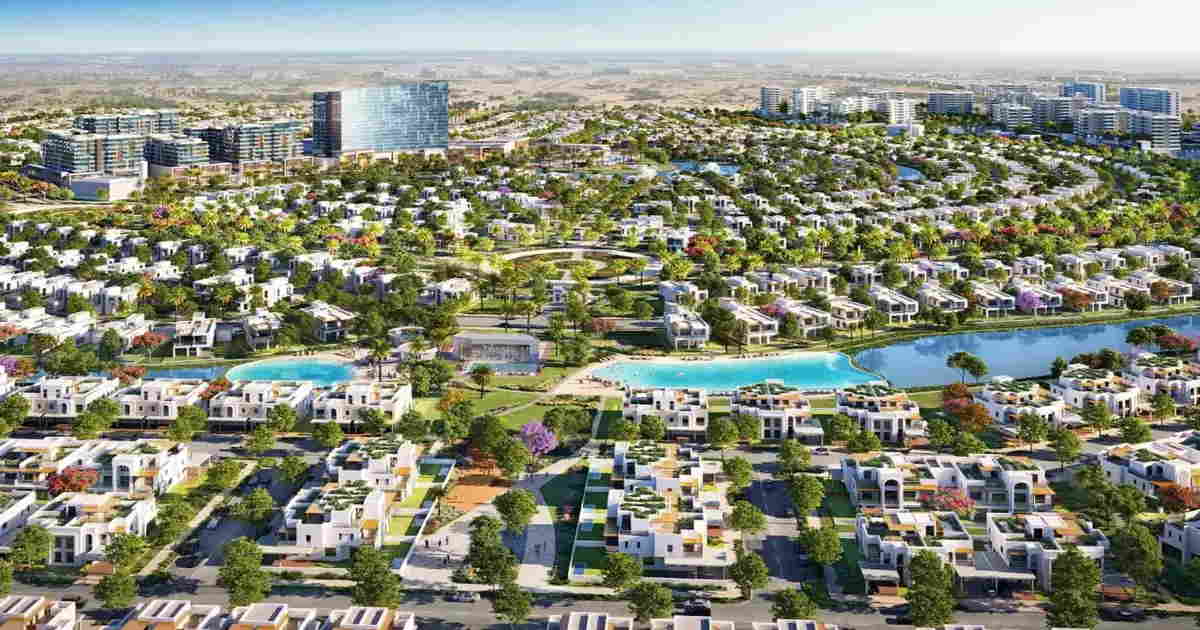
Dubai South is one of the best examples of infrastructure-led growth in the city. The core of Dubai South is the Al Maktoum International Airport. The expansion plan is huge. Once completed, far more passenger volumes than today will be handled. This alone produces long-term demand for housing, offices, logistics, and hospitality.
Expo City Dubai adds one more layer. What began as a global event site is now being converted into a smart city, which is focused on innovation, sustainability, and business activity.
Offices, residential areas, and cultural areas are being created with long-term use in mind.
Dubai South is also being made into a logistics and aviation hub. Warehousing, cargo, and aviation services are clustered here. This results in a stable employment base, not seasonal demand.
One of the major benefits of Dubai South is pricing. Compared to established areas, prices are at an early stage. This opens up the opportunity for investors to move in before the full maturity of infrastructure.
Rental demand is likely to increase slowly due to expansion in airport operations and the influx of businesses. This is not a quick flip area. It is suitable for investors who are aware of long-term cycles.
Dubai South is not driven by the residential hype. It is powered by the economic infrastructure.
That makes it one of the most strategic moves in the long term in Dubai.
Jumeirah Village Circle (JVC): From Budget Community to Infrastructure-Fueled Hub
Jumeirah Village Circle, commonly known as JVC, has undergone a drastic change over the years.
At first, JVC was known as a rental area that was friendly for all kinds of people. Road access was limited. Amenities were scattered. It got tenants primarily through price.
Road network improvements linked JVC better to Al Khail Road and Hessa Street. Travel time to the major business districts improved. This alone increased demand.
Retail infrastructure came next. Community malls, supermarkets, cafes, and fitness centres were opened throughout the area. Schools and clinics were added. Life within JVC became easier.
This shift shifted the tenant profile. End users began purchasing homes. Families moved in. Rental demand was more stable.
Resale liquidity also improved. Properties in well-located clusters are now selling faster than previously.
JVC indicates the way that maturing infrastructure can change the face of an existing community for the better. It is no longer a budget choice only. It is a mid-market center and has stable demand.
Dubai Creek Harbour & Ras Al Khor Corridor: Infrastructure Meets Waterfront Urban Planning
Dubai Creek Harbour is a different story of infrastructure. This area is blessed with a strategic location. It is located between Downtown Dubai and Dubai International Airport. Road improvements have been made for accessibility from various directions.
The development of the Ras Al Khor corridor is being pursued as one such future urban extension of the city. It is very much in line with the Dubai 2040 Urban Master Plan.
The difference in this area is the master planning. The development is designed around open spaces, waterfront living, and mixed-use zones. Infrastructure is not added afterwards. It is built in from the start.
This results in long-term value compared to short-term spikes. Capital appreciation here tends to be gradual but strong in the long run.
Short-term rental yields are not necessarily the highest to start with. However, long-term buyers benefit from scarcity, location, and government-backed planning.
Dubai Creek Harbour is suitable for buyers who are focused on future-proof locations and not immediate returns.
Business Bay & Downtown Fringe: Infrastructure Density and Premium Demand
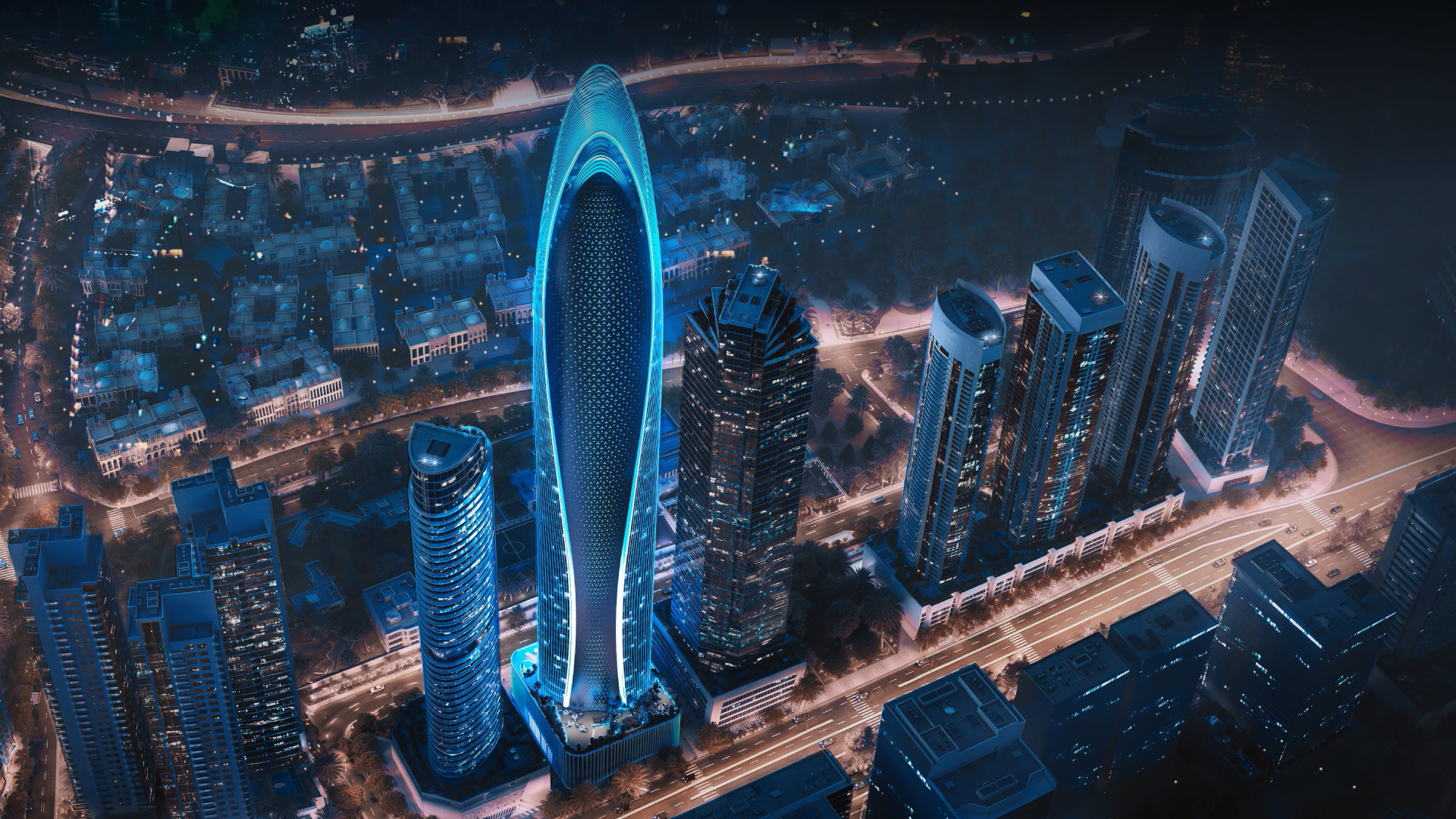
Business Bay and the rest of the Downtown fringe boulevards are already mature. Some assume that growth is limited here. Infrastructure is the proof of the contrary.
The Dubai Water Canal changed the appearance of Business Bay as well as its lifestyle. Waterfront views, walking paths, and leisure spaces enhanced the desirability of the property.
Pedestrian infrastructure made walking more pleasurable. This is more important than many know. Walkable areas attract professional people and short-stay tenants.
The connectivity of public transport is a major strength. Metro access, road networks, and proximity to major business hubs keep the demand strong.
Even though infrastructure is saturated, upgrades and enhancements do not cease. This keeps the pricing at a premium level.
In mature areas, infrastructure does not result in explosive growth. It is value-preserving and has slow appreciation.
Business Bay demonstrates that even if the land is already fully developed, it can continue to benefit from infrastructure density.
Dubai Islands & Deira Waterfront: Infrastructure Reviving Old Dubai
Old Dubai is in the middle of a second wave of transformation. Dubai Islands and the Deira Waterfront are a part of a large-scale regeneration plan. New bridges and road connectivity are enhancing connectivity to mainland Dubai.
Waterfront infrastructure is being rebuilt. Beaches, promenades, hotels, and mixed-use development are changing the face of the area.
Tourism infrastructure plays a big role here. New attractions and hospitality projects are planned to rebrand Deira as a leisure destination rather than a trading centre.
Prices in these areas are still fairly affordable when compared to newer waterfront areas. This creates opportunity.
This is not speculative flipping. It is infrastructure-led repositioning. As there is an improvement in connectivity and lifestyle, there is an increase in demand.
Dubai Islands and Deira Waterfront are suitable for investors who want to enter early into a government-backed transformation zone.
Al Furjan & Discovery Gardens: Metro Expansion Effect on Mid-Market Communities
Al Furjan and Discovery Gardens indicate the effects of metro access on mid-market housing.
The extension of metro stations to this corridor changed all this. Areas that were once reliant on cars became public transport-friendly.
The demand for rental increased while commuting became easier. Tenants working in Jebel Ali, Marina, and Business Bay began to prefer these places.
Prices responded gradually. This is important. Infrastructure impact is often delayed. In fact, investors who got in early benefited the most.
Both areas are investor-friendly price points compared to nearby premium communities.
These locations are suitable for end users seeking connectivity without having to pay high prices, and investors seeking stable rental revenue.
Infrastructure vs Speculation: How to Identify Real Growth Areas in Dubai
Not all announced projects are value creations. Smart investors distinguish infrastructure from speculation.
Government-backed projects have a higher certainty. They are aligned with long-term plans and have funding support.
Private announcements with no clear time frames should be treated with caution. Delays are common.
Timeline-based growth is important. Infrastructure tends to take years to affect prices. Short-term hype often fades.
Red flags are unrealistic price jumps, vague dates of completion, and being overly reliant on marketing language. Real growth is growth that is done, or in the process of being done: not promises for the future.
Data Insights: Historical Examples of Infrastructure-Driven Price Growth in Dubai
Dubai provides good historical examples. When the metro first started, areas along the Red Line experienced slow rental increases. Prices were followed over a number of years.
Dubai Marina was developed in tandem with transport, retail, and lifestyle infrastructure. The early investors benefited the most.
Business Bay had a slow maturity. Infrastructure completion unleashed its potential.
One key lesson is timing. Infrastructure impact is not immediate. It works steadily. Investors who comprehend this cycle win in the game compared to those who are always seeking quick returns.
Who Benefits Most From Infrastructure-Led Locations?
Different buyers get benefits in various ways. End users enjoy lifestyle benefits of convenience, reduced commute, and long-term value security. Long-term investors take advantage of capital gains from the maturity of infrastructure. Short-term rental investors benefit from areas close to transport centres, business districts, and lifestyle areas. There is also the benefit of economic infrastructure for commercial buyers that includes consistency in footfall and business activity. Understanding your profile helps you to choose the right location.

Expert Perspective: What Dubai Property Advisors See on Ground Level
Ground data shows a clear pattern. Buyers increasingly ask about metro access, road connectivity, and future infrastructure plans. Developers are shifting focus to infrastructure-aligned projects rather than isolated towers. Demand is coming from both local and international buyers, especially those seeking stable long-term assets. Infrastructure is no longer a bonus. It is a requirement.
How to Choose the Right Property in Infrastructure Growth Areas
Use a simple checklist.
- Check distance to transport nodes. Walking distance adds value.
- Confirm project handover timelines. Delays affect returns.
- Research developer track record. Delivery history matters.
- Assess exit liquidity. Can you resell easily?
- Study rental demand indicators. Occupancy tells the real story.
This approach reduces risk.
Final Thoughts: Infrastructure Is Dubai’s Safest Long-Term Growth Engine
Dubai’s success is built on long-term planning rather than short-term reactions. Infrastructure in the city is designed to stay ahead of demand, not chase it after growth has already happened. This proactive approach gives investors clarity and confidence, as government-backed development follows clear timelines and consistent execution. Because of this, infrastructure-led investments tend to perform better across market cycles.
Even when the market slows or shifts, infrastructure continues to add real value by improving connectivity, livability, and demand. Investors who understand this pattern and align their decisions with infrastructure growth are better positioned to protect their capital and achieve steady, sustainable returns over time.
Call to Action
Explore Dubai properties located in high-growth infrastructure zones.
Speak with a Dubai property expert to identify infrastructure-backed investment opportunities that match your goals