
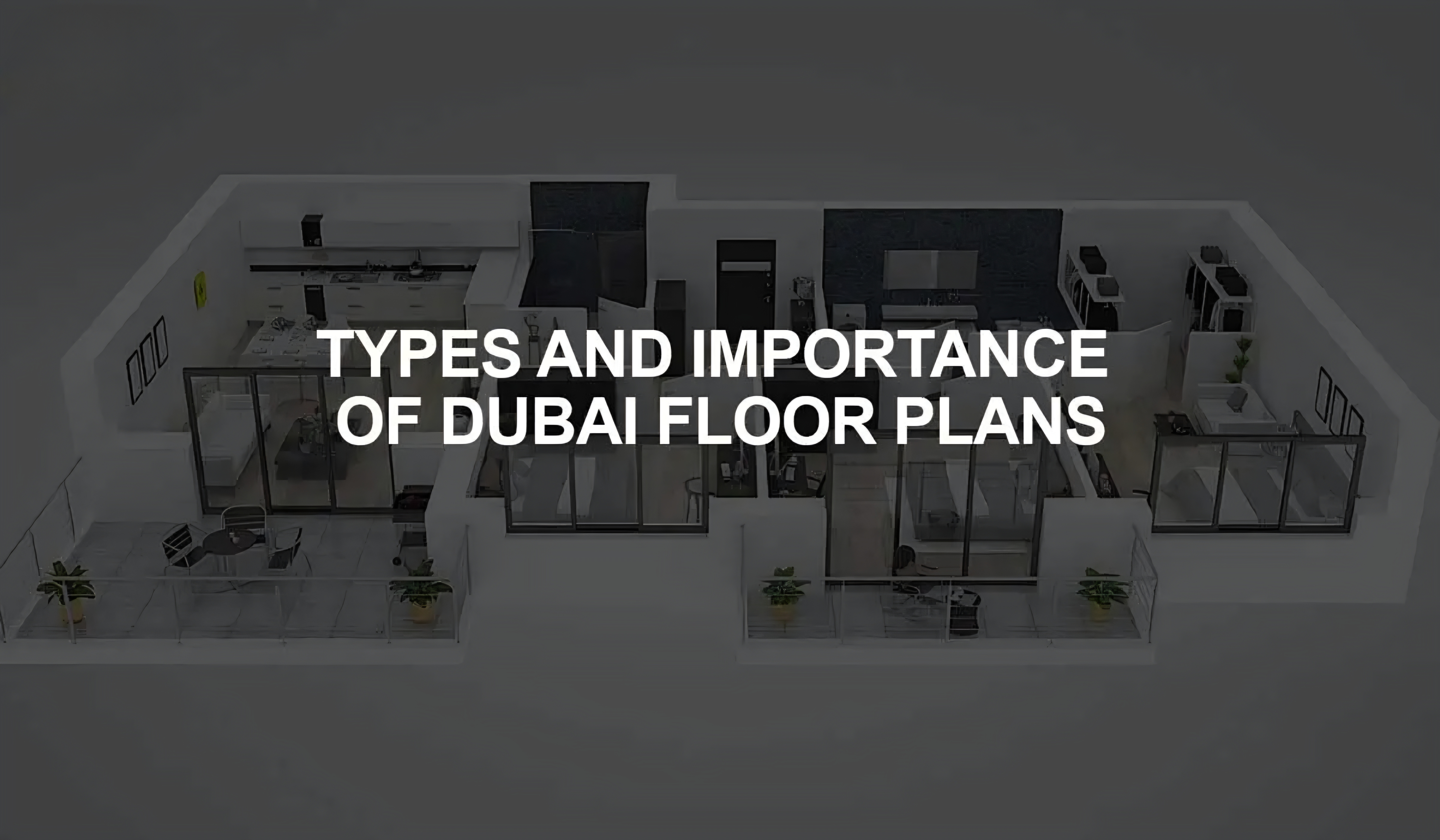
Many homebuyers in Dubai are focused on one number. That number is the aggregate square footage. Bigger often sounds better. A larger apartment or villa is a smart buy on paper. But in real life, two homes may have the same size, and they can be completely different once you step inside them. This is where many buyers regret it later.
A home may appear large on the brochure but be too small for real life. Another home that is the same size can feel open, comfortable, and easy to live in. The difference is not the entire area. The difference is in the floor plan.
In Dubai, this problem is very common. Buyers often find out after moving in that their home has long corridors, awkward corners or rooms in which basic furniture cannot be placed well. These homes are impressive at the handover but frustrating in the long run. Owners then struggle with comfort, rental demand and resale value.
At FP Property, we see this pattern all the time. Homes with good layouts rent faster and sell faster compared to homes with poor layouts (even if the second option is larger or has better finishes). Layout quality is often more important than marble flooring, branded kitchens or fancy lighting.
This blog explains why the efficiency of the floor plan is more important than the total size. It will help the end users and investors to understand how smart space planning helps to protect the lifestyle comfort and long-term value in Dubai's property market.
What Floor Plan Efficiency Means (Clear Buyer Context)

Before making a judgment based on a layout, buyers need to know what floor plan efficiency is all about. Many people assume that it just means small or small homes. That is not correct.
Floor plan efficiency refers to how much of the total area is usable and practical for living.
Usable Space Vs Circulation Space
Usable space includes areas where you actually live. This includes bedrooms, living rooms, dining areas, kitchens, storage, as well as usable balconies.
Circulation space is composed of corridors, hallways, awkward corners, oversized entrances, and spaces that are there to connect rooms.
In layouts that are inefficient, too much is lost to circulation. You pay for square footage that does not enhance your lifestyle. In extreme cases, buyers pay for 15 to 25 percent of space that cannot be used for anything meaningful.
Furniture Placement Practicality
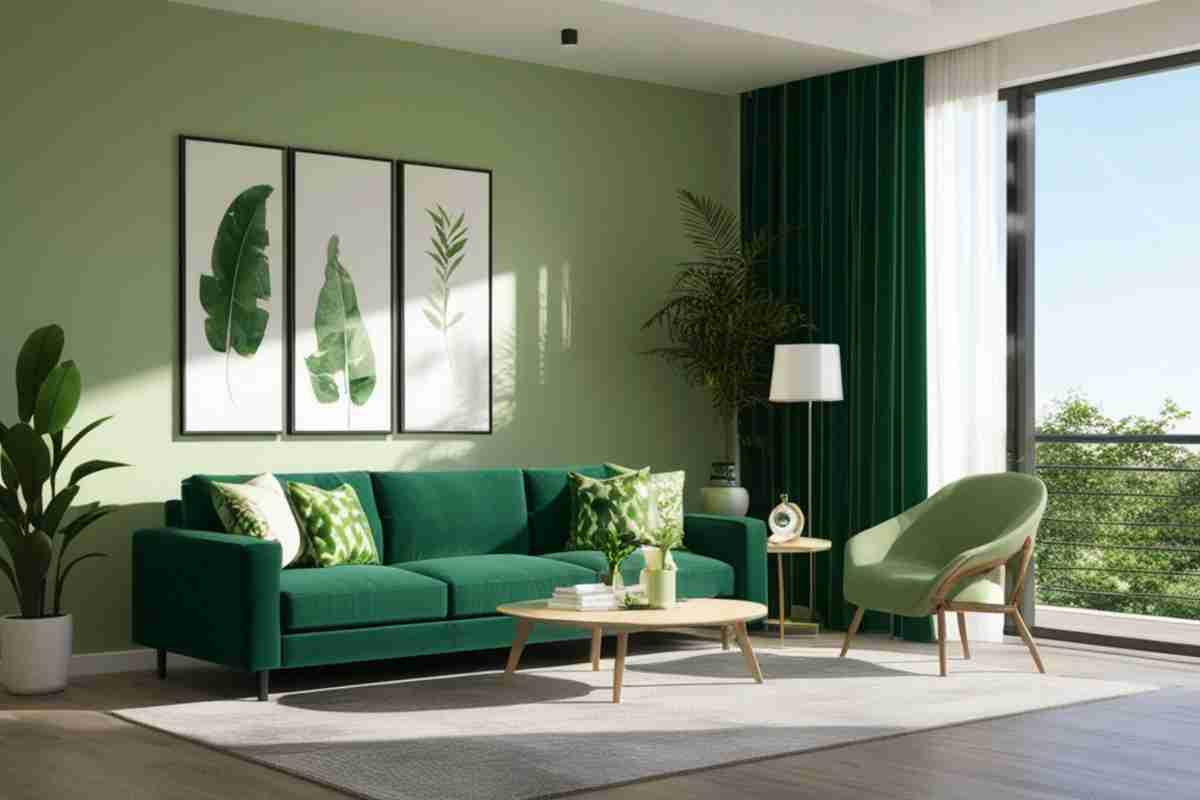
A good layout is one in which the standard furniture will fit naturally. A sofa should conform to a proper wall. A bed should be roomy to walk on both sides. A dining table should not be an obstruction to movement.
Many Apartments in Dubai have a great appearance but fail this test. Walls are too short, corners are at an angle, or windows interfere with the placement of furniture. This leads to frustration every day, and how the space can be utilised.
Storage, Corridor Waste & Odd Shapes
Storage is usually overlooked during viewings. Efficient layouts have built-in wardrobes, utility areas and storage closets without losing living space.
Inefficient layouts conceal wastage of space in long corridors or bizarre shapes of rooms. These areas have an interesting appearance on drawings, but are useless in real life.
The Most Common Layout Problems in Dubai Homes
Dubai has many world-class developments, but it also has mistakes in layouts that are repeated, which buyers should be aware of before making a purchase.
Corridors and Dead Space that are Oversized
One of the most common is oversized corridors. Some apartments have entrance hallways that are wider than bedrooms. Others are long passageways that have no added amount of functionality.
Buyers are paying for this space, but it does not enhance living comfort, rental appeal or resale demand. This paid area is beautiful in floor plans, but it is a waste of money once you live in it.
Dead space also includes corners in which no furniture fits and areas that are there only because of poor planning.
Poor Bedroom and Living Separation
Another problem that is also common is poor separation between bedrooms and living areas. In certain layouts, bedrooms open right into the living room or kitchen.
This causes noise problems, privacy issues and discomfort to families or shared living arrangements. Tenants and buyers tend to favour layouts in which bedrooms are private and quiet.
In Dubai, where many inhabitants work long hours or from home, this separation is more important than ever.
Non-Functional Kitchens
Many kitchens in Dubai are modern-looking but not functional. Some are too narrow. Others lack counter space. Some have poor ventilation, and the cooking smells spread through the apartment.
Awkward flow of the kitchen makes daily tasks stressful. This affects the satisfaction of lifestyle and rental demand, particularly for families and long-term tenants.
Why Layout Efficiency Impacts Lifestyle Satisfaction
A home is not only an investment. It is a place where everyday life occurs. Layout efficiency has a lot to do with how comfortable and enjoyable life is.
Daily Movement and Comfort
Good layouts provide for easy movement from room to room. There is no bumping into furniture. You do not feel stuck or constrained.
Poor layouts generate friction. You are constantly moving your furniture. You walk around obstacles. Over time, this leads to frustration even in large homes.
Hosting and Family Living
Good layouts facilitate social living. Guests can sit comfortably. Dining areas operate well. Families can spend time together without being crowded.
Inefficient layouts make it challenging to host. Living spaces seem small, even with a large apartment.
Work From Home Practicality
With an increasing number of people working from home in Dubai, layout has become more important than ever before. Efficient homes - room for desks, quiet corners or multi-use rooms.
Poor layouts with people working from bedrooms or dining tables, with decreased comfort and productivity.
Why Layout Efficiency Impacts Rental Performance

For property investors in Dubai, rental income is one of the key objectives. While location and building amenities are important, layout efficiency is much more important to rental performance than many owners are aware of.
Tenants do not study floor plans in detail. They are the ones who judge how a home feels of a home when they view it. A well-planned apartment has an instant pop of comfort, even if it is not the most spacious, say, apartment in a building. Tenants can easily picture their furniture fitting, their lifestyle flowing, and their daily routine being balanced.
Practical Layouts Rent Faster
Efficient Layouts Rents faster since they work for more people. A well-designed one-bedroom or two-bedroom apartment can be suitable for singles, couples, small families and even professional sharers. There is less hesitation during viewings as the space makes sense.
In comparison, large but awkward apartments often receive feedback such as the space is weird or the rooms are disconnected. Even if the rent is competitive, the tenants will postpone their decision or may choose some other unit that feels easier for them to live in.
Reduced Vacancy and Stable Revenue
When a property rents faster, vacancy periods will be shorter. This directly increases annual rental returns. Efficient layouts also help curb turnover of tenants, as people are more satisfied living in the space.
In Dubai, where there is high competition in rentals, houses with an applicable layout find steady demand even during slower periods in the market. Inefficient layouts become the first victims when tenants become selective.
Why Layout Efficiency Impacts Resale Liquidity
Resale liquidity refers to the ease of selling a property at market value, without much negotiating or long waiting periods. Layout efficiency has a great impact on this.
Broader Buyer Appeal
Most buyers in Dubai want homes they feel familiar with and comfortable in. Efficient layouts conform to what buyers of homes expect. Rooms are well-sized, movement is natural, and space is usable.
Unusual layouts cut down the buyer pool. Some buyers walk away immediately upon seeing long corridors, strange angles or rooms that could not accommodate standard furniture. This lessens the competition and requires sellers to bring down prices.
Valuation and Mortgage Impact
Banks and valuers are more interested in properties in Dubai that are easy to resell. Efficient layouts also fit more market norms, which makes valuing them more straightforward.
If a layout is viewed as being awkward or niche, the valuation can come in at lower than the asking price. This influences mortgage eligibility and also restricts the number of buyers who can go forward. As a result of this, resale becomes slower and more difficult.
How Buyers Can Evaluate a Layout During Viewings

Many buyers use brochures and floor plans too much. The best way to judge a layout is via an actual viewing, through the use of practical checks.
Check the Fit of Furniture Realistically
Stand in the living room and imagine a real sofa, not a small display sofa. Check out whether there is a proper wall for a television. In bedrooms, make sure there is room for a bed, tables on the sides, and room to walk. In the areas used for eating, make sure a table can fit without impeding movement.
Assess Storage Properly
Look beyond wardrobes in bedrooms. Ask where cleaning supplies, luggage, and household items will be going. Efficient layouts with storage without living comfort.
Evaluate Balcony Usability
A balcony should be wide enough to sit and have a good time. Narrow balconies that accommodate only one chair have little lifestyle benefits and will seldom attract tenants.
Observe Light and Airflow
Natural light should be allowed into the main living areas. Windows should be placed to maximise brightness and not get in the way of furniture placement. Good airflow can also help you to be more comfortable and save energy.
“Good Layout” Features Buyers Should Priorities
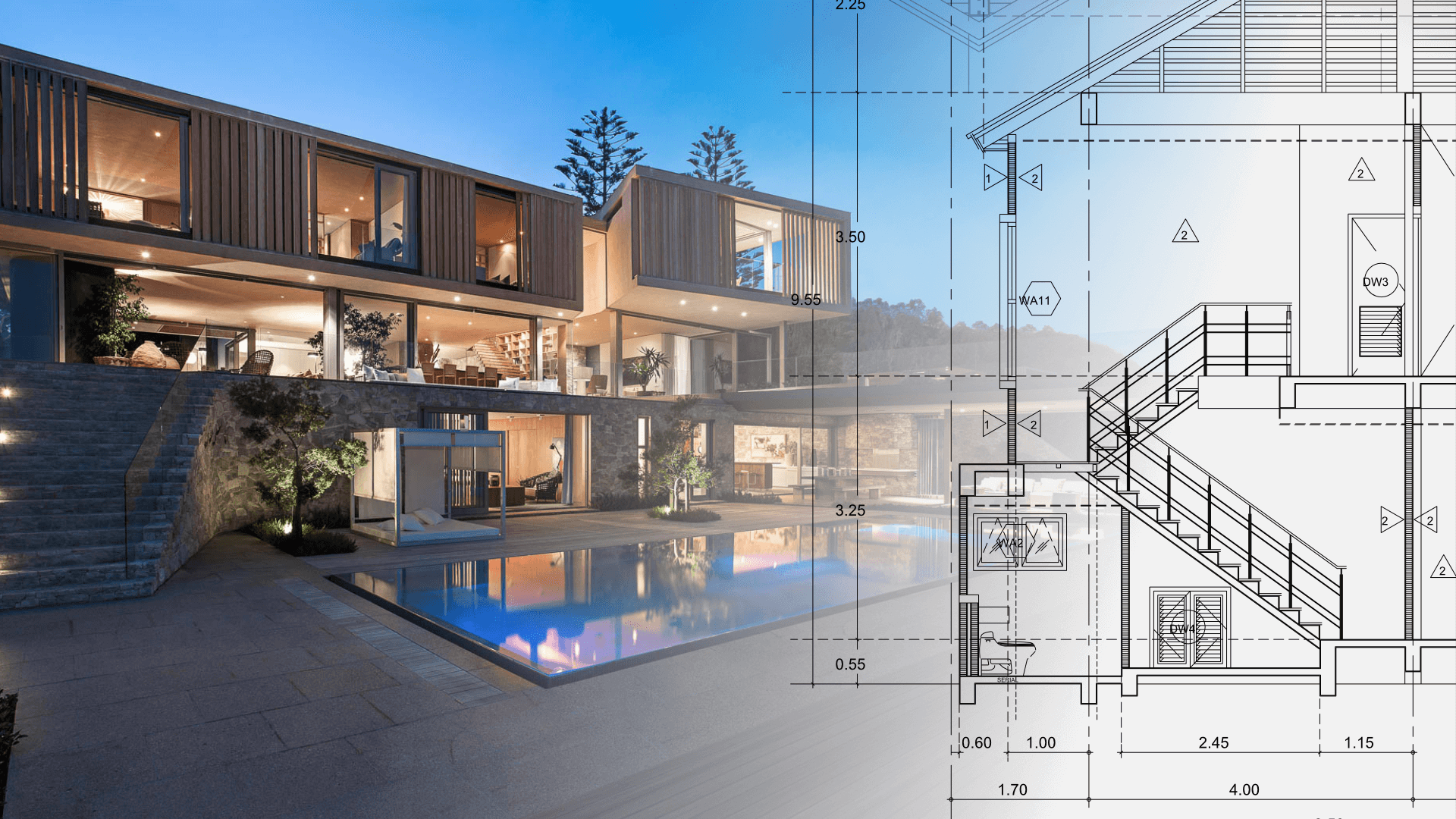
Certain features of the layout are always going to boost comfort, rental potential and resale value in Dubai homes.
A Functional Entry Area
The good entry provides a separation between the door and the living space. This allows for some privacy and provides room for shoes, storage or a small console.
Proper Room Proportions
Rooms should feel balanced. Bedrooms should not be long and narrow. Living rooms should not look chopped up into awkward sections. Proportion is more important than size.
Storage and Utility Areas
Dedicated laundry areas, stores or cupboards for utility use enhance daily life. These features are very desirable to families and long-term tenants.
FP Property Insight: Layout Red Flags We Reject Early
At FP Property, layout analysis is one of the first few steps that we follow before recommending any property to a buyer or investor. Over the years, we have audited hundreds of units throughout Dubai, and there are some problems with layouts we see repeatedly. These are often small problems on viewings but big problems later on.
Flow Problems That Cannot be Corrected
Some layouts make you feel uncomfortable the instant you enter them. Doors open directly into the kitchen or dining areas. Bedrooms are put next to living rooms with no proper separation. Hallways twist uselessly and interrupt the natural flow of the home.
These flow problems are typically structural. Walls cannot be moved easily, and changes have to be approved, which in many cases cannot be done in apartment buildings. Even with renovation, the basic discomfort remains. This is why we refuse such layouts at an early stage, regardless of size or finishing quality.
Layouts That Have Low Resale Value
Some layouts only work for very concrete lifestyles. Examples include units with living rooms that are too small to accommodate the family, bedrooms that hold only one bed, or units with no storage at all.
While these layouts may work for a short-term tenant, they struggle in resale markets. When it is time to sell, few are interested in buying, and it is difficult to negotiate the prices. We do not recommend layouts that make it less flexible in the future.
Design Quirks Advertised as High-End
In Dubai, certain developers are selling out-of-the-ordinary designs for luxury. This includes weird-shaped rooms, split levels, curved walls or decorative columns within living areas.
In practice, these features restrict the placement of furniture and lower the usability. Most buyers like simple, clean and functional spaces. At FP Property, we are more inclined to treat these quirks as risks than benefits, and advise clients as such.
Market Outlook: Why Smart Space Is Becoming the New Luxury
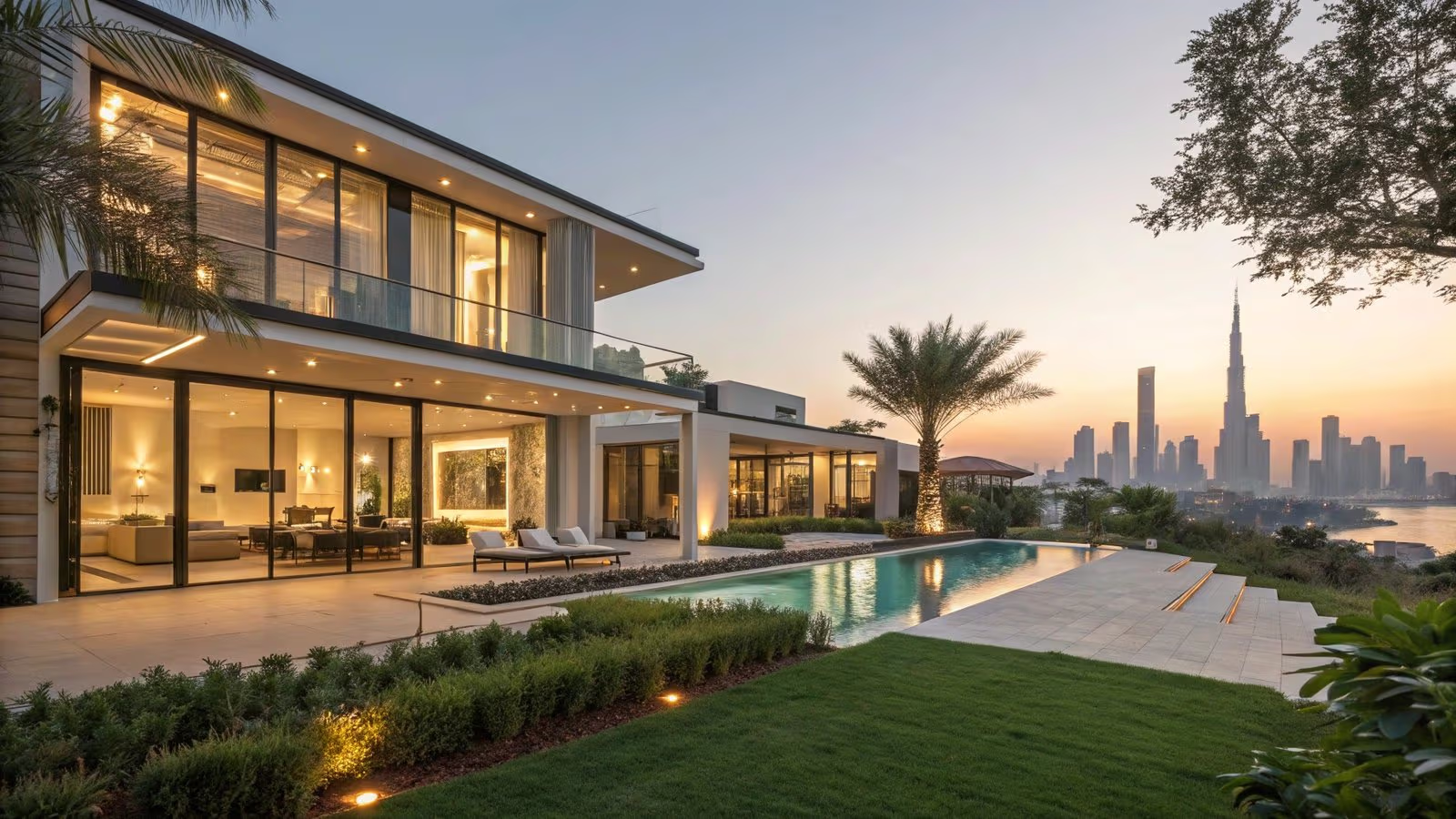
The definition of luxury in Dubai real estate is changing. In the past, luxury meant size, height, or branded finishes. Today, buyers are becoming more practical and value-driven.
Cost Awareness Is Changing Buyer Priorities
Service charges, utilities, mortgage rates, and daily living costs are rising. Buyers are now more aware of how much they pay for space they do not use.
As a result, efficient layouts that reduce wasted area are becoming more attractive. Buyers prefer homes where every square foot serves a purpose, even if the total size is smaller.
Work From Home Has Reshaped Space Needs
Remote and hybrid work have changed how homes are used. Buyers now want layouts that allow quiet working areas, flexible rooms, and better separation between work and living spaces.
Efficient layouts support these needs naturally. Poor layouts struggle to adapt, even when the apartment is large.
Lifestyle Driven Buying Is Stronger Than Ever
Dubai buyers are focusing more on daily comfort than on visual impact. Natural light, storage, privacy, and flow are now seen as premium features.
Smart space planning delivers all of these benefits without increasing size. This is why efficient layouts are becoming the new definition of quality and luxury in the market.
Common Buyer Mistakes When Judging Floor Plans

Even experienced buyers make mistakes when evaluating layouts. These mistakes often lead to regret after moving in or during resale.
Being Impressed by Size Alone
Large numbers on a brochure create excitement. Buyers assume that more square footage automatically means better living. Unfortunately, this is not always true.
Homes with poor layouts can feel smaller than efficiently planned units with less total area. Buyers who focus only on size often discover this too late.
Overlooking Real Life Furniture and Movement
Empty apartments hide problems. Without furniture, rooms feel open and flexible. Once beds, sofas, and tables are added, movement becomes restricted in inefficient layouts.
Buyers should always imagine real-life use, not showroom presentation.
Believing Renovation Will Solve Structural Issues
Many buyers assume that layout problems can be fixed later. While finishes can be changed, walls, windows, and structural elements are difficult or impossible to move.
Renovation costs also add up quickly and may not increase resale value if the layout remains flawed. This is one of the most expensive mistakes buyers make.
Conclusion: Efficient Homes Hold Value Better
Floor plan efficiency is not a design detail. It is a long-term value driver in Dubai’s real estate market. Homes with efficient layouts deliver better comfort, stronger rental performance, and easier resale. They attract more tenants, more buyers, and more financing options. Over time, they protect both lifestyle satisfaction and financial returns.
As the market becomes more competitive and buyers become more informed, inefficient layouts will face growing resistance. Size alone will no longer justify price. Before making any purchase decision, focus on how the space works in daily life, not just how large it appears on paper. Consult FP Property to shortlist homes with layouts that remain practical, desirable, and liquid for years to come.