
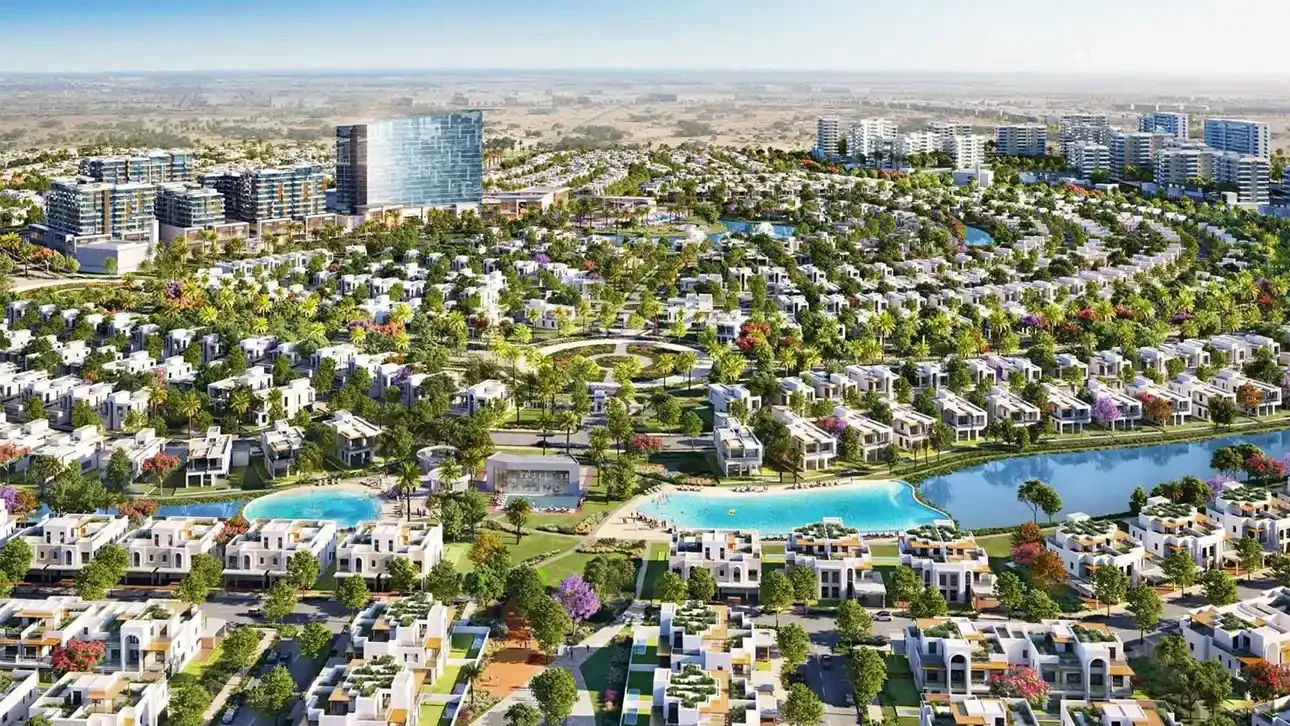
Why Capital Preservation Matters More Than ROI for Some Investors
Not every property investor is focused on quick returns. Many buyers in Dubai prioritise one core objective—protecting their wealth over the long term. Capital preservation refers to maintaining the value of your investment, keeping it stable and protected from market volatility.
This approach is common among family offices, high-net-worth individuals, retirees and buyers planning for future generations. For them, steady value matters more than short-term rental spikes or quick resale profits. They prefer assets that hold their value across different market cycles.
Dubai has evolved into a global real estate hub. Strong regulation, long-term residency options and world-class infrastructure continue to attract low-risk investors in 2026. However, not all properties offer the same level of security. Understanding how to assess capital preservation in Dubai real estate helps investors avoid costly mistakes and choose assets that remain resilient over time.
Factors That Ensure Asset Stability
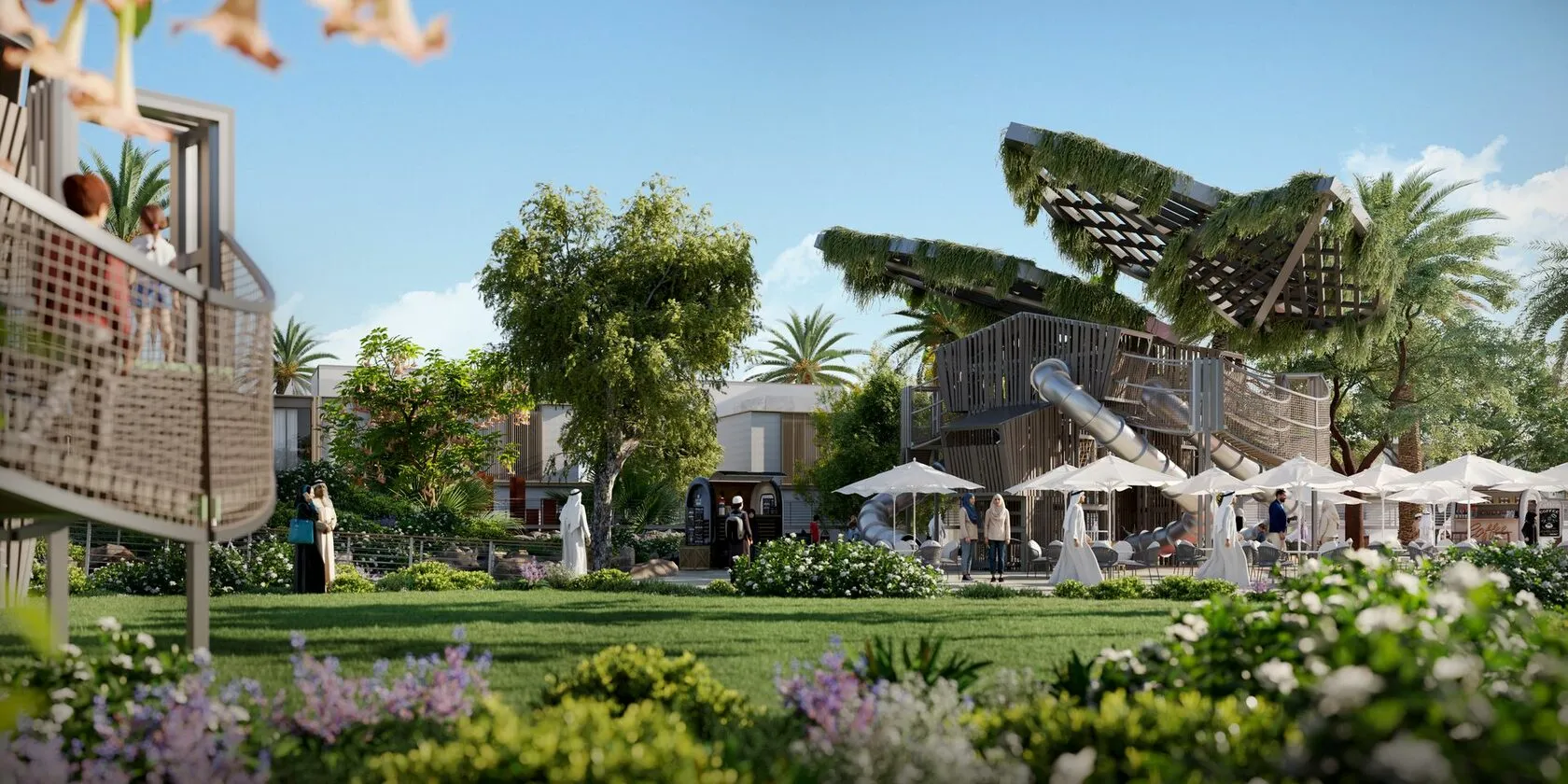
Capital preservation focuses on minimising downside risk rather than maximising returns. In real estate, this means selecting properties that remain desirable even during slower market conditions.
A capital-preserving asset typically has consistent demand, strong maintenance standards and a solid reputation. While it may not always deliver the highest rental yields, it offers long-term stability and protects your equity.
In Dubai, this strategy requires a long-term perspective. Short-term speculation and off-plan flipping can increase risk, while stable, well-located assets reward patient investors.
Location Maturity
Mature communities are one of the strongest indicators of long-term stability. These areas are fully developed, with established infrastructure including roads, schools, healthcare facilities and retail.
Examples include Downtown Dubai, Dubai Marina, Jumeirah, Palm Jumeirah, Emirates Hills and parts of Dubai Hills Estate. These locations have moved beyond the development phase into well-established lifestyle destinations.
Demand in mature communities is driven by end users rather than speculation. This reduces price volatility and helps properties maintain value even during market downturns.
Strength and Track Record of Developer

The developer behind a project plays a critical role in long-term value preservation. Established developers typically maintain higher construction standards, enforce community regulations and invest in ongoing maintenance.
In Dubai, reputable developers consistently deliver quality design, smoother handover processes and reliable facilities management. Their projects tend to age better and attract higher-quality tenants and buyers.
Strong developer branding also supports resale value. Buyers are more confident purchasing properties from recognised names, improving liquidity when it’s time to exit.
Rental Resilience
Rental demand is a key but often overlooked factor in capital preservation. Even if rental income is not your primary goal, strong rental demand supports overall property value.
Properties located near business districts, transport links, waterfronts and lifestyle hubs tend to attract a diverse tenant base. This ensures consistent occupancy and reduces risk.
Stable rental performance often leads to stable property prices. In contrast, areas with frequent vacancies or limited tenant demand are more vulnerable to price declines.
Property Types with the Best Long-Term Stability

Waterfront Properties
Waterfront real estate benefits from limited supply. New coastlines cannot easily be created, which supports long-term value through scarcity.
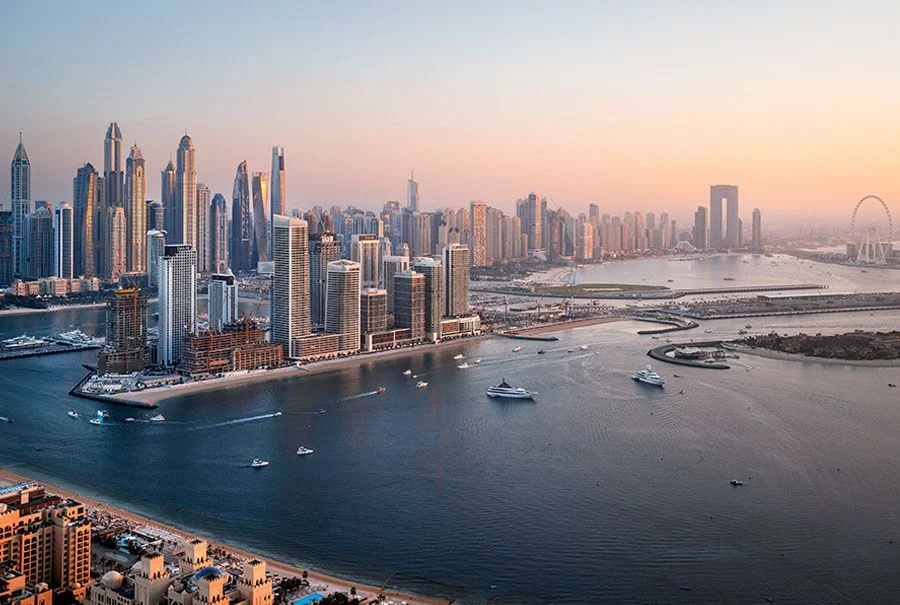
In Dubai, waterfront areas such as Palm Jumeirah, Dubai Marina, Dubai Creek Harbour and umeirah Beach Residence continue to attract global demand in 2026.
These properties appeal to both end users and investors. Their lifestyle appeal remains strong regardless of market cycles, making them highly resilient assets.
Golf-Side Communities
Properties overlooking golf courses offer open views, greenery and low-density surroundings—factors that support long-term value.
Communities such as Emirates Hills, Jumeirah Golf Estates and parts of Dubai Hills Estate attract high-income residents and long-term homeowners.
Controlled development in these areas protects views and reduces the risk of oversupply, further strengthening price stability.
Central Master-Planned Districts
Large, integrated communities designed as self-sufficient ecosystems tend to perform well over time. These areas combine residential, commercial, retail and leisure spaces.
Examples include Downtown Dubai, Dubai Hills Estate, City Walk and Mohammed Bin Rashid City.
These districts attract long-term residents rather than short-term tenants, helping stabilise demand and support consistent value growth.
Risk Factors That Reduce Capital Preservation
Oversupply Risk
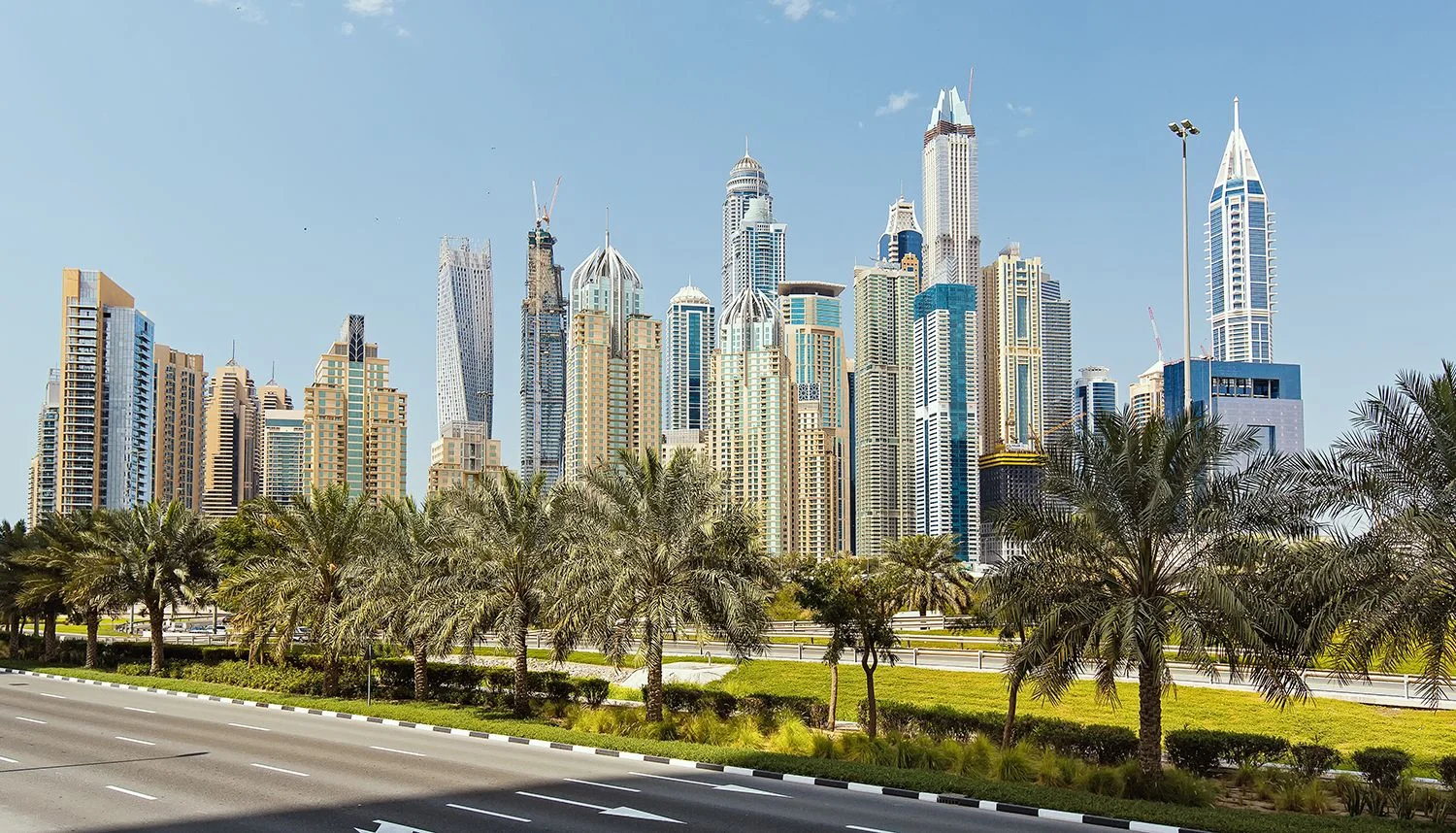
Oversupply remains one of the biggest threats to property value. Areas with excessive new launches may struggle to absorb inventory.
When supply outpaces demand, rental rates decline, resale periods increase and prices stagnate or fall. Researching upcoming developments and supply pipelines is essential before investing.
Poor Building Quality
Low construction quality can lead to long-term issues such as structural defects, leaks and high maintenance costs. These problems reduce buyer confidence and negatively impact resale value.
Well-maintained older buildings often outperform newer developments with poor construction standards. Always assess build quality and developer reputation carefully.
Economic Sensitivity
Some areas rely heavily on specific tenant groups or industries, such as tourism or short-term rentals. These locations may be more vulnerable during economic downturns.
Communities with a diverse mix of residents—including families, professionals and long-term tenants—tend to remain more stable across market cycles.
Conclusion
Capital preservation in Dubai real estate is achievable with the right strategy. It requires patience, thorough research and a focus on fundamentals rather than market hype.
Mature locations, reputable developers, strong rental demand and timeless property types form the foundation of stable investments. Avoiding oversupplied areas, poor construction and speculative trends is equally important.
If your goal is to protect wealth and pass it on to future generations, focusing on long-term property investment strategies in Dubai will help you build a resilient portfolio.
Request a capital preservation investment strategy consultation to receive expert guidance tailored to your risk profile and long-term objectives.