
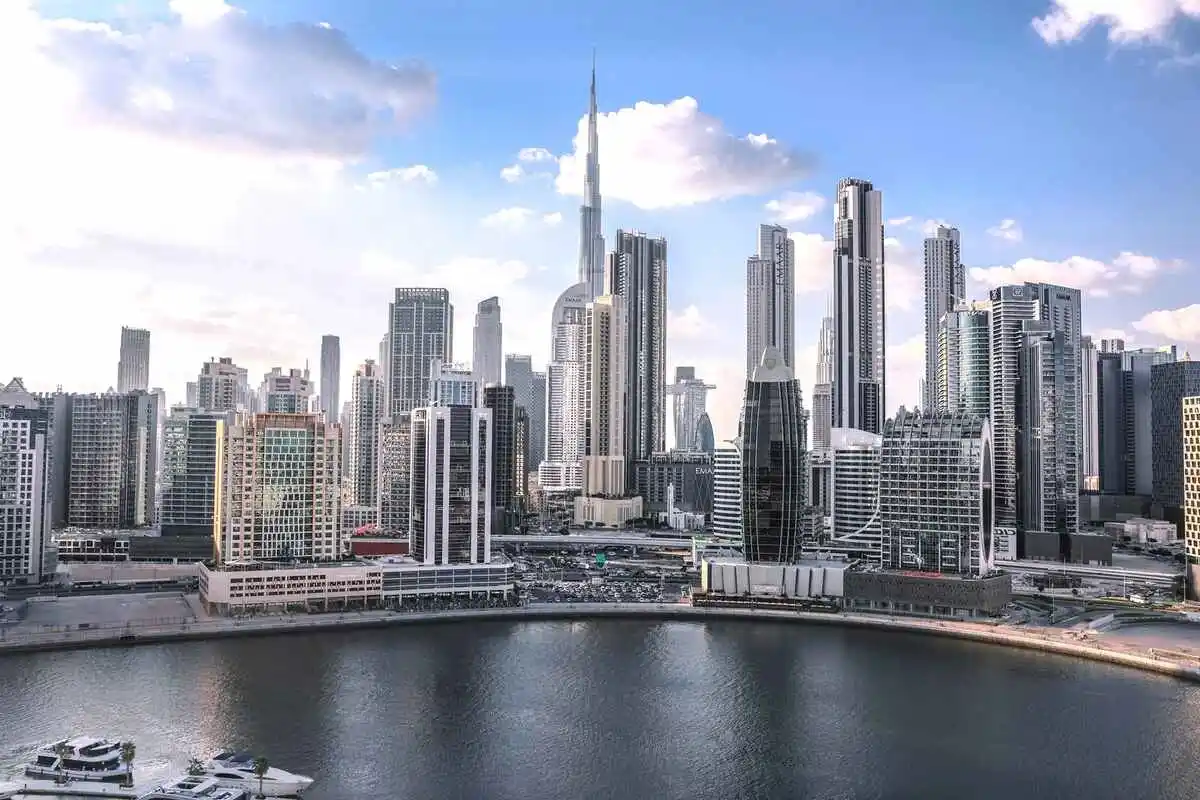
In the fast-moving property market of Dubai, new launches do steal the limelight. Shiny brochures, modern designs and attractive payment plans make new projects the no-brainer choice. Buyers are drawn to the excitement of a new, untouched and promising product.
However, as time goes on, a different story often begins to emerge. Once the launch hype wears off and the property becomes part of day-to-day operations, performance starts taking on greater importance than presentation. Many investors and end users are now realising that new does not always mean strong and excitement does not always mean stability.
Across Dubai, there is a clear gap emerging between properties that just look good at launch and those that are going from strength to strength every year. Newer buildings, in particular, may sometimes have problems with maintenance, with resale resistance, and with decreased demand once several similar projects are introduced to the market. In contrast, properties that have aged well are showing steady demand, better resale value and increased long-term returns.
FP Property has seen this trend many times. Units in well-maintained and established buildings often sell more and more confidently than new launches in the same price range. Buyers believe their own eyes, their own measures and verification. Longevity is no longer a bonus. It is becoming a fundamental performance issue.
In today's market, the ability of a property to age well is dividing the strong assets from the risky ones. Investors are no longer enquiring about how new a building is. They are asking how well it has stood the test of time.
What “Ageing Well” Actually Means in Dubai Real Estate?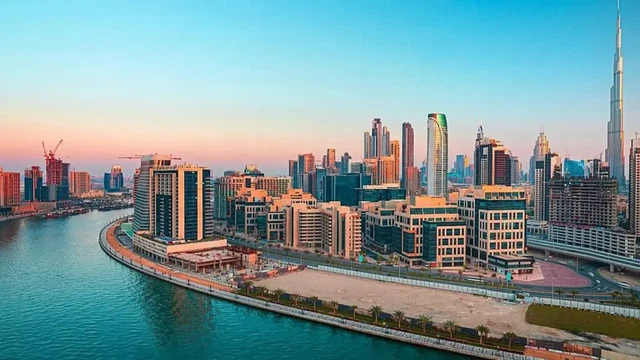
Ageing well does not imply old or outdated. In Dubai real estate, a property that is ageing well is one that keeps working and continues to attract demand and protects its value as time goes on.
One important element is the quality of construction, which needs to be durable. Buildings with solid materials, adequate insulation and sound systems generally experience fewer problems in the long run. Walls are not broken, fittings last longer, and common areas are not out of commission for repairs all the time.
Another thing is timeless layouts and specifications. Properties with practical room sizes, sensible layouts, good storage and balance continue to look attractive regardless of changes in trend. Overly trendy designs may look good when they are introduced, but can seem dated very quickly.
Manageable long-term maintenance is also important. Well-ageing buildings are planned with realistic maintenance in mind. Service charges are still reasonable, systems are easy to maintain, and the repair is not a financial burden.
There is a common misconception that the newer, the better. In reality, many newer projects are yet to be confronted with reality. Elevators, plumbing, air conditioning, and finishing materials are often only really shown by their quality after years of daily use.
To age well is to perform well, proven. It means that a property has already passed the test of time and is still delivering value without unpleasant surprises.
Why New Launch Appeal Often Declines?
Early Wear-and-Tear Reveals Build Quality
In the process of launch and handover, most units look perfect. Everything is unused, freshly painted and carefully presented. But once the residents move in, real life starts.
In many new developments, finishes begin to break down more quickly than anticipated. Cabinets get loose, tiles become cracked, paint fades away, and fittings show signs of poor installation. What appeared very good when it was on display in a showroom sometimes fails under normal use.
Defect rectification expenses are also incurred after handover. While developers will be able to address some issues during the defect liability period, many problems emerge later on. Owners are usually left paying for repairs sooner than they expected.
These early problems make the buyers experience a lack of confidence, and the reputation of the building may be destroyed very soon.
Supply Dilution at Handover
Another big problem with new launches is the concentration of supply. At the time of handover, hundreds or even thousands of units are available simultaneously.
Many investors are quick to sell immediately. Others list their units for rent at the same time. This brings about severe competition in the same building/community.
Prices become pressured. Sellers undercut each other. Rent expectations drop. What appeared profitable at the launch suddenly turns into a challenge in reality.
In contrast, well-aged properties are typically more balanced in supply. Units come into the market slowly, contributing to price stability.
Buyer Fatigue Sets In
New projects are always being introduced in Dubai. Each launch promises something newer, bigger or more impressive.
As soon as one project is turned over, attention is given to the next project. Buyers who were thrilled yesterday are being distracted by something newer today.
This constant cycle builds up buyer fatigue for projects just completed. Demand fades shortly, though the building may only be a few years old.
Well-aged properties are beneficiaries of this dynamic. They are no longer competing on hype. They are competing on the proven liveability and performance.
Well-Aged Assets vs New Launches: Key Differences
The distinctions between properties with a long age and new launches are borne out in the long run.
Well-aged assets have proven durability. Their systems, their finishes and structure have already been tested. New launches are not yet proven until years of use prove their true quality.
The demand for aged assets is generally stable. Buyers are aware of what they are getting. New launches are frequently based on hype-driven interest that can fade away quickly.
Ownership in existing buildings is more predictable. Service charges, the pattern of maintenance, and the operating costs are known. New properties often come with early surprises that were not built into the budget planning by the owner.
The confidence in resale is greater in properly aged properties. Buyers believe in historical pricing. New launches can be confronted with pricing resistance when incentives are no longer available, and the market conditions change.
These differences make it so that many investors are turning away from launch-driven decisions and are focusing on long-term performance instead.
Which Investor Types Prefer Assets That Age Well?
Not all buyers have the same goals. Properties that age well have a tendency to attract a certain type of investors and end users.
Long-term portfolio builders are an important group. These investors have a focus on steady income and preserving capital. They prefer assets that are desirable over a long period of years (many years) rather than chasing short-term appreciation.
Risk-averse investors also prefer well-aged properties. They appreciate predictability and reduce uncertainty. Proven buildings eliminate the likelihood of unexpected costs and performance disappointments.
End users who are stability-oriented are another important segment. Families and professionals desire reliable homes. They like communities in which systems operate, neighbours stay longer, and the living quality is uniform.
To these types of buyers, longevity is more important than novelty.
Where Well-Ageing Properties Perform Best?
Not all properties age well automatically. Location, management quality and community planning play a major role in determining the performance of a building through time. In Dubai, well-aged properties tend to do best in already developed areas as opposed to newly created areas.
Established communities tend to enjoy completed infrastructure. There are roads, retail, schools, clinics and public spaces already there. Residents are not waiting for promised amenities. This stability enables long-term demand and lessens the uncertainty for both tenants and buyers.
Buildings that have a consistent maintenance history also stand out. These are things where common spaces are cleaned regularly, systems are maintained within a scheduled time frame, and repairs are addressed before problems grow to become troublesome. When maintenance is proactive, the building ages slowly rather than ageing suddenly.
Developments that have strong governance structures perform better, too. Active owners' associations, transparent service charge management and decision-making processes ensure that the building is not left to neglect. A buyer feels more confident if they see evidence of responsible oversight.
In these environments, properties do not simply survive through time. They are still competitive, liveable and desirable.
Financial Advantages of Well-Aged Assets
From a financial point of view, properties which age well have several advantages which are often difficult for new launches to match.
One major advantage is reduced lifetime capital expenditure. In well-maintained buildings, major problems are tackled slowly as opposed to all at once. Owners may plan upgrades and repairs rather than respond to emergencies.
Another important benefit is tenant retention. Tenants like to live in buildings where systems are functional, and management reacts effectively. Tenants who stay longer cut the time of vacancies and the cost of leasing.
Resale pricing is also more resilient. Buyers trust properties which have a visible track record. They are less prone to ask for heavy discounts if they can review years of transaction history.
Over the cycles of the market, confidence is higher. During slower periods, proven assets continue to have serious buyers. During strong markets, they benefit from demand without being dependent on incentives. This consistency is what long-term investors are most interested in.
Risks to Watch Even in Proven Properties
While well-aged properties have the advantages of stability, they are not risk-free. Smart buyers realise age comes with its own difficulties.
The ageing of infrastructure is a real concern. The ageing of plumbing, electrical systems, elevators, and air conditioning eventually becomes at replacement stages. Buyers need to know what has already been upgraded and what is to come.
Deferred major replacements can cause hidden financial pressure. Some buildings put off costly work in an effort to keep service charges low. This can cause sudden increases in cost in the future that can catch owners off guard.
Management complacency is another danger. A building that was well managed in the past may decline in the face of weak oversight. Changes in management companies or owners' association leadership can impact standards rather quickly.
Careful review of the maintenance records, budgets and plans helps buyers to separate those properties that are genuinely well-ageing from those that are merely a demonstration of surface-level stability.
FP Property Insight: How We Evaluate Ageing Performance?
At FP Property, the assessment of ageing is based on actual data instead of assumptions.
Maintenance trends are analysed over several years. Sudden increases in repairs or costs are often a sign of underlying problems. Stable trends imply responsible maintenance.
Cost-to-age benchmarking is another important tool. Buildings are compared against other similar assets of similar age and type. Properties with unusually high spending are identified for further investigation.
Historical performance of resales is closely reviewed. We don't only study how prices behaved during peak periods but also during different market conditions. Assets which retain liquidity during slow times for the markets are evidence of real strength.
This is a structured evaluation that prevents FP Property from recommending assets based on promises that have yet to be proven to endure.
Market Outlook: Longevity Will Command a Premium
Dubai’s property market is steadily maturing, and buyer expectations are becoming more practical and data-driven. Instead of chasing fast appreciation, many buyers are now focusing on assets that offer long-term security and dependable performance.
Certainty is increasingly valued over speculation. Buyers want buildings with a visible track record of stable maintenance, steady occupancy, and consistent pricing behaviour. Projections and promises are losing influence compared to real operating history.
Speculative demand is gradually weakening, especially among seasoned investors who have experienced multiple market cycles. These investors are prioritising predictable outcomes, controlled costs, and assets that remain liquid even during slower market periods.
As a result, durability is becoming a clear pricing factor. Properties with strong maintenance records, established communities, and proven resale performance are starting to command premiums, while weaker assets face growing resistance. As market transparency improves, longevity will play an even greater role in shaping property values across Dubai.
Common Buyer Mistakes When Choosing New vs Old?
Even as the market becomes more informed, though, there are still considerations that many buyers make when choosing between new launches and old properties that they don't need to make.
A common assumption is that 'new' automatically implies 'better quality'. In reality, one can often only relate to build quality after years of everyday use. Issues with finishes, fittings and systems may not arise until the property is fully occupied.
Another common error is disregarding post-handover performance. Buyers tend to focus heavily on brochures, layouts, and promised features but pay no attention to how other similar projects performed after completion. Rental stability, maintenance issues and resale demand are often not assessed at this stage.
Many buyers also underestimate the long-term costs of ownership. Attractive payment plans and launch incentives can make one forget about ongoing expenses, including service charges, repairs and future upgrades. These costs can make a significant difference in terms of returns over time.
Avoiding these mistakes requires proper research, realistic expectations and a willingness to look beneath surface-level appeal when looking at long-term value.
Assets That Endure, Protect Capital
In Dubai's dynamic property market, the lure of new launches is unquestionable. Sleek designs, modern amenities and promotional offers can make new developments irresistible. However, time is often the measure of the true value of a property. And buildings that age well offer more than just a place to live – they offer proven performance, predictable costs, steady tenant or buyer demand and resilient resale potential. These factors eliminate buyer's remorse and the financial risk, which offers investors confidence based on tangible results and not promises.
Longevity in a property is not by chance. It is the product of quality construction, thought and attention to detail in construction, maintenance and management over the years. Properties that exhibit these qualities tend to keep their appeal longer, provide stable service, and have fewer unexpected repair charges. For investors, this means more consistent cash flow and greater security when it comes to long-term planning.
For those looking to invest in not only good properties, but also the ones that continue to safeguard capital in the long run. Getting well-aged, well-maintained properties is a strategic approach. Partnering with FP Property specialists can help buyers to identify durability-vetted opportunities that have proven their resilience to ensure portfolios are built on assets that really have stood the test of time.