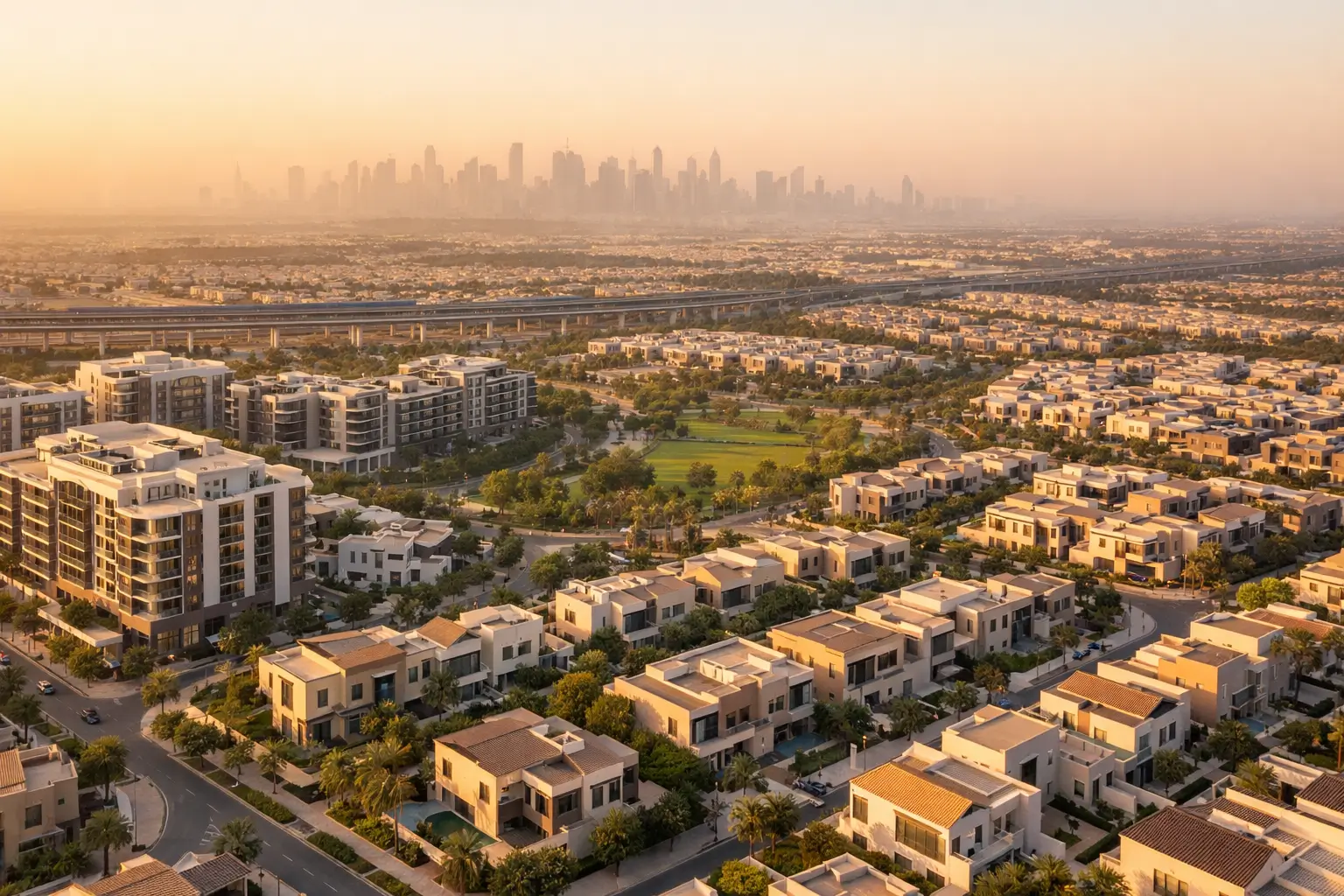
When it comes to investing in property, especially in Dubai, it is not only the price or aesthetics of a community that should be considered. One of the most important factors that determines the long-term success of your investment is the demand for rentals in Dubai communities.
Understanding rental demand goes beyond attractive buildings and Instagram-worthy streets. It’s about analysing who wants to live there, how long tenants stay, and how quickly units get rented. These insights help investors make informed decisions and avoid costly mistakes in an increasingly data-driven 2026 market.
Why Rental Demand Predicts Stability
Rental demand remains one of the strongest indicators of a community’s stability. Areas with consistent or growing demand tend to have longer tenant retention, leading to higher renewal rates and fewer vacancies. In contrast, low-demand areas often struggle with empty units and high tenant turnover, reducing overall profitability.
Tenant profiles also play a key role. Some communities attract young professionals, while others appeal more to families. Understanding who rents in a specific area helps predict rental trends and pricing strategies. For example, locations near business hubs and metro stations are typically preferred by professionals who may opt for shorter leases but ensure consistent rental activity. Family-oriented communities near schools tend to attract long-term tenants, supporting stable cash flow.
Another important metric is vacancy patterns. Communities with consistently low vacancy rates indicate strong rental demand. Monitoring how long properties remain vacant gives a realistic picture of market absorption. If units sit on the market for extended periods, it may signal oversupply or weak tenant interest—both red flags for investors.
Data Points Every Investor Should Examine
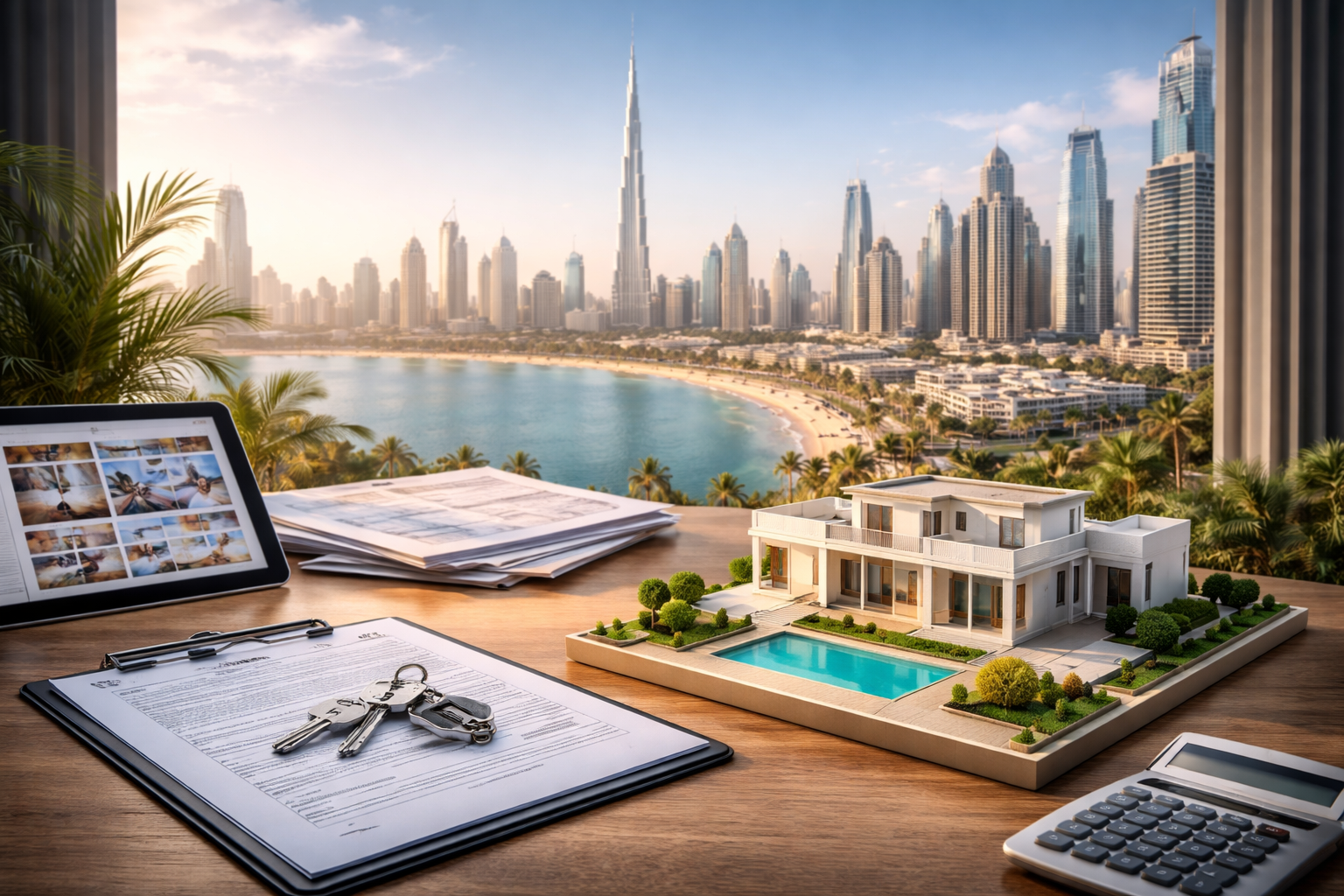
Before committing to a property, investors should evaluate several key data points to accurately assess rental demand:
Days on Market – Indicates how quickly a property is rented after listing. Shorter durations signal strong demand, while longer periods may suggest weak interest or overpricing.
Occupancy Trends – High and stable occupancy rates reflect a healthy rental market. Reviewing trends over multiple years helps determine whether demand is rising, stable, or declining.
Rental Benchmarks – Understanding average rental rates allows investors to compare potential returns. Communities with stable or increasing rents are generally safer investment choices in 2026.
It is important to analyse these metrics collectively rather than in isolation. For instance, high rental prices combined with low occupancy may indicate overpriced units. A combined data approach provides a more accurate and reliable investment picture.
Factors That Strengthen Rental Demand

Several factors contribute to stronger rental demand, some more obvious than others. Recognising these can help investors select properties that attract tenants consistently:
Metro Connectivity and Public Transport – Easy access to metro lines, buses and major roads significantly increases desirability, especially for commuting professionals.
Schools and Education Hubs – Proximity to reputable schools attracts families and encourages longer tenancy durations.
Retail and Lifestyle Amenities – Access to supermarkets, cafés, gyms and shopping centres enhances convenience and tenant satisfaction.
Leisure and Recreation – Parks, waterfronts, walking tracks and community centres improve quality of life, often allowing landlords to command higher rents.
Communities that combine connectivity, education and lifestyle offerings tend to outperform more isolated, purely luxury-focused areas in terms of rental demand.
Communities With Historically Stable Rental Absorption
Some Dubai communities have consistently demonstrated strong rental demand due to their balance of lifestyle, accessibility and pricing. Examples include:
Jumeirah Lake Towers (JLT) – Popular among professionals working in nearby business hubs. Competitive rental pricing and strong metro connectivity keep demand steady and vacancy rates low.
Al Barsha – A family-friendly area known for schools, malls and leisure facilities. Rental demand remains stable, particularly for mid-sized apartments.
Dubai Marina – Despite its luxury positioning, its proximity to offices, entertainment and the beach ensures constant demand for both short-term and long-term rentals.
Motor City – Offers a suburban environment with villas and townhouses. Demand is largely family-driven, resulting in longer lease durations and stable rental income.
These communities highlight that rental demand is driven not just by prestige, but by a strong mix of convenience, connectivity and livability.
Conclusion
Evaluating true rental demand is essential before investing in Dubai’s property market. By analysing tenant profiles, vacancy trends, days on market, occupancy rates and rental benchmarks, investors can make informed decisions that reduce risk and maximise returns.
Communities with strong infrastructure, schools, retail and lifestyle amenities tend to maintain consistent demand, making them more reliable long-term investments.
If your goal is to maximise rental yield and minimise vacancy, focusing on high-absorption communities is key. Leveraging expert insights and market forecasts in 2026 can help you identify the right locations, reduce downtime between tenants and secure stable income over time.
Get a rental demand forecast for your favourite areas, and gain a clearer understanding of which UAE communities offer the best returns with the lowest risk.