
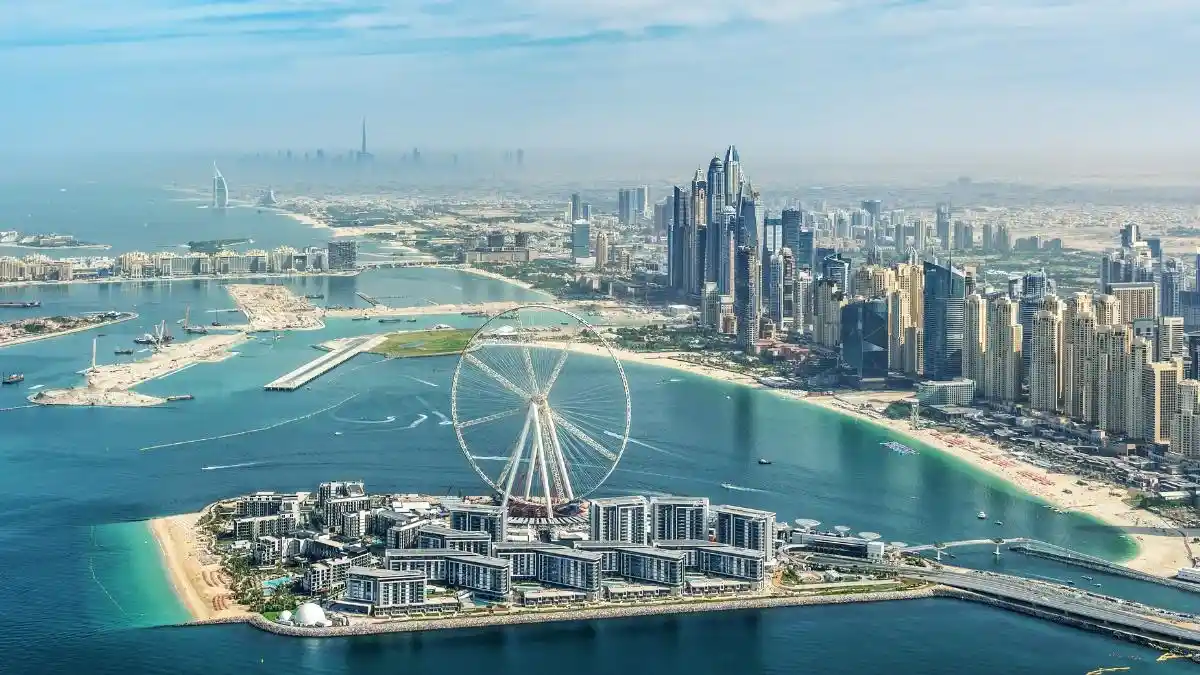
Across Dubai, a quiet shift is underway. Long-term residents who once rented or owned simple homes are trading up — moving from one-bedroom apartments into two- and three-bedroom units and from villas in older communities into more spacious homes in places like Emirates Hills and Dubai Hills Estate. It's a sign that Dubai has matured into a genuine long-term residential market rather than a city of short-term speculators.
For many of these upgraders, the smartest financial move is buying ready on the secondary market. If you're weighing the same decision, here's why resale property deserves serious consideration and what it actually means for your finances.
Why Are More Dubai Homeowners Choosing to Upgrade Now?

Dubai's property market has entered a more measured, mature phase. After several years dominated by rapid price growth and off-plan launches, activity is increasingly driven by end-users buying homes to actually live in, people who call the city their home.
That shift shows up clearly in the data. Let us take residential properties purchased in Dubai since 2012; over 61% of resale transactions and nearly 70% of primary market purchases have never been resold. In other words, once people buy in Dubai today, they tend to stay — and when they move, it's usually to upgrade, not to flip.
This matters for anyone considering a move to a bigger home or better community. You're not just making a lifestyle decision; you're stepping into a market that increasingly rewards patience, equity-building, and buying property that's ready to deliver value immediately — which is exactly where the secondary market comes in.
What Is the Secondary Market, and How Does Upgrading Through It Work?
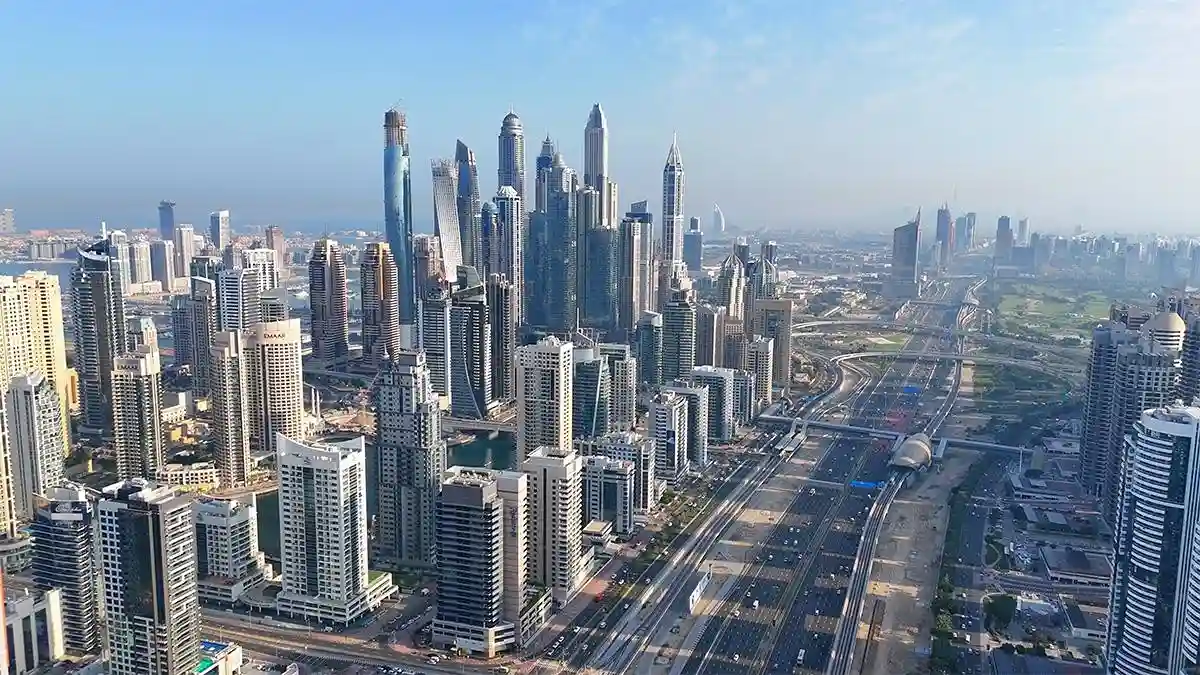
Secondary Market vs. Off-Plan — The Core Difference
The secondary market refers to properties that have already been built and owned, now being resold by their current owners. This is different from the primary (off-plan) market, where developers sell units directly, often years before construction finishes.
Secondary market transactions are more significant than many buyers realise — they account for close to 40% of all Dubai Land Department (DLD) transactions. That's a large, liquid market with plenty of comparable sales data to draw on, which matters a great deal when you're trying to make a financially sound upgrade decision.
How does an Upgrade Transaction Typically Work?
Most upgraders follow a similar path: they either sell their current property or use its built-up equity, then use those funds toward a larger or better-located resale unit. Because the property already exists, the process moves quickly:
-
Cash transactions can close in as little as 7–10 days
-
Mortgage-backed transactions typically take 3–4 weeks, depending on financing approval and documentation
On the other hand, when it comes to an off-plan upgrade, you might wait one to several years for handover before you can move in or start earning rental income on your new, larger home.
The Financial Benefits of Upgrading via the Secondary Market
1. Immediate Rental Income or Occupancy — No Opportunity Cost
Perhaps the single biggest financial advantage of upgrading through resale is that there's no waiting period. You move in immediately, or if you're upgrading as an investor, your new property starts earning rental income right away.
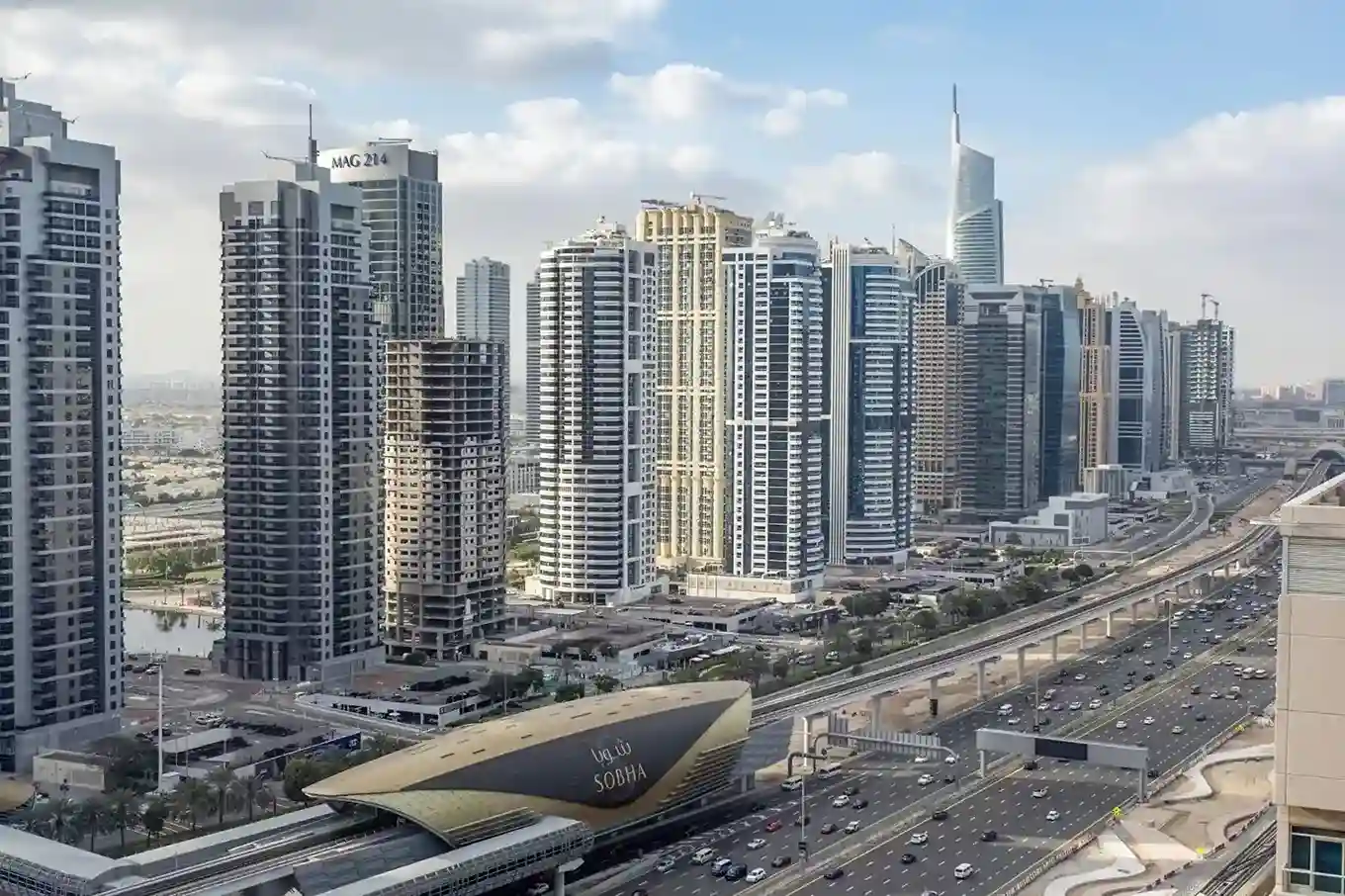
It matters more than it might first appear. Every month spent waiting for an off-plan handover is a month of lost rental income or continued rent payments elsewhere — money that a ready resale property would already be putting back in your pocket. In established communities like Jumeirah Lakes Towers, secondary market properties continue to deliver strong, dependable rental yields precisely because the infrastructure, tenant demand, and community reputation are already in place.
2. Price Transparency and Stronger Negotiating Power
When you buy off-plan, you're largely accepting the developer's price list. When you buy resale, you're negotiating in a market where comparable units are actively trading—giving you real pricing data to work with.
This transparency is a genuine financial edge for upgraders. You can see exactly what similar homes in the same building or community have sold for recently, which puts you in a much stronger position to negotiate a fair price rather than paying whatever a developer has set.
3. Access to Mortgage Financing and Leverage
Ready properties are simply easier to finance. UAE banks continue to offer competitive mortgage products for secondary market purchases, with financing available up to roughly 60% of the property's value in many cases. That accessibility is one of the key factors currently fuelling Dubai's upgrade trend — flexible repayment structures and manageable monthly instalments let homeowners "stretch" their budgets and move into a bigger home than they might have thought possible.
Off-plan purchases, by contrast, often rely on developer payment plans rather than standard mortgages, which can limit your options if you want to leverage financing strategically as part of an upgrade.
4. Lower Risk, Lower Holding Costs
With a secondary market property, what you see is what you get. There's no risk of construction delays, no cost overruns during a build phase, and no uncertainty about whether the finished product will match the marketing brochure.
For anyone upgrading — especially families relocating to accommodate growing needs — that predictability has real financial value. You're not carrying the risk of a delayed handover pushing back your moving timeline. Also, there is a significant risk of unexpected cost escalations when a project is still under construction.
5. Restricted Supply Supports Long-Term Value
One of the most overlooked financial benefits of the secondary market is scarcity. Established, sought-after communities – Downtown Dubai, Dubai Marina, Palm Jumeirah, Sobha Hartland – have limited remaining land. Once a community is fully built out, the supply of new units effectively stops.
That scarcity naturally supports long-term property values in these areas. If you're upgrading into one of Dubai's mature, prime communities, you're buying into a limited and finite pool of ready homes – a dynamic that tends to favour long-term price stability compared with newer, still-expanding off-plan zones where supply keeps growing.
6. Equity Unlock Through Smart Positioning
Many successful upgraders use the equity in their current home as leverage rather than sourcing entirely fresh capital. Sell (or refinance against) a starter apartment that has appreciated and roll that equity into a larger resale property — reducing how much new cash you need to bring to the table.
There's also a secondary financial lever worth knowing about: light, targeted renovations before you sell. Kitchen and bathroom upgrades in Dubai can return roughly 70–90% of their cost in added resale value, meaning a modest, well-planned refresh of your current property before listing it can meaningfully boost the equity you carry into your upgrade.
Secondary Market Upgrade vs. Off-Plan Upgrade: Which Wins Financially?
|
Factor |
Secondary Market |
Off-Plan |
|---|---|---|
|
Upfront cost |
Generally higher per sq.ft. |
Often lower, with pre-launch pricing |
|
Financing |
Standard bank mortgages (up to ~60% LTV) |
Developer payment plans, staged over construction |
|
Risk |
Low — property and condition are known |
Delivery delays, market shifts during construction |
|
Time to income/occupancy |
Immediate |
Months to years, until handover |
|
Price transparency |
High — based on live comparable sales |
Set by the developer's price list |
|
Appreciation potential |
Steadier, tied to established community scarcity |
Potentially higher, but speculative |
Neither option is objectively "better" — it depends on your goals. Off-plan can suit investors chasing capital appreciation and comfortable with a longer timeline and payment flexibility. But for anyone upgrading to a bigger home now, or an investor seeking immediate income, the secondary market's certainty, ease of financing, and immediate returns typically make it the financially stronger choice.
Best Dubai Communities for a Resale Market Upgrade

If you're upgrading through the secondary market, these established communities offer some of the strongest combinations of rental yield, appreciation potential, and lifestyle appeal:
-
Dubai Marina – Urban, coastal living with consistently strong tenant demand
-
Downtown Dubai – Iconic address with reliable long-term value retention
-
Business Bay – A thriving commercial and residential hub with steady demand
-
Jumeirah Village Circle (JVC) – Affordable entry point with strong rental yields, popular with upgraders moving from smaller units
-
Dubai Hills Estate & Sobha Hartland – Family-oriented communities favoured by residents upgrading to larger homes
-
Emirates Hills – A top destination for villa owners upgrading into larger, more established properties
Key Risks to Weigh Before Upgrading Through Resale
The secondary market isn't without trade-offs, and a balanced upgrade decision should account for them:
-
Higher upfront cost per square foot compared with off-plan pricing in the same area
-
Property age and condition — older units may need renovation, which should be factored into your total investment cost
-
Golden Visa eligibility — a bonus consideration for upgraders: properties valued at AED 2 million or more qualify buyers for the UAE's 10-year Golden Visa, adding a long-term residency benefit on top of the financial case for upgrading
FAQ
Is it cheaper to upgrade through the secondary market or off-plan in Dubai?
Off-plan properties are often cheaper upfront, thanks to pre-launch pricing and staged payment plans. However, secondary market properties avoid the added costs and risks of construction delays, and they let you start earning rental income or living in the home immediately — which can offset the higher entry price over time.
Can I get a mortgage to upgrade to a resale property in Dubai?
Yes. UAE banks readily finance secondary market purchases, typically up to around 60% of the property's value, making resale upgrades accessible to a wide range of buyers.
How long does a secondary market upgrade transaction take?
Cash purchases can close in 7–10 days, while mortgage-financed transactions usually take 3–4 weeks from offer to transfer.
Which Dubai areas offer the best resale value for an upgrade?
Established communities such as Dubai Marina, Downtown Dubai, Business Bay, JVC, Dubai Hills Estate, and Emirates Hills are consistently popular choices, offering a mix of strong rental yields and long-term value stability.
Do I need a RERA-registered broker to buy secondary-market property?
Yes. Only RERA-registered brokers can legally list or facilitate the resale of secondary market properties in Dubai, so working with a licensed agency protects you throughout the transaction.
Is Upgrading via the Secondary Market Right for You?

Upgrading your home is a major financial decision, and the secondary market offers a compelling case: immediate returns, easier financing, lower risk, and long-term value support from limited supply in Dubai's most established communities. While off-plan has its place for investors chasing early-stage appreciation, buyers looking to move into a bigger, better home — now, with certainty — will typically find the numbers favour resale.
If you're considering an upgrade, speak with an FP Property consultant to evaluate the equity in your current home and identify the right resale property to move into next.