
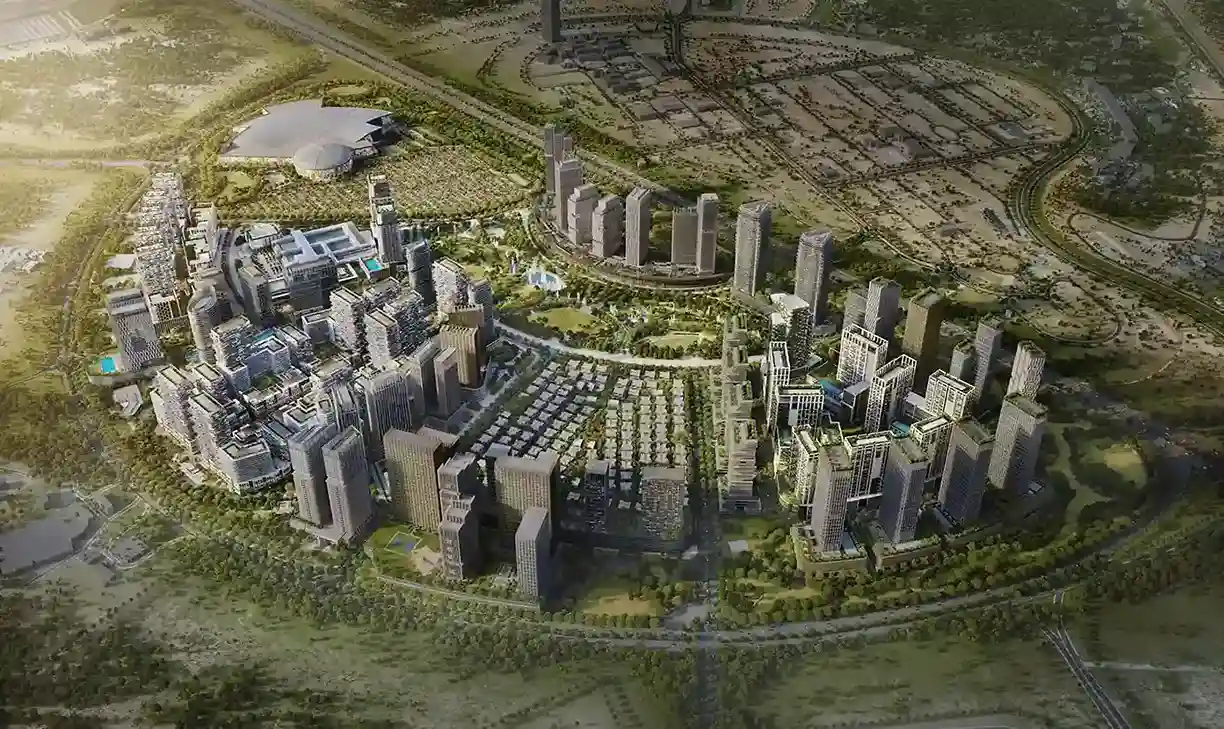
Dubai has always been the champion of "bigger is better". For a long time, buying property here was easy. It was all about the tallest building, the fanciest materials, and the best location. But now, something big is changing, and investors should take note.
This change isn't slow. It's getting faster right now, in 2026 and 2027. People buying homes aren't happy with just a great view and a giant pool. They are asking a much bigger question: "Will this house actually help me live a better, healthier life?"
This idea is spreading worldwide. Recent events have taught us that our health is connected to the place where we live. Dubai always jumps on new trends, and they are fully focused on this one. For clever investors, this isn't just a small difference. It's the new standard for luxury. If you don't own "wellness properties", you are missing what's coming next.
What Exactly Is a Wellness Home?

The standard real estate pitch is no longer applicable today. A real wellness building creates a complete living system. It focuses on science, not just on making things look pretty. It builds a safe place, both inside and out, that cuts down on stress and helps your body recover as much as possible. Here are the most important parts that matter:
1. Biophilic Design (Connecting with Nature)
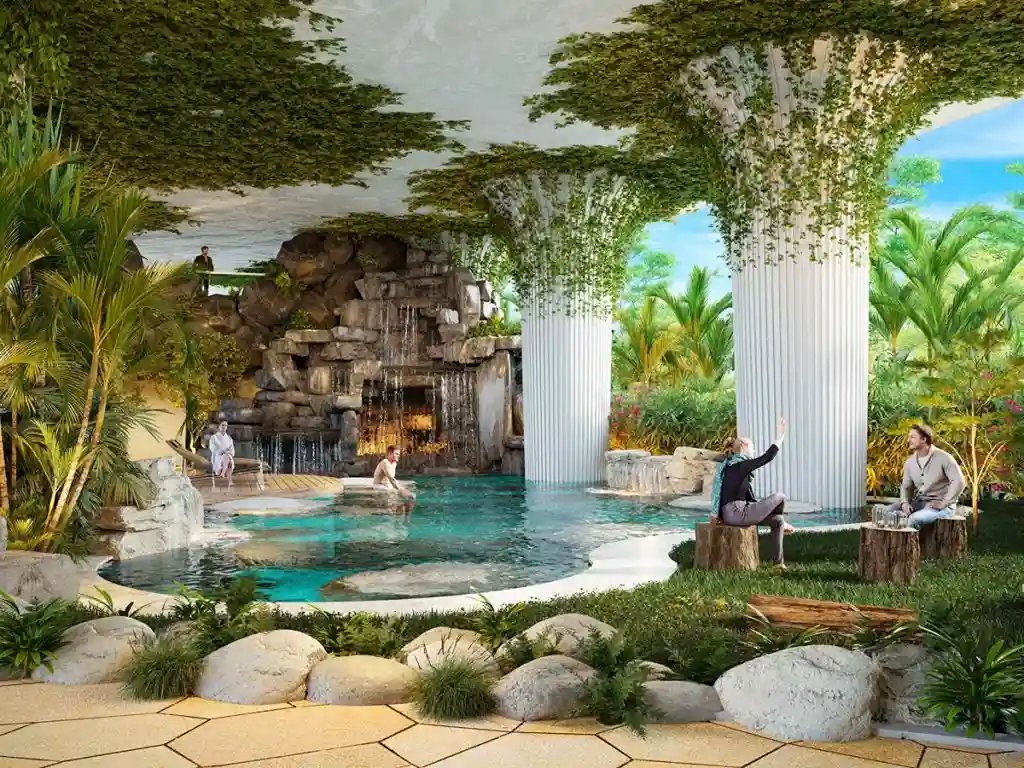
This is about putting nature right into the building’s design. It’s more than just adding potted plants; it means having huge windows for tonnes of sunlight, using real wood and stone materials, and giving clear views of parks or gardens. Studies show this type of design lowers your stress hormone (called cortisol) and makes you feel much calmer and happier.
2. Indoor Air Quality (Clean Air)
Since we spend most of our time inside, the quality of the air is extremely important. The best projects use powerful, multi-layer filtering systems. These systems work hard to clean out dust. bacteria, and bad particles, so the air you breathe inside is much cleaner than the city air outside.
3. Circadian Lighting (Lights That Follow the Sun)
This system has smart lights that slowly change their colour and brightness. The lighting follows the sun’s path in nature. It starts bright and cool in the morning to help you wake up, and then it slowly shifts to a warm, soft light at night to tell your body it’s time for deep, restful sleep.
4. Superior Acoustic Engineering (A Quiet Home)
The building's structure uses special, high-quality soundproofing materials. This design keeps all the noise from the city outside. The final result is a quiet home that you need for truly deep rest, focusing hard, and working without being disturbed.
Beyond the Walls: Community and Tech
Wellness means taking care of everything. These neighbourhoods include shared spaces like small, quiet rooms for meditation, beautiful outdoor areas for yoga, and kitchens designed for cooking healthy meals and meeting neighbours.
And yes, the technology is smart. It checks the air quality, helps you track your sleep, and gives you personal health tips right on a screen built into the wall. It’s a complete, 360-degree way to handle your well-being.
Why do new buyers in the Dubai market demand wellness?
This trend isn't driven by marketing; it’s driven by Dubai’s sophisticated and evolving demographic. We’re seeing more high-net-worth individuals and experienced expatriates moving here, and they've got their priorities straight.
-
These new residents are not just showing off their money. They are focused on high-performance lifestyles in both their jobs and their health. For them, a home that actively helps them achieve peak physical and mental fitness is not a luxury extra. It is a necessary tool.
-
Think about it: a property that reduces your daily stress is priceless. By delivering clean air, perfect quiet, and easy access to natural spaces, these properties deliver a long-term, non-monetary return. This benefit translates into extremely stable property value because, simply put, nobody wants to move out of a house that makes them feel better every day.
-
The modern buyer wants total integration. Imagine finishing a tense Zoom meeting, stepping out onto a safe track for a quick run, and then moving into a dedicated mindfulness room—all within a two-minute walk. That’s the holistic, seamless experience that separates this market from the traditional one.
What’s Cutting-Edge in 2026?

The way this market is changing never stops. Here are the must-have features that define the best projects coming out in 2026 and 2027.
Get Proof: Green Certifications
If a building doesn't have a third-party green certificate, you should be doubtful. You need proof. Look for WELL and LEED certifications. These are global marks that prove the building meets strict rules for being good for the environment and for the health of the people who live there. This is more than just talk; it's protecting your investment for the future.
Water for Health and Recovery
Builders are now using the calming power of water. Look past the typical swimming pool for things like thermal water therapy, cold plunge pools (great for bouncing back after exercise), and quiet decks floating over water where you can meditate.
Gyms Focused on Performance
The basic hotel-style gym is finished. The new standard includes high-performance training centres, special areas for boxing, climbing walls, and dedicated sports recovery lounges. These features are specifically for the wealthy buyers who lead active lives.
Suites for Mental Peace
The market is now seriously focusing on mental health. Look for shared amenities that have quiet zones, special gardens that engage the senses, and "digital detox" rooms where residents can choose to disconnect and relax completely.
Truly Toxin-Free Living
The very best projects use only non-toxic, natural materials during construction. They often have advanced water filters for the whole home and sometimes even showers with Vitamin C added. The commitment here is to make sure no bad chemicals are used, which guarantees amazing indoor air quality.
Major Locations, Major Wellness Overhauls
This isn't just a small, speciality market. It's actually changing the look of entire areas of the city:
-
Dubai Marina: The Marina is famous for its tall buildings, and now it's creating high-rise wellness spots. Builders are adding gardens that cascade down multiple floors, incredible sky yoga studios, and exclusive spa floors. These places truly feel like a safe haven, high above the busy city.
-
Downtown Dubai: The main idea here is high-end urban health. Buildings close to the Burj Khalifa are quickly adding intense air purification systems and natural, biophilic designs. This ensures that living in the dense city center still feels clean, open, and easy to breathe in.
-
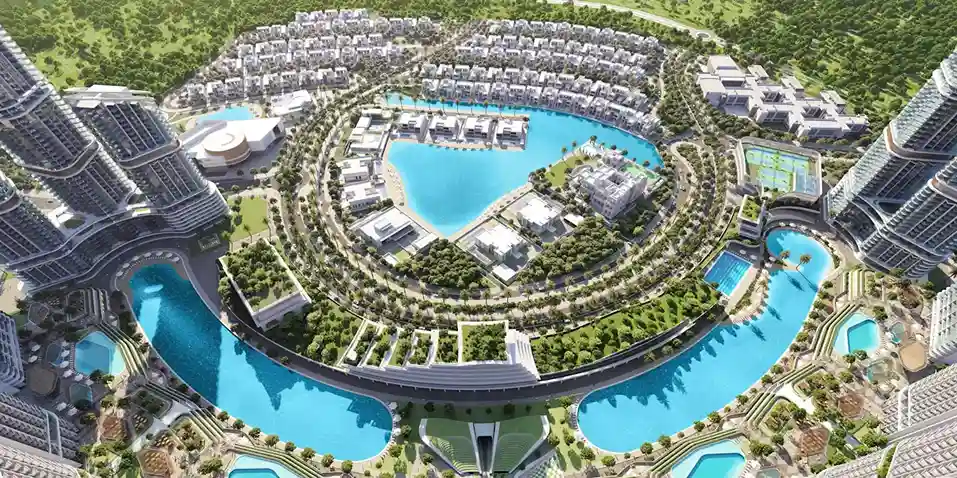
MBR City & Meydan: These areas are the new leaders for low-density, complete neighbourhoods. With huge crystal lagoons and large green spaces, they offer the room that active families and fitness lovers need for cycling, running, and true outdoor living.
-
Dubai Hills Estate & JVC: Dubai Hills Estate is already recognised as a prime "green urban oasis", benefiting from its golf course and huge parks. Newer JVC projects are quickly adding similar parks and fitness amenities, offering a smarter, more accessible entry point into the certified wellness market.
The Bottom Line: Wellness Means Better ROI
We’re here to talk about returns, and wellness properties offer a distinct financial edge over standard investments.
-
Health-focused, affluent tenants are actively hunting for these specific homes. Their intense demand means properties see lower vacancy rates and command a noticeably higher rental premium than non-wellness units.
-
Buyers happily pay more for peace of mind. Homes with formal wellness certifications (like WELL) consistently sell at a premium, often fetching 10% to 25% above similar, uncertified properties.
-
The value of these assets appreciates faster than the market average. Why? Because the demand for health isn't going away. Data suggests that wellness features can drive value growth twice as fast as regular properties year-over-year. This makes the investment more resilient and protected against typical market fluctuations.
The Developers Driving the Shift
Dubai’s top companies are fully invested in this trend. Emaar, Sobha Realty, Majid Al Futtaim, and Damac are now treating wellness as a main part of their brand.
-
Emaar, for example, has built green spaces and water access right into neighbourhoods like Dubai Hills and Creek Harbour.
-
Sobha is known for its excellent building quality and massive parks in projects like Sobha Hartland.
-
Majid Al Futtaim is leading the way with full eco-wellness villages such as Tilal Al Ghaf. This community is centred around a huge lagoon and was specifically designed for sustainable, healthy living.
They are creating three different levels of investment:
-
Standard Homes: Regular apartments and villas that include basic features like clean air filters and smart, circadian lighting.
-
Branded Residences: Homes connected to famous wellness companies (like a top-tier spa or sports clinic). They offer custom services, such as medical check-ups and personal training, whenever you want them.
-
Wellness Villages (Mixed-Use): Complete systems that bring together homes, health clinics, special office spaces, and organic food markets.
The message from the top is absolutely clear: the luxury property market knows where it’s going next.
Government Support: Why Is This Trend Not Going Anywhere?
This is not a temporary fad; it’s an official mandate. The Dubai 2040 Urban Master Plan is the city’s blueprint, and health and sustainability are the twin pillars it’s built on.
-
The most aggressive goal is to double the size of green and recreational areas in Dubai. The plan dedicates 60% of the emirate’s land to nature reserves and green space. That's huge.
-
The government is actively creating green corridors that link residential zones to parks and workplaces, making it easy and safe to bike, run, or walk anywhere. Active transportation is becoming the preferred option.
-
New building regulations enforce energy efficiency and sustainable practices. Every new project is designed to cut down on energy and resource consumption, which is great for the planet and even better for residents' long-term running costs.
Buyer Checklist: Separating Real Wellness from Marketing Hype
Don't get tricked by a brochure with a picture of a yoga mat. You need to ask the tough questions.
-
Demand to See the Certifications: If the agent won't show you proof of, or a clear path toward, WELL, LEED, or Fitwel certification, be wary. These independent audits are the only guarantee that the features work.
-
Drill Down on Air and Water: Don't accept vague claims. Ask for specifics: Is it a whole-home water filtration system? What contaminants are removed? What kind of air purification technology is used (HEPA, UV, etc.)?
-
Verify the Natural Elements: Walk the floor plan. Does natural light truly penetrate the space throughout the day? And during your visit, test the noise control. Is the apartment quiet enough to be a true escape? Thick glass and structurally sound walls are huge value indicators.
-
Red Flag Alert: If a community's only "wellness" feature is a treadmill room, you’re looking at a standard building with basic amenities. Look for generous, genuinely usable outdoor spaces—not just a small patch of grass, but areas designed for active use, like proper walking trails, large sensory gardens, or quiet reflection zones.
Where We Go From Here (2026–2030)?
The future is personal. We expect the trend to lean heavily into longevity—homes actively programmed to help you live a longer, healthier life. AI-driven personalisation will soon be standard, with your home automating light, temperature, and air based on your real-time sleep data and physical activity.
Crucially, watch for the rise of medical-grade wellness integration. Picture a residence offering on-site nutritionists, preventative health screenings, and specialised recovery therapies, all managed by experts and seamlessly available downstairs. Dubai is no longer building homes; it's building personal health operating systems.
Partnering with a Specialised Agent

Navigating this complex new market with a standard agent is like trying to use a map from ten years ago. They’ll focus on square footage price, completely missing the intangible (yet valuable) wellness proposition.
You need a partner who understands the science behind a WELL certification and can properly calculate the long-term ROI based on air quality, light, and design resilience.
A specialised partner will help you:
-
Authenticate Value: They’ll ensure the "wellness" claims are backed by verifiable certifications, not just marketing copy.
-
Secure Prime Access: They get early access to the best health-focused launches, giving you priority choice for the premium units.
-
Calculate True Premium: They know exactly how much higher you can price the rental or sale of a certified wellness home, ensuring you maximise your return.
What’s next?
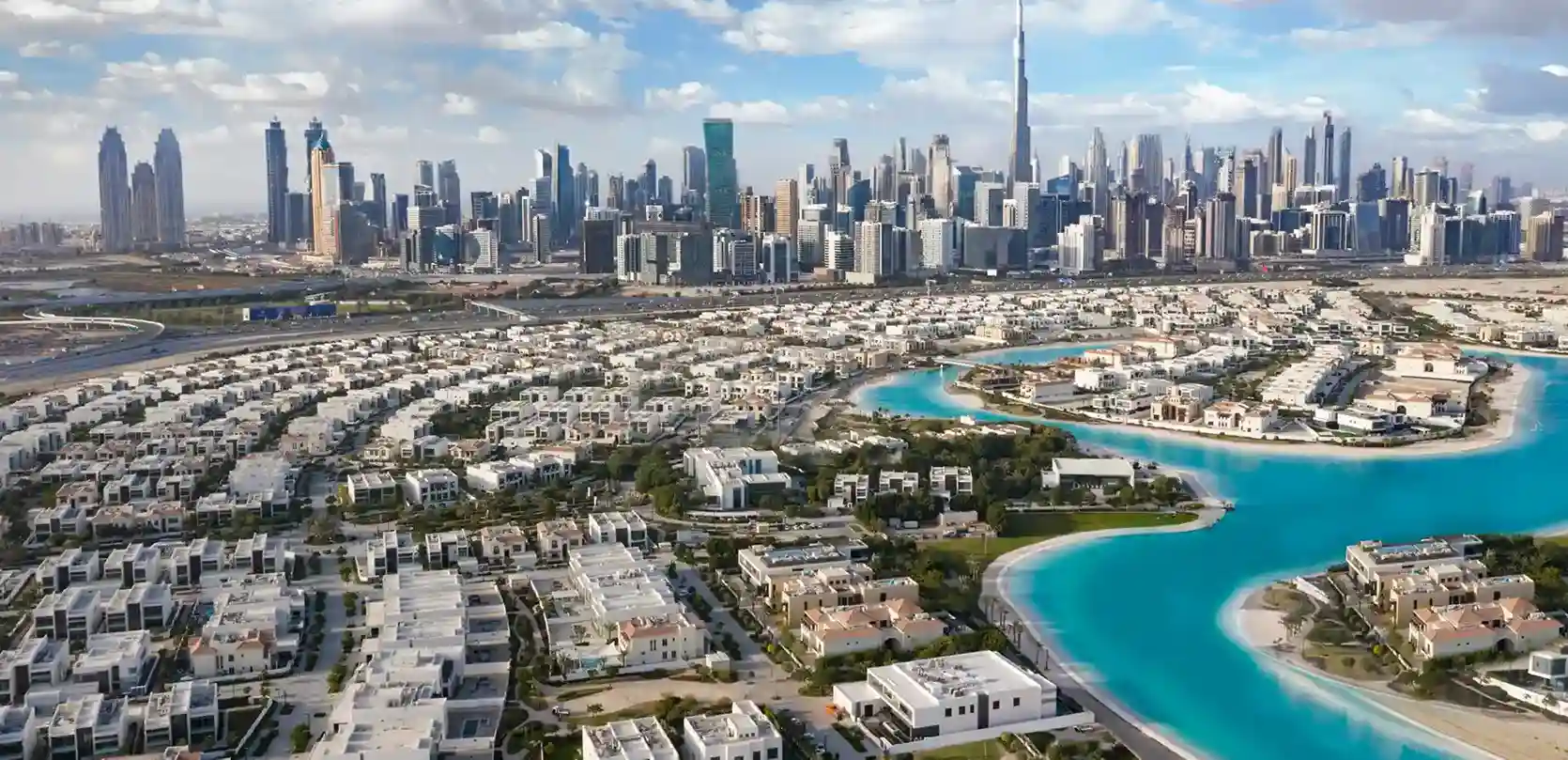
The era defined by size and flash is over. The new Dubai—the Dubai of 2026 and 2027—is focused entirely on health, quality of life, and genuine sustainability. Wellness real estate is not a footnote; it is the definitive new benchmark for luxury living and intelligent investment. These properties guarantee higher value growth, command rental premiums, and attract the city’s most desirable tenants. If you want to put your money where the future is, invest in a home that’s healthy, green, and fundamentally smart.