
For years, property buyers in Dubai had one thing on their minds when they selected a home or an investment property. And that was the entry price. A lower purchase price was the safer, smarter and more profitable move. Buyers believed that if they bought cheaply, there would always be room to gain later.
However, the market has changed. Buyers are becoming more experienced. Many are now being woken up to the fact that the price of purchase is only the start of the financial story. What really matters is how much the property costs to own over the years.
Many buyers underestimate long-term ownership costs. They focus on price in the brochure anddo not take into account service charges, maintenance, repairs, replacements and management quality. These costs gradually accumulate and frequently come as a surprise to owners at a later time. Low purchase prices often conceal financial risk. Some properties are priced lower due to current cost problems that already exist. Others feel cheaap when the expenses have been postponed rather than handled properly.
At FP Property, a definite pattern has been noticed. Properties that have a hard time reselling do not often fail because of location or layout. The reason they don't is that buyers are afraid of the unpredictable cost. Cost Volatility Causes Buyers to be Nervous. It makes financing harder. It weakens resale demand.
As a result, the predictability of cost is now becoming one of the most important decision factors in Dubai real estate. Buyers are no longer asking the question of just how cheap a property is. They are asking how stable it is going to be to own.
What does “Cost Predictability” Actually Mean in Dubai Real Estate?
Cost predictability is not equivalent to low costs. It means clear, stable and understandable costs over time. A predictable property enables the owners to plan their finances without any surprise, constantly and all the time.
One important component is stable service charges over several years. When there is a gradual and logical increase in charges, owners feel confident. Sudden spikes cause fear and frustration.
Another part is predictable cycles of maintenance and replacement. Every building has ageing systems. Elevators, air conditioning, plumbing and common areas all require care. In predictable properties, such cycles are planned. Costs are distributed over a period of time rather than appearing suddenly.
Transparent budgeting and governance are also important. Owners should be able to see where money is going. They should know how budgets are developed and endorsed. Good transparency breeds good trust.
There is also a general confusion among buyers. Many assume that low ownership costs (in the form of service charges) automatically translate into predictable ownership costs. This is not true. Low charges can sometimes mean underfunding. When reserves are weak, the future expenses become unpredictable.
True cost predictability is a function of good planning, disciplined management and honest reporting. It is not about simply paying less today. It is about not having financial shocks tomorrow.
Why Low Entry Price Can Be Misleading?
A low entry price is an attractive one, particularly in a competitive market. But cheap entry usually conceals deeper problems that emerge later on.
Deferred Maintenance Creates Cost Shocks
Some developments keep service charges low by avoiding maintenance. Repairs are postponed. The equipment operates for longer than necessary. Cosmetic issues are ignored.
At first, lower monthly payments are enjoyed by owners. But over time, issues accumulate. When systems finally fail, the cost of repair is massive and unexpected.
These costs often take the form of special assessments. Owners are asked to pay lump sums without much warning. Cashflow is disrupted. Financial stress follows.
Instead of small planned expenses, owners are faced with big, unexpected bills. What once appeared to be cheap becomes expensive very quickly.
Inefficient Management Inflates Costs
Poor management contributes significantly to this, too. When vendors are not controlled properly, costs increase. Contracts may be overpriced. Maintenance work can be repeated unnecessarily.
Inefficient budgeting is a source of overruns. Expenses are higher than projections; Owners are mistrustful of the process by which their money is managed.
When buyers look at such buildings, they see the lack of discipline. This causes a loss of trust and declines in demand.
Cost Uncertainty Hurts Resale Demand
Buyers dislike uncertainty. When a property has unclear expenses, buyers ensure they protect themselves by offering less. Even if the unit is well priced, there is some hesitation because of the uncertainty. Buyers demand discounts to cover risk in the future.
As a result, selling timelines increase in length. Owners struggle to exit. The low entry price is no longer protective.
Predictable-Cost Assets vs Cheap Assets: Key Differences
The distinction between predictable cost assets and cheap assets is clear over time.
Predictable cost assets have stable ownership costs. Owners know what to expect. Financial planning is made easier. Cheap assets usually bring financial uncertainty. Costs change unexpectedly. Owners feel reactive, rather than in control.
Predictable properties create confidence in buyers. Buyers have faith in the numbers and feel comfortable committing. Cheap properties bring about hesitation. Buyers stress over what problems may be hidden and what costs may be incurred in the future.
Predictable assets are easier to sell. Buyers are competitive on the basis of quality and clarity. Cheap assets have a pricing resistance. Buyers demand discounts as a means of compensation for the uncertainty.
Predictable assets bring in long-term clarity. There are fewer surprises for owners. Cheap assets have surprises that are always lurking that will eat away at value in the long run.
Which Buyer Types Are Driving Cost Predictability Demand?
A number of buyer groups are driving this move towards predictable costs.
Mortgage buyers are very sensitive to the monthly exposure. Their budgets are fixed. Unexpected increases create financial stress. Predictable costs let them deal comfortably with repayments.
Long-term end users are also concerned with stability. They make plans to live in the property for several years. They want peace of mind, not to be constantly adjusting their finances.
Yield-focused investors are another important group. They are interested in net returns and not just rental income. Unpredictable expenses consume profits. Stable costs allow for the consistency of yields.
These buyer groups are influencing demand throughout Dubai. Developers and sellers who ignore this shift stand to lose out.
Where Cost Predictability Shows Up Most?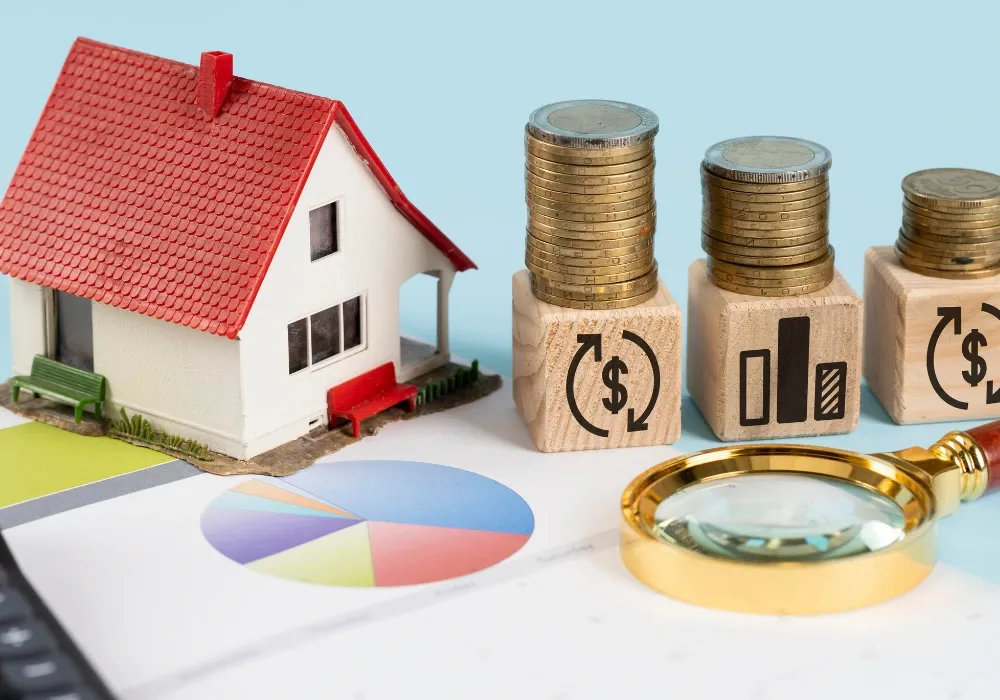
Cost predictability does not simply appear by accident. It is generally the product of consistent planning, good management and long-term thinking. A certain type of property in Dubai exhibits this quality more than others.
Professionally managed buildings are one of the best examples. These buildings are managed by experienced management companies which work with structured processes. Maintenance schedules are not based on reactivity to emergencies but are planned. Vendor Contracts: Vendor contracts are reviewed regularly to control costs. This results in fewer surprises for owners.
Developments which carry a long service charge history also provide better visibility. When there are a number of years of recorded expenses for a building, buyers can study patterns. They can see if costs increase slowly or if they are suddenly increased. This history helps to build confidence and helps buyers to forecast future expenses better.
Communities that have disciplined financial planning stand out as well. These communities prioritise funding for reserves and long-term care of assets. Instead of artificially keeping charges low, they are balancing between affordability and sustainability. In the long run, this approach saves both the property condition and the owner's finances.
Buyers who pay more attention to these environments tend to have smoother ownership with fewer money shocks.
Financial Advantages of Predictable-Cost Assets
Predictable-cost-cost assets have real financial benefits beyond just the comfort and peace of mind. These advantages directly impact ownership performance and long-term value.
One of the major benefits is ease of cash flow forecasting. Owners can plan their monthly and yearly expenses with confidence. This is particularly important to mortgage buyers and investors who deal with multiple properties.
Predictable costs also minimise financial stress. Sudden expenses of large size may disrupt the savings, force borrowing, or delay other life plans. When costs remain steady, owners feel better in control of their finances.
Resale confidence is strengthened as well. Buyers looking over a predictable property are happy to trust the numbers. This results in smoother negotiations and reduced pricing disputes.
Over the long term, predictable cost assets are often more stable in terms of returns. Even if the entry price is above the actual price, the lack of variable unforeseen expenses helps to maintain net gains.
Risks Even in Cost-Stable Properties
While predictable properties are better all-around, they are not entirely risk-free. Buyers need to know what might pose challenges even with stable environments.
One risk is underfunded reserve funds. A building may seem stable now, but if the reserves are not adjusted for the needs of the future, then gaps may develop. This can result in increased charges at a later date.
Ageing infrastructure is another issue. As buildings get older, it becomes more expensive to replace them. Even well-maintained systems require an upgrade from time to time. Buyers should take a look at long-term plans, not just the current condition.
Management complacency may also develop. A good track record could result in less oversight over time. Without regular reviews, efficiency can go down.
This is why it is important to continue monitoring. Cost stability should be reviewed constantly and not taken for granted forever.
FP Property Insight: How We Assess Cost Sustainability?
At FP Property, cost sustainability is not an afterthought butafterthought but a fundamental evaluation factor. Our process goes deeper than surface-level numbers.
We look at trends in service charges across different years in order to draw patterns. Gradual increases are normal. Sudden spikes are a cause for concern, and an explanation is needed.
We look at the reserve fund health to make sure the maintenance and replacement are realistically covered in the future. Weak reserves are often predictors of cost volatility.
We are also comparing costs versus quality. A little extra cost is worth it if it provides better maintenance, stronger management and longer life from the asset.
This systematic approach helps clients to avoid properties that appear cheap today but turn out to be expensive in the future.
Market Outlook: Buyers Will Price Total Ownership Cost
Dubai's property market is becoming more mature and analytical. Buyers are no longer just influenced by entry price or launch incentives.
Cost awareness is rising. Buyers are asking deeper questions about long-term expenses, governance and sustainability.
Cost volatility is now being treated as risk. Properties with unclear and unstable expenses are discounted to account for uncertainty.
At the same time, predictable assets are beginning to trade at a premium. Buyers are prepared to pay more for clarity, stability and confidence.
As more information is made available and buyers are better educated, total ownership cost will be even more of a consideration when pricing decisions are made.
Common Cost-Evaluation Mistakes Buyers Make
Even though buyers in Dubai are becoming more informed, cost evaluation mistakes are very common. These mistakes often occur because buyers pay too much attention to what is on the surface today and not nearly enough attention to what may occur in the future.
Reviewing only current charges:
One of the greatest errors is to only look at the current service charge figure. Buyers look at a low number and conclude that the property is efficient. What they often don't check is how that number has changed over the years. A low charge that has been flat for several years may look very attractive, but it can also mean that maintenance has been delayed or reserve funds have not been built up properly. When these problems arise, costs tend to increase rapidly.
Ignoring long-term maintenance cycles:
Another common mistake is not taking long-term maintenance and replacement cycles into account. Every building has components that wear out. Elevators, air conditioning systems, roofing and common area finishes all have a limited lifespan. Buyers who fail to enquireenquire about the last time these systems have been replaced could end up with increased costs soon after their purchase. These costs often come in large dumps instead of slow increases.
Assuming new buildings are cheap to run:
Many buyers also presume that new buildings are cheap to operate. While new properties may have lower costs in the first few years, this does not always continue to be the case. Some developments keep the service charges artificially low initially to attract buyers. And once warranties expire and the building begins to age, charges will often rise dramatically in order to make up for the earlier underfunding.
Lack of Quality Management:
Another error is the lack of review of the quality of management. Buyers are all about the numbers and not about who is controlling the budget. Poor management can waste money even in well-designed buildings. Without good oversight, the costs become unpredictable, no matter how old the property is or where it is located.
These mistakes typically result in buyer's regret. Avoiding them requires looking beyond the brochure and studying how the property is performing in real life.
Predictable Costs Protect Returns
The Dubai real estate market has reached a point where smart buyers look beyond the entry price. The true cost of a property is not what you pay on day one, but what you continue to pay every year after. Predictable costs protect returns by removing uncertainty. When owners understand their future expenses, they can plan better, invest with confidence, and avoid financial stress. This stability supports long-term ownership and protects asset value.
Properties with clear cost structures also perform better at resale. Buyers trust predictable numbers. They are more willing to commit and less likely to negotiate aggressively. This creates stronger demand and smoother exit opportunities. Low entry prices may feel attractive at first, but they often come with hidden risks. Unstable service charges, deferred maintenance, and weak governance slowly erode value. What seems like a saving today can become a loss tomorrow.
As Dubai’s market continues to mature, cost predictability will play an even bigger role in determining which properties succeed over time. Buyers who prioritise clarity and sustainability will be better positioned for long-term success. Speak to FP Property specialists for full cost transparency before buying. Understanding the real cost of ownership today is one of the strongest ways to protect your investment and your peace of mind.