
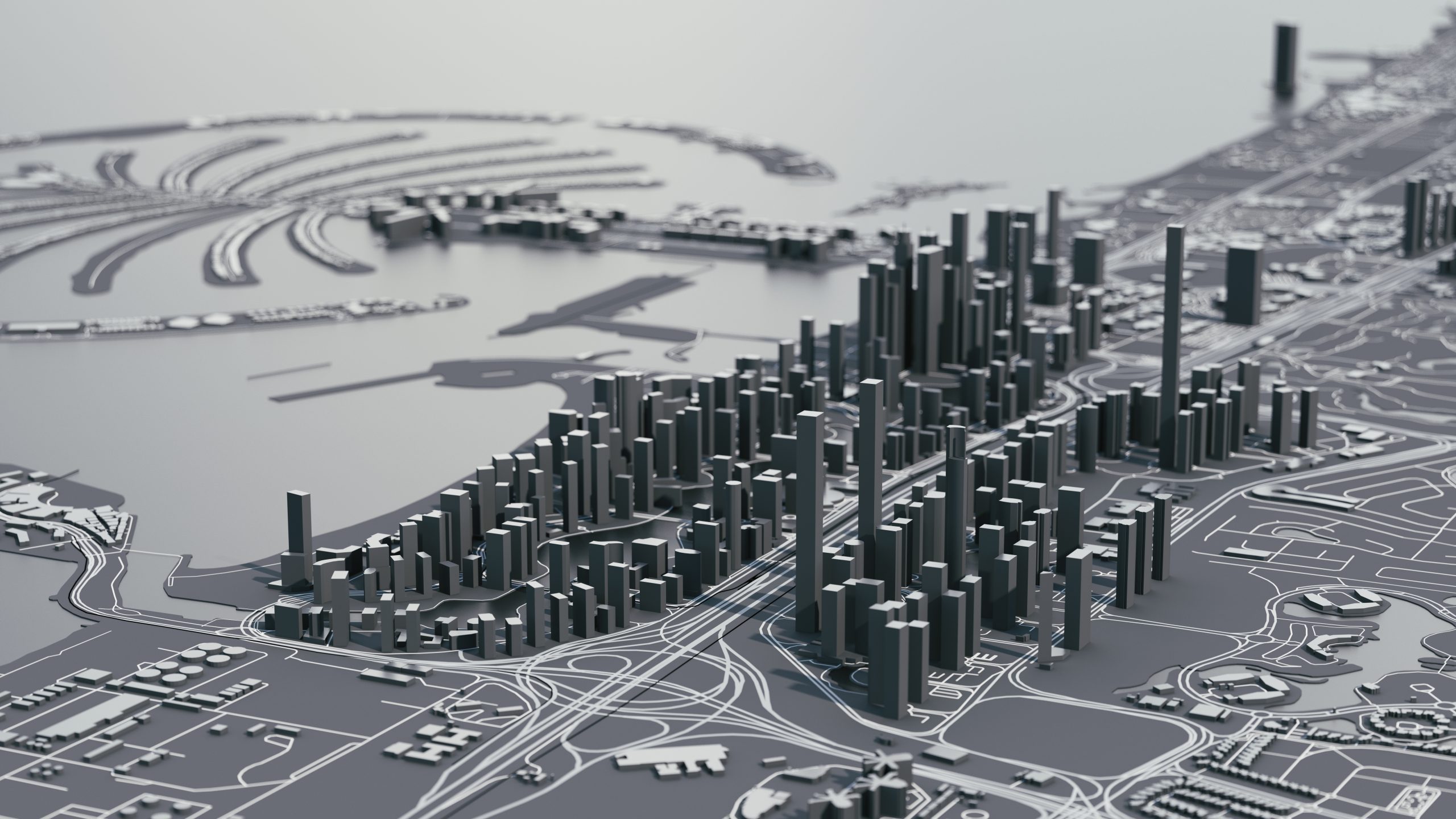
The UAE has always planned all major developments, keeping long-term objectives in mind. What is changing now is the size and extent of that vision. Urban planning is no longer about the construction of roads or towers or the supply of housing. It is about the way in which people create their way of life, their movement, their work and their relationships throughout decades.
Plans such as the Dubai Urban Master Plan 2040, the UAE Net Zero 2050 and smart city strategies at the national level show one clear message. The country is planning for cities that will exist for generations rather than demand in the short term.
Urban planning used to be considered a topic in the government. Today, it is directly affecting homebuyers, tenants and investors. Where you live, how much you pay for utilities, how fast your property value would increase, and how easy it is to rent are all dependent on planning decisions years earlier.
The UAE is not imitating the global cities anymore. It is setting benchmarks, which other countries now study. From smart infrastructure to lifestyle-driven communities, the country is emerging as a global model for how to live in the city.
Now, anyone buying a property would not find it optional to know what the urban planning of the future would look like. It is one of the key factors behind long-term value and quality of life.
What is Urban Planning in the Context of the UAE? (Beyond Roads & Buildings)
Urban planning in the UAE is much more than roads and buildings. However, it deals with the functioning of whole communities as complete environments.
In the conventional development models, land was considered in different zones. Residential areas were put in one place, offices in another place, and retail in some other place. This led to heavy traffic and long commutes, as well as poor community life. The UAE has taken a step away from this approach.
Modern urban planning here is based on master planned communities. These are large-scale developments, and the residential, commercial, green space, transport and lifestyle spaces are planned together from the beginning.
A well-planned community in the UAE typically consists of:
- Different-sized and price range homes
- Retail within walking distance
- Schools, clinics and daily services
- Parks, jogging tracks and open spaces
- Public transport links
- Entertainment & leisure facilities

Government entities are a large part of guiding this process. Dubai Municipality is responsible for planning in Dubai. Abu Dhabi is guided by guidelines established by DMT and the Urban Planning Council. Northern Emirates like Ras Al Khaimah and Sharjah are now introducing long-term master plans of their own.
This level of coordination ensures consistency, is livable, and ready for the future.
UAE Urban Planning Vision: What’s Changing in the Next 10–20 Years
The next two decades will see a transformation in the way residential living will look across the UAE.
Dubai Urban Master Plan 2040 is focused on quality of life and not on endless expansion. The idea of this plan is to enhance the amount of green space, reduce the need to travel long distances, and have most daily needs within a walk or short drive.
Abu Dhabi Vision 2030 puts enormous emphasis on residential density and comfort. Instead of sprawling outwards, the city is making the most of its land while creating better access to amenities and public space.
The Northern Emirates are venturing into structured planning. Ras Al Khaimah is looking at integrated coastal communities. Sharjah is focusing on family-friendly living and cultural spaces. Ajman is working on connectivity and affordable housing clusters.
Another important shift is the change from vertical-only living. While towers will still be important, future planning is concerned with the human scale design. This includes mid-rise buildings, townhouses, low-density clusters and open spaces that promote outdoor living.
The goal is balance. Density without congestion. Growth without pressure.
Smart Cities & Technology-Driven Communities
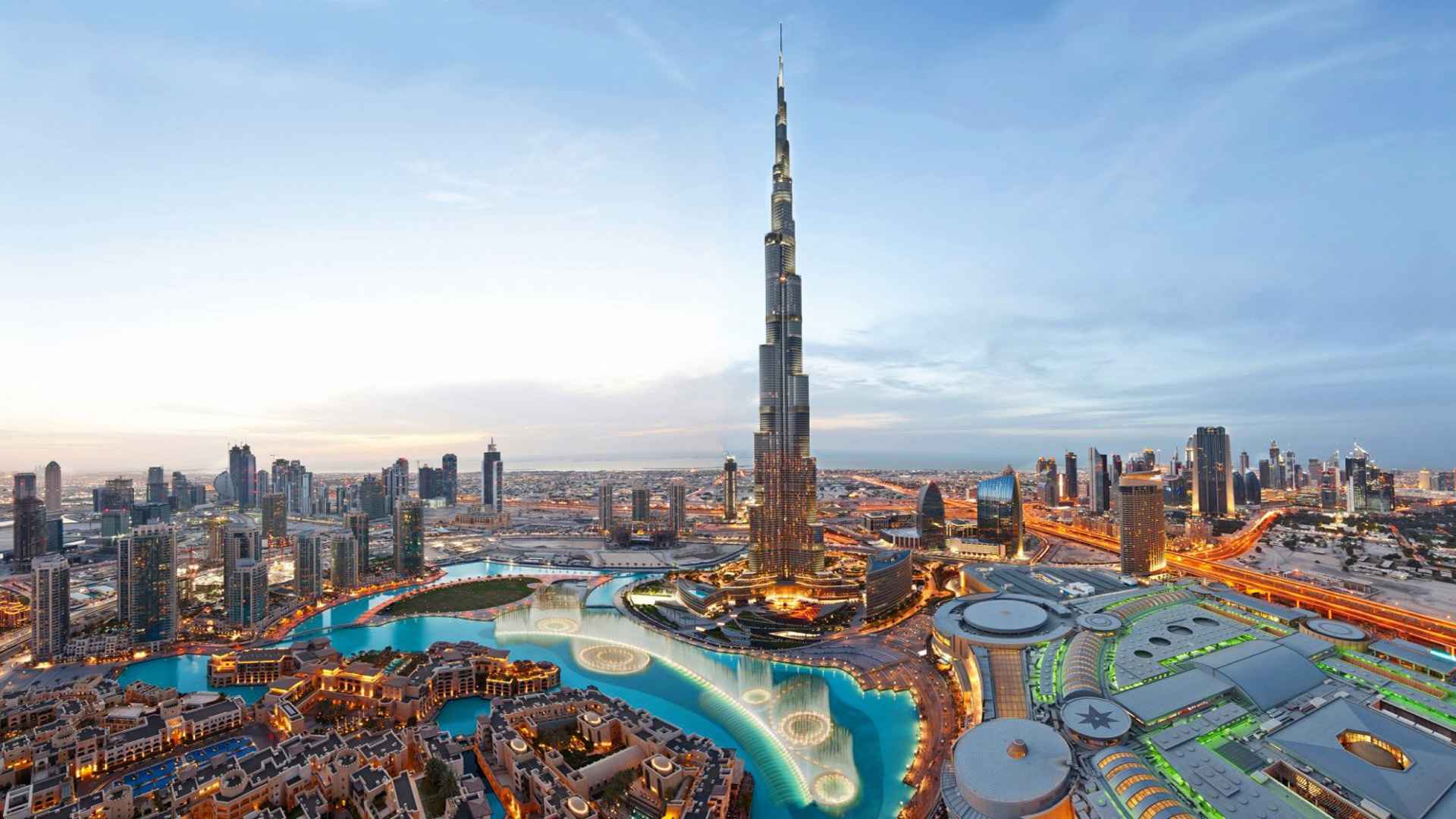
Technology is becoming a fundamental layer of urban planning in the UAE.
Smart homes are not rare anymore. New residential communities are built with smart systems from the start. Lighting, cooling, security and energy consumption can be managed using mobile apps.
At the community level, technology enhances the day-to-day living of people in subtle ways. Smart parking systems save time spent looking for parking. AI-driven traffic systems to improve the flow and safety. Digital access control enhances security without the need for a lot of manpower.
Many new communities now include:
- Central community apps
- Automated maintenance reporting
- Digital visitor access
- Smart waste management
- Dashboards for energy monitoring
Technology is not an add-on. It is constructed in the planning stage. This helps in minimising the cost in the future and improves the efficiency.
For residents, this means convenience and comfort. For investors, it means more attractive tenants and future-proof assets.
Sustainability & Green Living: A Core Pillar of Future Residential Communities
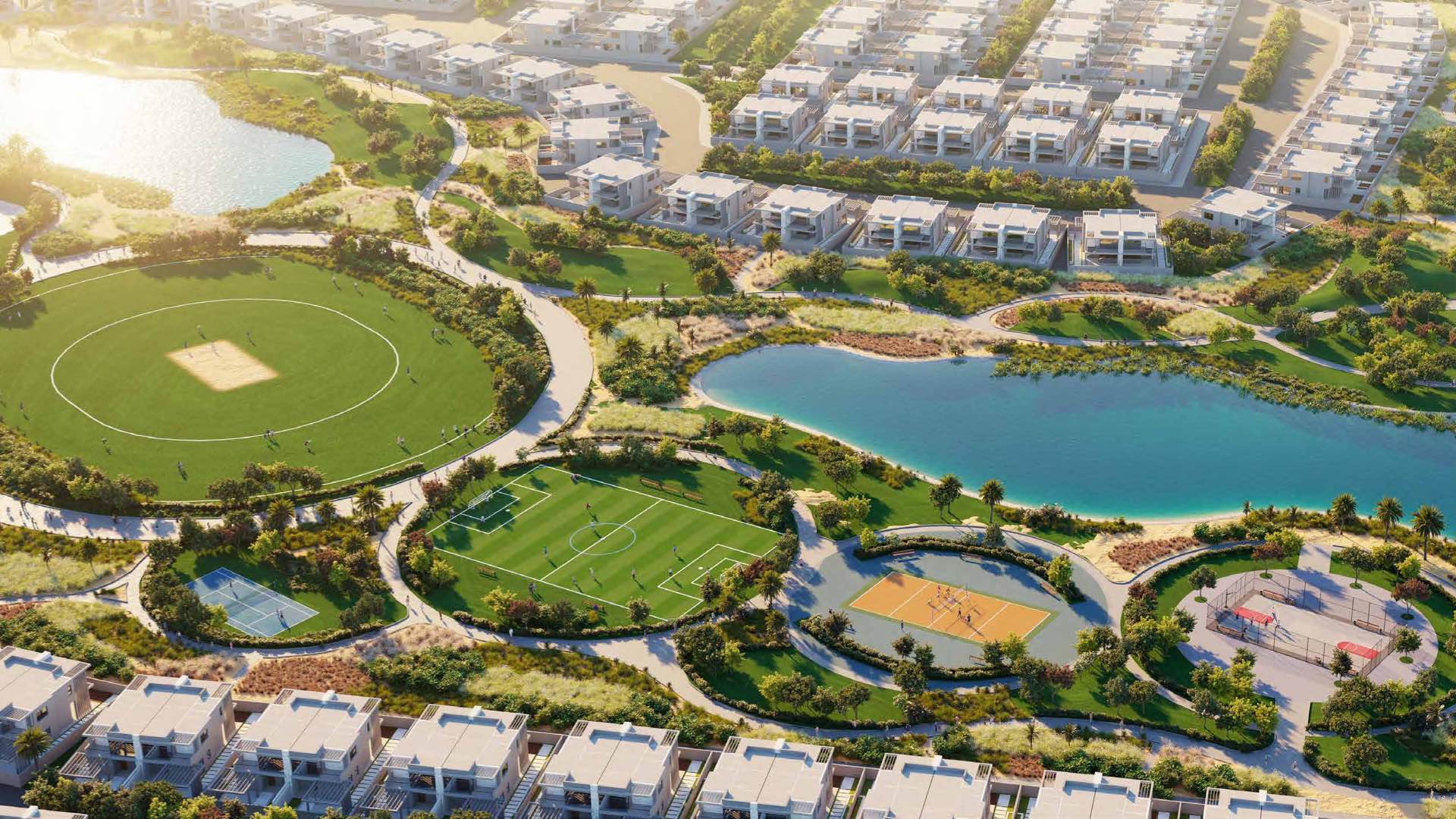
Sustainability is no longer a marketing term in the real estate world of the UAE. It is a planning requirement.
Future residential communities are being designed to use less energy, less water and fewer resources. Building materials are chosen for durability and efficiency. The standards for insulation are getting better. Solar Integration is becoming prevalent in villas and low-rise buildings.
Water conservation is very important in the region. New developments use smart irrigation systems, recycled water systems or drought-resistant landscaping.
Walkable neighbourhoods are another big shift. By being less reliant on automobiles, communities become quieter, healthier and more social.
For the buyers, there are obvious advantages to sustainable homes.
- Reduced electricity and water bills
- Better indoor comfort
- Higher resale appeal
- Stronger long-term demand
Sustainability is also in line with the global expectations of investors. ESG-focused investors are looking more and more to prefer markets that have clear environmental strategies. The UAE is playing a strong hand in this space.
Mixed-Use Developments: Living Where Everything Is Within Reach
One of the most powerful trends influencing residential living is the emergence of mixed-use communities.
These developments integrate homes, retail, office, leisure and services in one integrated environment. Residents are able to live, work, shop, and relax without having to leave the community.
This is in accordance with how people want to live today. Long daily commutes are not attractive anymore. Convenience has become a priority.
Mixed-use communities offer:
- Shorter travel times
- Higher daily footfall
- Increased engagement of the community
- Improved support for small businesses
From an investment perspective, these communities are doing well. Rental demand is higher because of convenience. Occupancy rates continue even when the market slows down.
Retail units are blessed with pre-existing customer bases. Offices are attractive to companies that want lifestyle places for their employees.
Urban planning in favour of mixed-use development builds stable and resilient real estate zones.
Transportation-Led Residential Growth (Metro, Etihad Rail & Beyond)
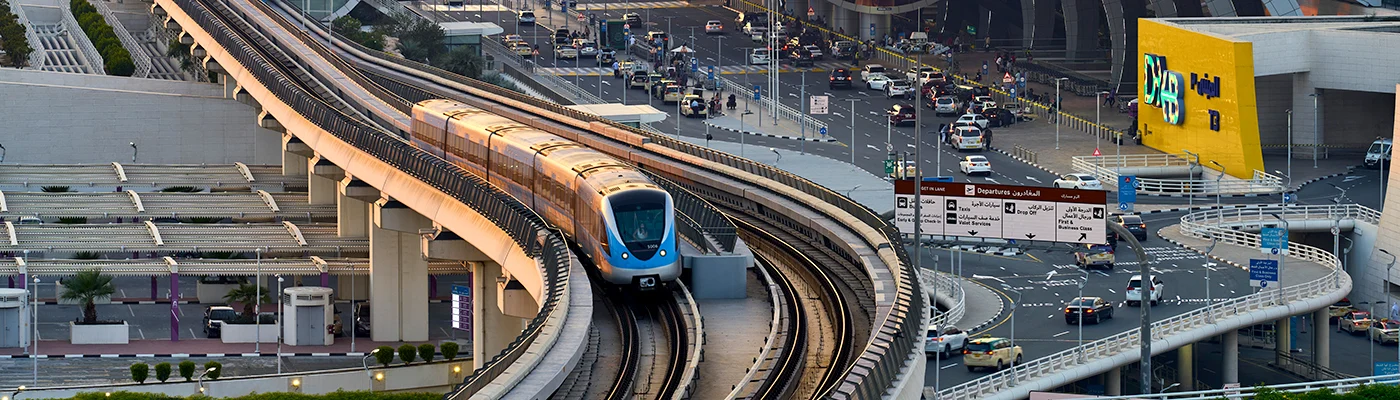
Transport infrastructure has a huge role in property value growth, but many buyers do not pay attention to it.
In the UAE, metro expansions and rail projects are changing the residential demand. Areas linked to metro lines invariably demonstrate greater price rises and rental demands.
Dubai Metro expansion continues to open up new residential zones. Communities with stations nearby benefit from access and increased tenant interest in communities.
Another huge long-term driver is Etihad Rail. While the full impact of it will take time, it will aid suburban living and inter-emirate connectivity. Residential areas that will be near future stations are likely to reap benefit from early adoption.
Transit-oriented developments are becoming more commonplace. These are communities that are designed around public transport hubs and higher density near the stations and walkable services.
For investors, infrastructure-led appreciation provides one of the safest growth paths. Transport projects are government-backed and long-term. When planning for housing is compatible with transport, more predictability is achieved in value creation.
Community-Centric Design: From Buildings to Belonging
Future urban planning in the UAE is moving away from buildings and towards people.
Community-centric design is intended to design places where residents feel connected, safe, and comfortable. Parks, promenades, playgrounds and community centres are not an afterthought. They are central features.
Family-friendly designs for safe and easy movement. Wellness-focused planning is provided with walking paths, cycling tracks, a gymnasium, and outdoor fitness zones.
Social interaction is promoted through common spaces. Cafes, plazas, and areas of events help people naturally come together.
Communities that have good social infrastructure are more likely to do well in the long run. Residents stay longer. Tenant turnover is lower. Property values are stable.
Urban planning in favour of human connection promotes emotional attachment. That attachment translates to long-term demand.
How Future Urban Planning Will Impact Property Prices & Investment Returns
Urban planning has a direct impact on the price of property, even if buyers are unaware.
Planned areas typically perform better than unplanned growth areas. They provide improved infrastructure, more clarity in timelines for development and greater demand for resales.
Early investment in master planned communities often offers the highest degrees of return. Buyers move in before the full infrastructure has been completed. As amenities are opened and connection increases, the price goes up.
Another benefit is price stability. Well-planned areas deal with market cycles better. Demand is still consistent in that the community still provides value above and beyond the property itself.
Off-plan opportunities that are in line with government plans have strategic advantages. When a project is placed within a long-term urban vision, there is less risk.
Understanding planning timelines helps investors make better decisions. It moves risks from short-term speculation to structured growth.
What This Means for Homebuyers vs Property Investors

Future urban planning has different impacts for different buyers based on their goals.
For homebuyers, the benefits are lifestyle-oriented.
- Better quality of life
- Access to daily services
- Safe and family-friendly environments
- Long-term livability
For investors, benefits are performance-driven.
- Stronger tenant demand
- Lower vacancy risk
- Predictable appreciation
- Exit value supported with infrastructure
Both groups benefit from plan-driven development. The difference is in their evaluation of priorities.
Buyers are concerned with their comfort and community. Investors are interested in demand and growth. And smart planning supports both.
Key UAE Areas Shaped by Future Urban Planning (Examples)
Dubai South is built on logistics, aviation and residential integration. Its planning supports the long term employment growth and affordable housing demand.
Dubai Creek Harbour is a blend of waterfront living with sustainable and transport connectivity. It is a clear reflection of Dubai 2040 principles.
Yas Island in Abu Dhabi is a beautiful amalgamation of residential, leisure and entertainment. It is attractive to residents as well as tourists.
Saadiyat Island is about culture, low-density living and high-end lifestyle. Its planning supports long-term exclusivity.
Al Marjan Island in Ras Al Khaimah provides an example of how coastal planning can help drive both the tourism and residential markets together.
Sharjah's sustainable communities are focused on affordability, family life and environmental responsibility.
These areas are successful not due to individual projects, but to planning philosophy.
Role of Developers in Creating the Future of Residential Living
Role of Developers in Shaping Future Residential Living
Developers play a much bigger role when it comes to building buildings. In the UAE, they are one of the driving forces that transform urban planning visions into real communities with people living in them every day.
Government authorities make long-term master plans, but the developers are on the ground to execute them. This includes how land is used, the delivery of infrastructure and how communities operate once the residents have moved in.
Top UAE developers collaborate with planning authorities right from the early stages of a project. Their developments are based on clear guidelines. And concerning density, road networks, green spaces, sustainability standards and community facilities. These projects are designed to fit into a more extensive urban ecosystem rather than separate buildings.
Vision made developers focus on long-term value. They spend a lot of money on internal roads, utilities, landscaping, schools, parks, and retail areas. They plan communities that can grow and remain attractive for decades. These developments tend to have proper community management, phase out properly and follow a consistent design standard.
On the other hand, speculative developments are often built with short-term sales in mind. These projects may sound good on their launch, but have no depth in the planning. Common problems include poor amenities, poor connectivity, overcrowding and poor maintenance planning. In the long run, this could influence livability, rental demand and resale value.
This difference is very important for buyers to know. A project can be in a good location but fail to perform well if not backed up by good planning and infrastructure. Location alone is not sufficient in the UAE market now.
Developers with a respect for planning guidelines also tend to be more reliable with project delivery. They follow approved time lines, liaise with infrastructure providers and time handovers to community readiness. This minimises uncertainty on the part of buyers and investors.
The right developer reduces risk significantly. It improves the quality of the construction, ensures better living within the communities, and increases the likelihood of long term price stability and growth. In a market formed by future-focused urban planning, the developer behind a project is just as important as the project itself.
How Buyers Can Align Their Property Decisions With the UAE’s Urban Future
Buyers need to come to property decisions with planning consciousness.
Key questions to ask include:
- Is the project within a master planned community
- What infrastructure is planned in the area
- How will access to transport improve
- Which amenities are guaranteed, not promised
- Who operates the community in the long term
Red flags are poor connectivity, lack of green spaces and uncertain development phases.
Professional advice is important. Experienced advisors are familiar with planning documents, timelines and government strategies. This insight is good for buyers to avoid costly mistakes.
Expert Insight: Why Urban Planning Is the Hidden Driver of Long-Term Value
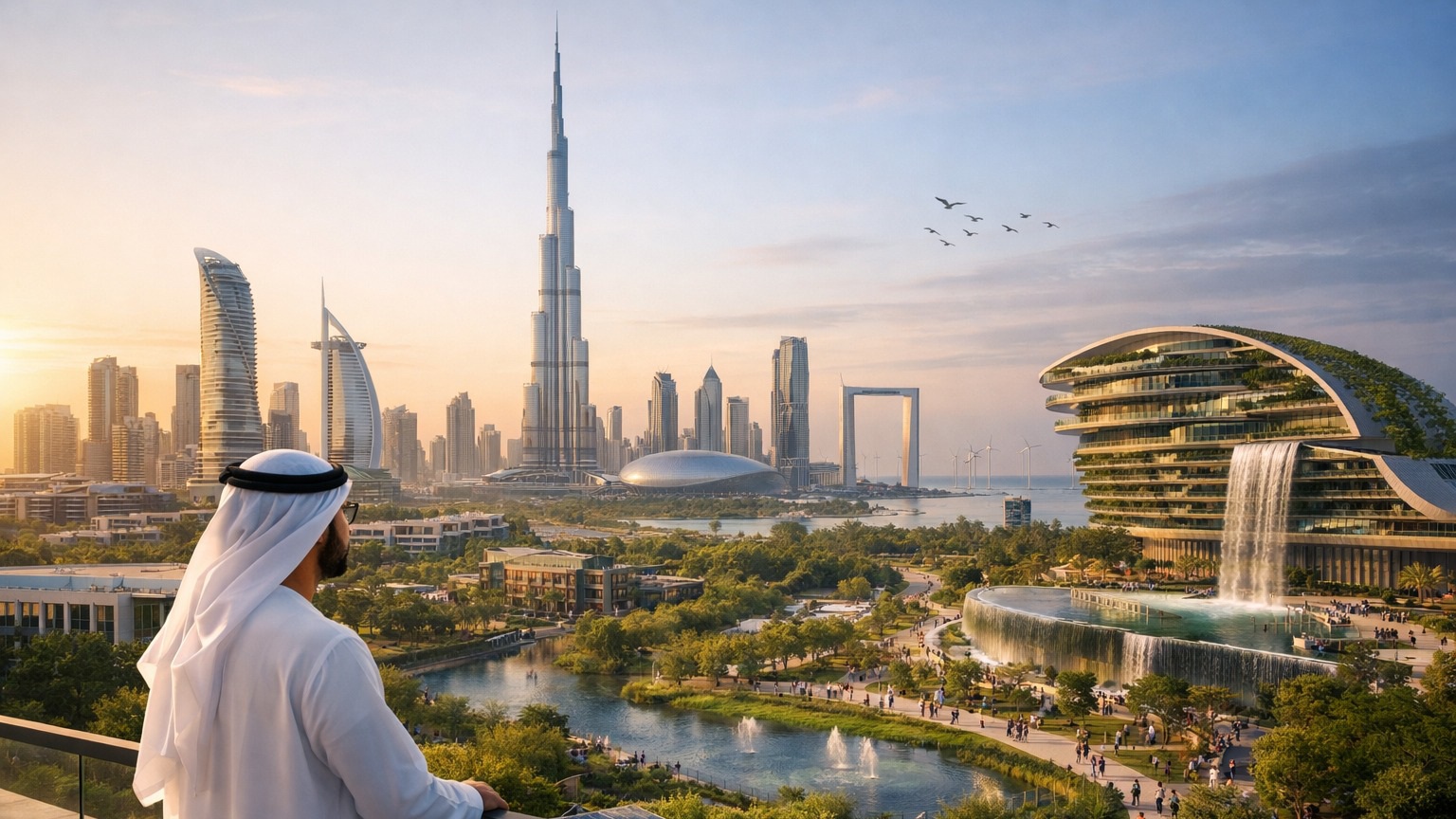
Years of observing UAE real estate cycles indicate there is one consistent pattern. Infrastructure and planning are always the leading values.
Areas that are served by transport, amenities and government are more successful than speculative areas. This is true regardless of the highs and lows in the market.
Urban planning is a topic that is usually invisible to first-time buyers. Yet it is quietly influencing demand, price and liquidity.
Understanding this hidden driver is the difference between being an educated buyer and one who is reactive.
Conclusion: The Future of UAE Residential Living Is Being Built Today
The UAE is building cities for the future with rare clarity and commitment. Urban planning is shaping not just skylines, but lifestyles and wealth creation paths. From sustainability to smart infrastructure, the country is setting global standards. For buyers and investors, the biggest advantage comes from acting early and acting informed.
Future-ready communities offer more than homes. They offer stability, growth, and quality of life. Those who align their decisions with the UAE’s urban vision will benefit the most in the years ahead.
If you want to explore future-focused communities or make data-driven property decisions, speaking with experienced market professionals can make all the difference.