
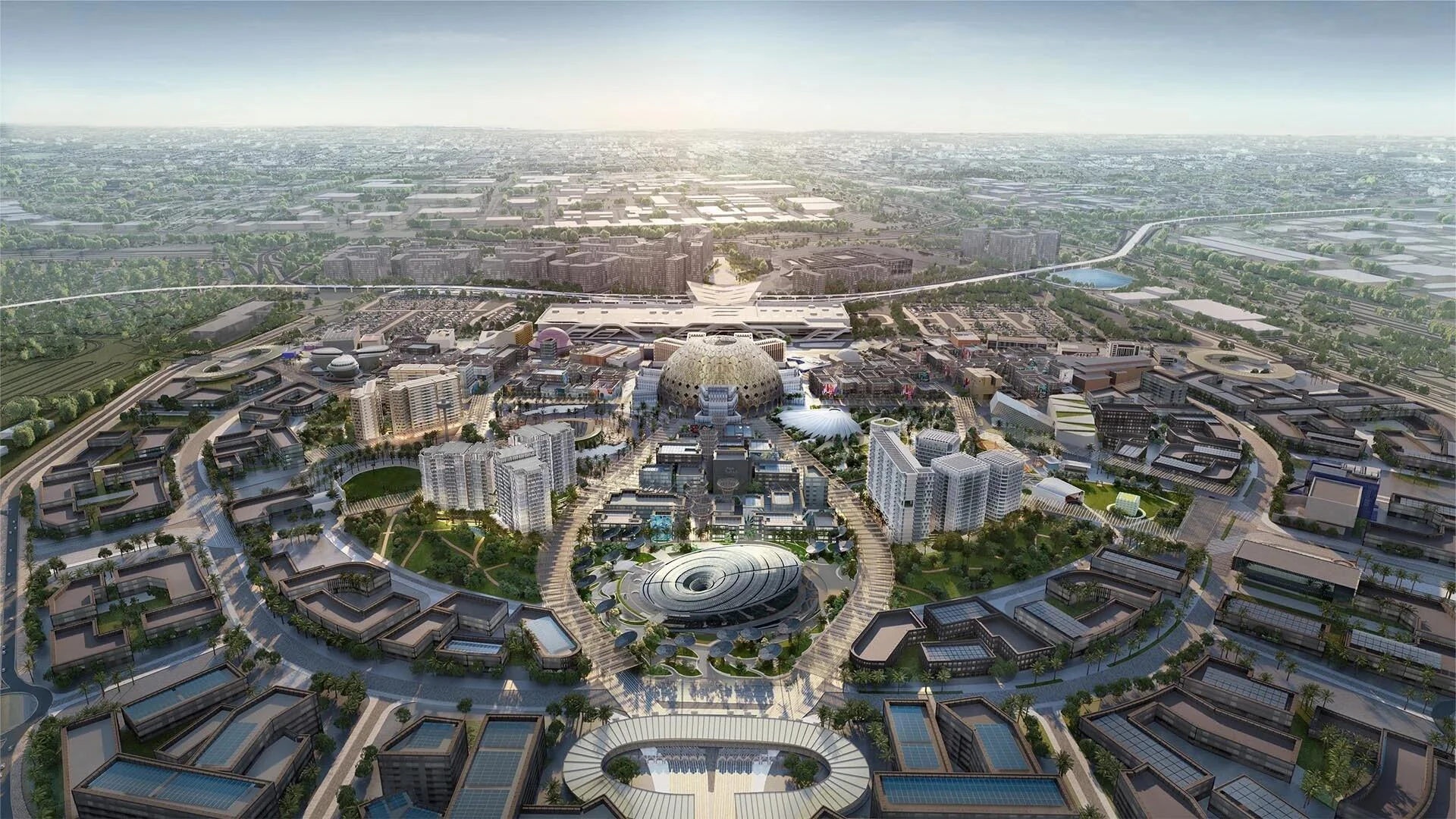
The UAE's Vision for the Next Decade
The UAE has progressed from quiet desert towns to one of the most advanced countries on the planet. And all of it is in a matter of decades. People like to discuss this shift as if it were a miracle. It was not. It was planning, ambition and a long game which the country still plays. The next decade will drive this transformation to the next level. New cities, new economic sectors and bold ideas are emerging at this very moment.
Mega projects are at the core of this story. They are not just enormous buildings or fancy things. They are engines for economic diversification and preparing the UAE for a future that is not reliant on oil. Every major development links up with the long-term national frameworks such as Vision 2030 and Vision 2040. These visions are designed to create communities that work smarter, are better in terms of resources and provide the kind of lifestyle that many people believed would be achievable only in science fiction.
Real estate thus becomes the backbone of this ecosystem. When a new mega project comes up, it attracts new residents, new businesses and new infrastructure. Homes, offices, hotels and entire districts start to develop around it. As a result, the future of UAE living is very dependent on the next generation of mega-scale developments, now on the way.
What Is a Mega Project in the UAE?
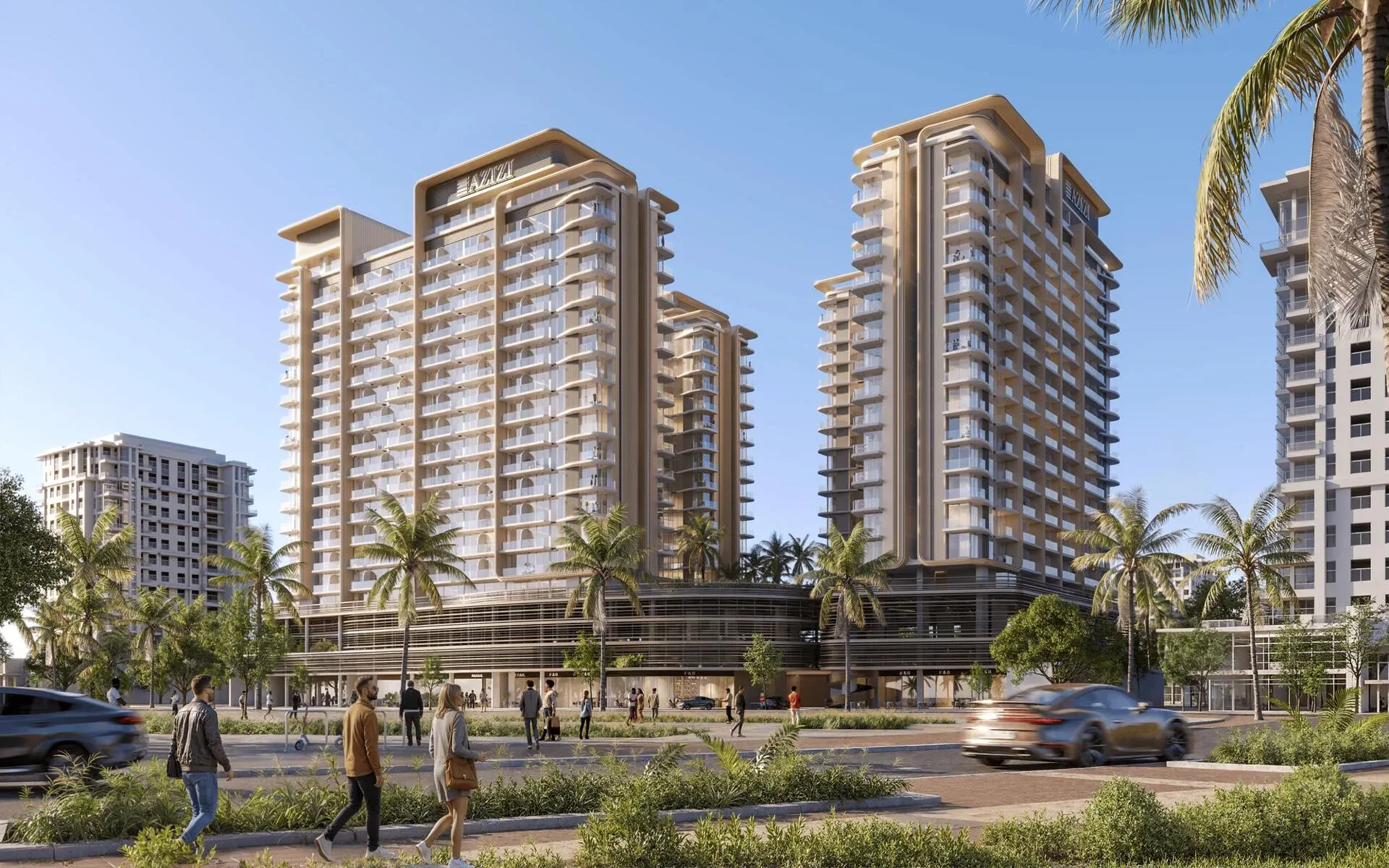
Mega-projects in the UAE are not just giant construction sites. These developments typically involve billions in investment. And broad urban planning and long-term visions that cut across many industries. A project may be a new island, an entire cultural zone, a large smart city or a district that is designed to attract millions of visitors a year.
Technology becomes an essential ingredient. Smart houses, interconnected infrastructure, autonomous mobility lanes and clean energy grids are part of the design from the beginning. Sustainability is no longer optional. Developers must consider energy consumption, water treatment, reduction of carbon emissions and natural ecosystems. Tourism, logistics, technology and luxury real estate are intermingled in a single master plan.
Global investors pay close attention to announcements of UAE mega projects. Every time the government reveals a new development, it is an indication of shifting the long-term priorities. It typically generates new cycles of prices as well. Investors are aware that there is a high potential for solid returns once infrastructure and population growth take off by early entry into these zones.
Top 2025–2035 Future Mega Projects to Transform Life in the UAE
Below are the most influential projects that are expected to redefine the way people live, work, and invest in the country. Each one is accompanied by its own character and opportunities.
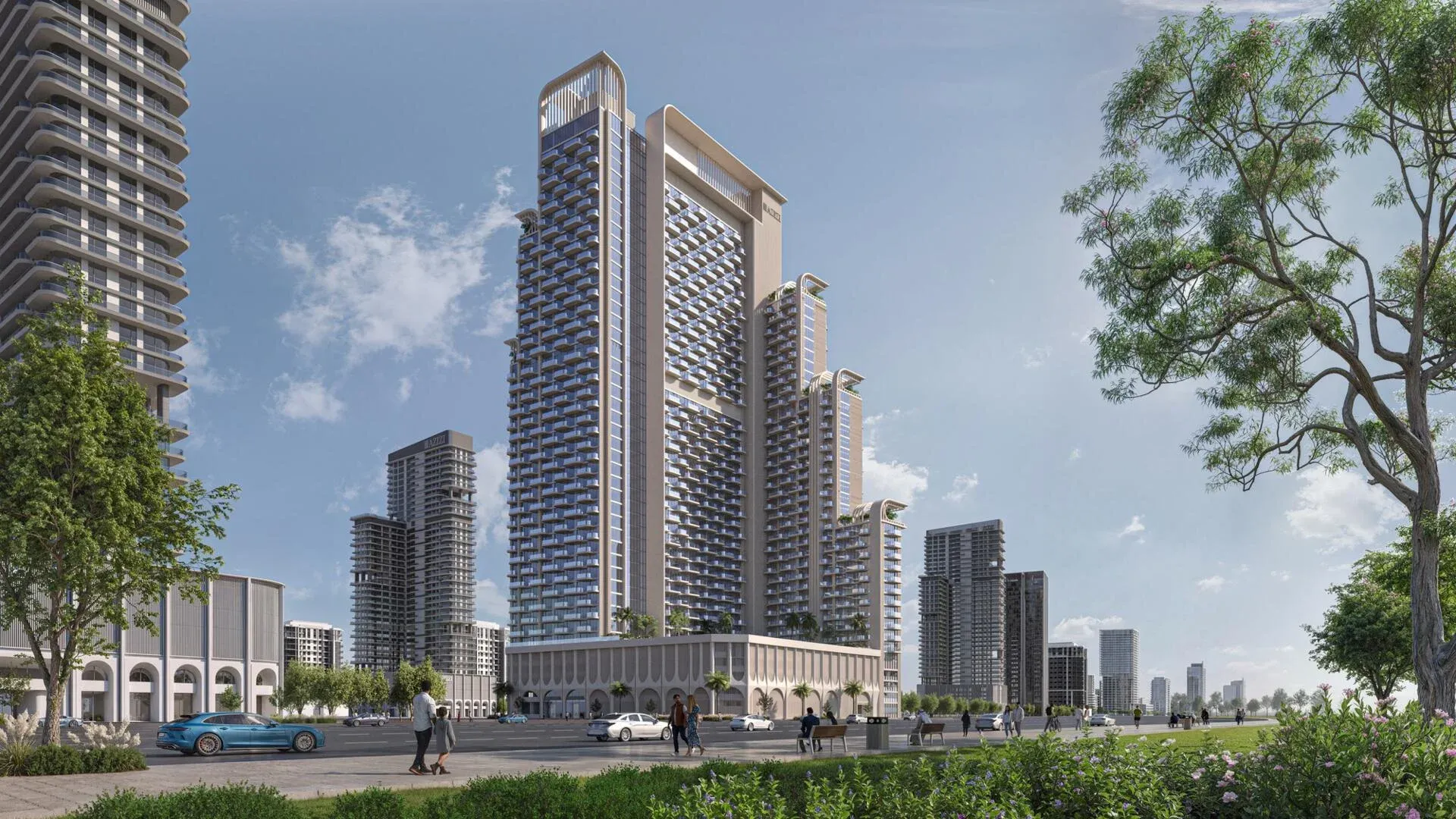
Dubai Urban Master Plan 2040: New Dubai's Blueprint
Dubai is developing for its next twenty years with a carefully mapped-out urban plan. Instead of unlimited growth, the emphasis is changing to balanced communities. The city will expand around five new city centres that will spread economic activities more evenly. Residents will have access to parks, beaches, mobility centres, and walkable districts without having to take long commutes to get there.
Green mobility takes centre stage. More public transport, cleaner energy systems, and shaded pedestrian routes will be seen all over major communities. A major addition to this vision is the Dubai Metro Blue Line, currently under construction and set to open in 2029, adding 30 kilometres of new track and 14 new stations connecting key areas, including Dubai Creek Harbour, Silicon Oasis, Academic City, and Mirdif. This change will affect property prices as well. Homes in transit-connected areas will likely increase in value to a greater degree.
Districts such as Jumeirah, Downtown, Academic City, and Silicon Oasis are set to undergo significant changes in the future as the plan is implemented.
Dubai Creek Harbour Completion Phase
Dubai Creek Harbour has been under development for several years, and 2026 is shaping up as a landmark year for the community. It has been designated as one of three zones for the UAE's autonomous transport pilot, featuring multiple self-driving transport modes, including the Dubai Metro, an autonomous bus, a logistics vehicle, a road-cleaning vehicle, a delivery robot, and an autonomous water taxi — with robotaxis already rolled out to the public in Q1 2026.
On the construction side, Emaar confirmed in January 2026 that a tender for the newly redesigned Dubai Creek Tower will be issued within three months, formally reviving the project after it was paused for design revisions. At the heart of the district is Dubai Square, launched in late 2025 and currently under construction, with an expected opening in approximately three years.
When compared to the early days of Downtown, many consider that Dubai Creek Harbour is the next big lifestyle hub. Investors are looking forward to a good ROI when the community matures. More retail, more transport links, and more residential clusters will bring in long-term residents. Water views usually have a value over the long term. Once the community is fully completed, property prices may take the same growth trajectory as <u>Dubai Marina</u> and Downtown in previous years.
Palm Jebel Ali: Relaunched and Expanded
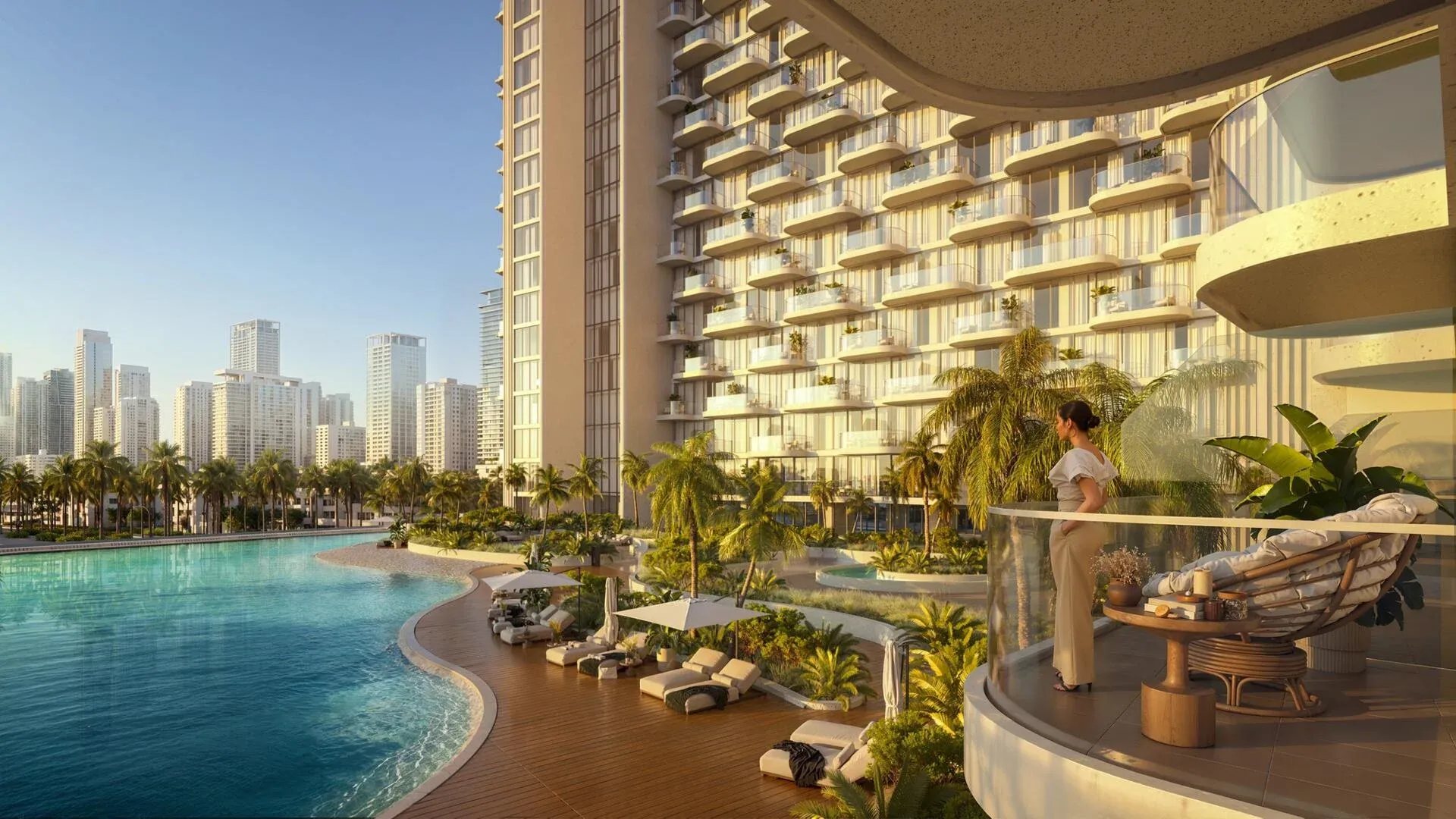
Palm Jebel Ali is having a new lease on life. The relaunch is one of the most ambitious coastal expansions in the region. The island spans 13.4 sq km across 16 fronds, with 91km of beachfront, and will eventually be home to 35,000 families. It will be built keeping sustainability in mind, with eco-friendly beachfront houses, health-conscious districts, and energy-efficient villas. Nakheel has revealed that AED 750 million of major infrastructure works are scheduled to be completed by the end of 2026, and the first villa handovers on the island are expected in late 2027.
Palm Jebel Ali is still in its early stages, and prices are still attractive when compared to its famous sibling, Palm Jumeirah. As infrastructure builds up, it is likely to push up demand significantly. Those who get in early might be able to take advantage of appreciation down the road when the island is a full lifestyle destination.
The Dubai Mangrove Project
Imagine a whole area of a city built around natural mangroves. That is the concept of the Dubai Mangrove Project. It combines environmental restoration and modern living. The community will be a biodiversity supporter, with reduced carbon emissions, and it will provide residents with a peaceful and nature-rich lifestyle that will feel completely different from urban centres.
Tourism and real estate will go hand in hand here. Visitors will come for eco tours, water trails, and conservation experiences. Residents will enjoy low-density neighbourhoods where there will be greenery instead of concrete. Demand for sustainable living in Dubai is on the rise throughout the UAE, and this project fits right in with it.
Dubai Reefs: The World's Biggest Ocean Restoration Project
Dubai Reefs is one of the most ambitious ideas the city has ever had. It wants to create a massive floating platform that will be home to ocean life while hosting research centres, ecotourism spaces, and homes with views overlooking the sea. The development will include coral nurseries, marine habitats, and underwater experiences.
People are mesmerised by the concept of underwater-themed living. It is unusual, futuristic, and connected with conservation. Waterfront communities in Dubai already do well in terms of property value. Dubai Reefs may take the concept to a new level. Investors watching long-term lifestyle trends are keeping a close eye on it.
The Agri Hub in Dubai
Agritourism is rapidly growing on a global scale, and Dubai is aiming to establish an environment that will make agritourism a lifestyle choice. The Agri Hub will be home to farms, wellness resorts, nature trails and sustainability education centres. Families who desire to escape city life will find quiet retreats that still have comfort and modern amenities.
Eco resorts and nature-themed communities are driving big demand for rentals, particularly by tourists who are looking for slower and healthier living. The Agri Hub is looking to create a new space in the UAE market where farming, wellness and hospitality can come together. The project may be attractive to those investors seeking exposure to new tourism styles.
Saadiyat Cultural District Finalisation in Abu Dhabi
Saadiyat Island is already well known for the Louvre Abu Dhabi. The next phase will include the addition of the Zayed National Museum and the Guggenheim Abu Dhabi — both now expected to open in 2026 — along with several other world-class institutions. Guggenheim Abu Dhabi boasts 42,000 square metres of exhibition space, making it the largest Guggenheim in the world, designed by Pritzker Prize-winning architect Frank Gehry. Once completed, Saadiyat will be one of the most important cultural zones in the world, not just in the region.
This will bring a surge in tourism as well as educational trips and long-term cultural residency. Rental demand is predicted to increase as soon as construction is complete. Properties around Saadiyat Island often have a strong value because of the luxury appeal of the island and its clean environment. Investors are counting on further price increases as the cultural district becomes fully operational.
Masdar City Expansion – The Model of Carbon-Neutral Living
Masdar City began as an experiment. But it is becoming a model for sustainable urban living. The expansion will include new residential clusters, smart offices, research labs and mobility networks. Everything here is based on the concept of clean energy and efficient resources.
Residents will have autonomous shuttles, smart waste systems, solar-integrated buildings, and low-carbon living. The city is appealing to tech and science professionals who are looking for homes close to their workplaces. The demand for green homes in the UAE is also increasing, particularly from global investors who are inclined towards sustainable assets. Masdar City lies at the centre of this movement.
Reem Mall & Reem Downtown Abu Dhabi
Reem Island is still developing, and the latest additions will make it a full-fledged mixed-use district. Reem Mall brings giant indoor attractions, modern shopping, and family entertainment centres. Reem Downtown is supporting this with new residential towers, waterfront promenades and community parks.
Together, these zones will form a city within a city. Young professionals, new families and long-term renters already vote for Reem Island because of its location. As the master plan increases, demand will likely increase further.
Sharjah Waterfront City Phase 3
Sharjah has quietly assembled one of the biggest coastal developments in the area. Sharjah Waterfront City is spread over several islands and provides affordable luxury living. Phase 3 is devoted to new residential clusters, green promenades and shopping districts.
Families living in Sharjah seek a balanced lifestyle and budget-friendliness. Many residents who work in Dubai choose the coastal zones in Sharjah for better prices and bigger houses. As Phase 3 progresses, there will potentially be greater rental demand and higher long-term value to the area.
Ras Al Khaimah: Wynn Al Marjan Resort & Surrounding Masterplan
Ras Al Khaimah is bracing for a major tourism boom. The Wynn Al Marjan Island resort will be the region's first integrated gaming and entertainment complex. The $5.1 billion, 70-storey tower topped out in December 2025 at 283 metres of structural concrete, with its spire installation in 2026 set to push its full height to 352 metres — making it the tallest structure in the Northern Emirates by more than 100 metres. The resort is now on schedule for a Spring 2027 opening, featuring 1,530 rooms and suites, 22 dining venues, a theatre, luxury retail and a marina. A second resort, Janu Al Marjan Island by Aman Group's sister brand, has also been announced and is now under construction, with a planned 2028 opening.
Al Marjan Island's property values have surged 16.8% year-on-year, with off-plan sales dominating transactions, reflecting strong investor confidence in the tourism projections. Hotels, villas, retail channels and recreation spots continue to expand around the resort. This one project alone may transform the entire economic picture of the emirate.
Ajman Marina and Creekside Future Zones
Ajman is emerging as one of the most affordable markets in the UAE for investment. Ajman Marina will introduce a new lifestyle of waterfront apartments, leisure areas, and a vibrant café promenade. Creekside zones will bring new communities of families and long-term residents.
Handovers throughout these projects will be carried out in stages. As the developments come to fruition, Ajman could become a compelling secondary market in the UAE real estate landscape that was previously viewed as undervalued.
New Additions Worth Watching
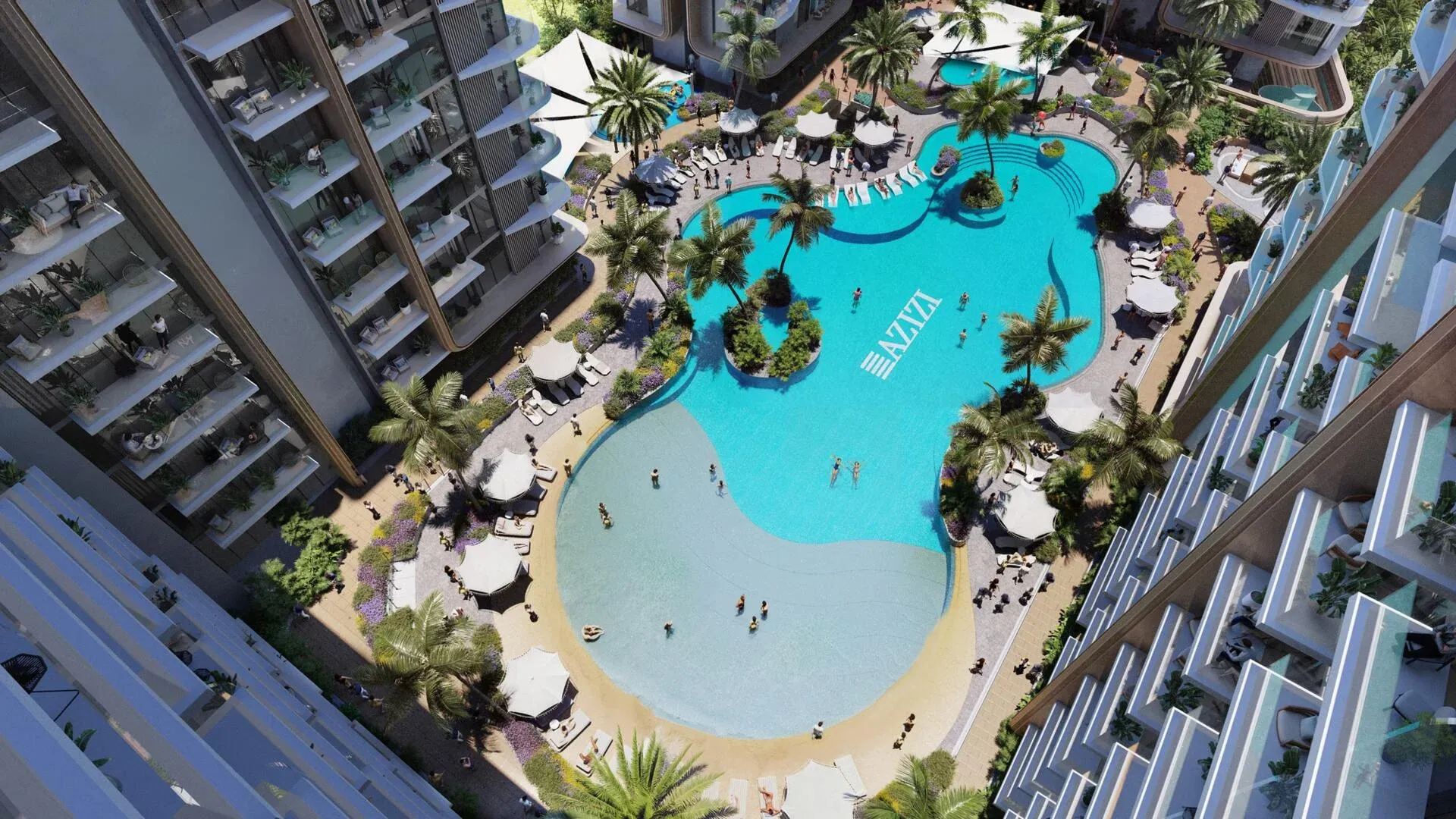
Two new projects have gained significant attention heading into 2026. The Dubai Museum of Art (DUMA), unveiled by HH Sheikh Mohammed bin Rashid Al Maktoum, will literally rise above the waters of Dubai Creek. Designed by world-renowned Japanese architect Tadao Ando, it is not just a space for art exhibitions — the museum itself is a masterpiece. Additionally, Ghaf Woods by Majid Al Futtaim will introduce 35,000 trees to Dubai, becoming the first-ever forest-living community in the heart of the city. It covers 738,000 square metres near Global Village and is set to be released in eight phases between now and 2031. Both represent a clear shift toward experience-led, nature-integrated living.
Technologies That Are Shaping the Future of the UAE's Mega Developments
Technology has become a key component of the UAE's infrastructure. It informs planning, designing and living in new communities.
AI enables smart city systems responsible for managing traffic, energy distribution, home automation and safety in the city. The Dubai RTA unveiled Glydways at the World Governments Summit 2026 — an autonomous electric vehicle that runs on narrow, dedicated tracks, transporting four to six passengers at speeds of 50km/h with the capacity to move over 10,000 passengers per hour in each direction. Flying taxis are also on their way, with Joby Aviation operating in Dubai and Archer in Abu Dhabi, targeting commercial passenger services imminently. Planners also use digital twins — virtual copies of entire neighbourhoods — to model the operation of buildings, traffic and resources even before actual construction starts.
Solar energy systems are being installed directly into building structures. Robotics help with large-scale construction jobs, making sites safer and more efficient. Waste-to-energy systems are going to help change the community's trash into usable power. Together, these technologies will make the district operate cleanly and quietly, with less stress placed on resources.
Sustainability as a Pillar of UAE Next Gen Developments
Sustainability is no longer an advertising term in the UAE. It is a requirement. Developers stick to green building codes that ensure lower emissions as well as more efficient materials. New communities strive for net zero, where energy is used and carbon is emitted at an equilibrium over a period of time.
Water recycling plants, sources of renewable energy and eco-friendly transport options are becoming the norm throughout mega projects. The blue carbon system — which involves the protection of coastal ecosystems like mangroves — helps the UAE fight climate change naturally. The Dubai 2040 Master Plan has mandated a 105% increase in green and recreational spaces, making sustainability a core pillar of every new development.
These commitments make new developments more appealing to people who wish to live healthier, cleaner lifestyles.
How Mega Projects in the Future Will Affect UAE Real Estate Demand

As these new districts emerge, the patterns of demand across the market will change. Areas close to mobility centres, cultural areas, communities based on nature and coastal master plans will likely see high appreciation. Buyers are more interested in smart homes in Dubai that save time, energy and money. Walkable communities, wellness-focused neighbourhoods and eco-friendly living are in vogue.
Global investors are already ratcheting up their activities. Many consider the UAE to be one of the safest and most forward-looking markets. Rental trends are expected to increase near large cultural, entertainment and waterfront projects.
Investor Insights: Where the Opportunities Lie
Mega projects always create new investment windows. Early stages often come with lower prices and flexible payment plans. Investors who study timelines closely can secure strong capital gains once roads, schools, and commercial areas are finished.
Waterfront properties, cultural district homes, sustainable communities and smart city clusters are expected to lead in appreciation. Off-plan units linked to large master plans tend to provide attractive entry points. However, timing matters. Early entry can bring a strong ROI. Delayed entry may reduce upside potential as prices climb with construction progress.
Difficulties and Considerations for Investors
Even the best markets have their challenges. Some mega projects encounter unforeseen delays. Investors have to look at developer track records and government approvals. Regulatory updates may make changes to eligibility rules or ownership processes. Large projects are also highly reliant on infrastructure. If road networks, transit stations or utility systems are delayed, then overall handovers can be slowed down.
Sustainability standards can increase construction costs for developers, which can sometimes translate into increased prices for buyers. Investors need to study these factors to make informed decisions.
How FP Property Can Help Investors when it comes to Future Mega Projects
FP Property works closely with developers and monitors the progress of the projects from early planning through to handover. Investors are provided with advice on off-plan properties, due diligence support and information on future launches. The team assists buyers in aligning their goals with appropriate timelines, types of assets and amounts of risk.
Access to verified information will become imperative when making choices from large master plans.
Conclusion: The Next Era of Living in the UAE Is Already Brought On
The future of the UAE is not a generalised concept. It is being built right now. Mega projects in Dubai, Abu Dhabi, Sharjah, Ras Al Khaimah and Ajman are influencing a new style of living. They combine nature, culture, technology and sustainability in ways the world is only now beginning to take notice of. These developments will affect urban standards throughout the world and attract new waves of residents, tourists and investors.
The people who move early often benefit the most. The next decade will be full of opportunities in emerging districts — from Palm Jebel Ali villas delivering in 2027 to the Spring 2027 opening of Wynn Al Marjan Island and the revival of the iconic Dubai Creek Tower. Anyone who wants a role in this new era should be watching the market closely and getting into position at prices that are still in early growth cycles.