

The UAE real estate market has undergone a significant change in the past decade. Earlier, success was measured by the number of towers that a developer could build or the number of units that they could launch in a single phase. Bigger numbers were often the key to bigger visibility. That attitude is gradually changing.
Today, many developers in the UAE are no longer volume-led and are taking the value-led approach. Instead of constructing thousands of similar units, they target fewer homes that are of better quality, better design, and have stronger long-term appeal. This is where limited edition projects come in.
Limited edition development is no longer a marketing term. They have become a strategic choice. Developers are using scarcity as a means of protecting the value, attracting more serious buyers, and standing out in a competitive market.
This trend can be seen throughout the UAE. Dubai leads the way in the form of boutique beachfront towers and ultra-luxury branded residences. Abu Dhabi is next with low-density island living and planned premium communities. Ras Al Khaimah is also experiencing an increasing number of exclusive villa clusters and small luxury resorts in relation to lifestyle and growing tourism. The core idea is simple. Fewer units, done well, often work better in the long run than large-scale projects built to make quick sales.
This blog explains why some developers only focus on these limited edition projects, what sets these developments apart, and how buyers can look at the projects from a practical point of view.
What Is a Limited-Edition Real Estate Project?
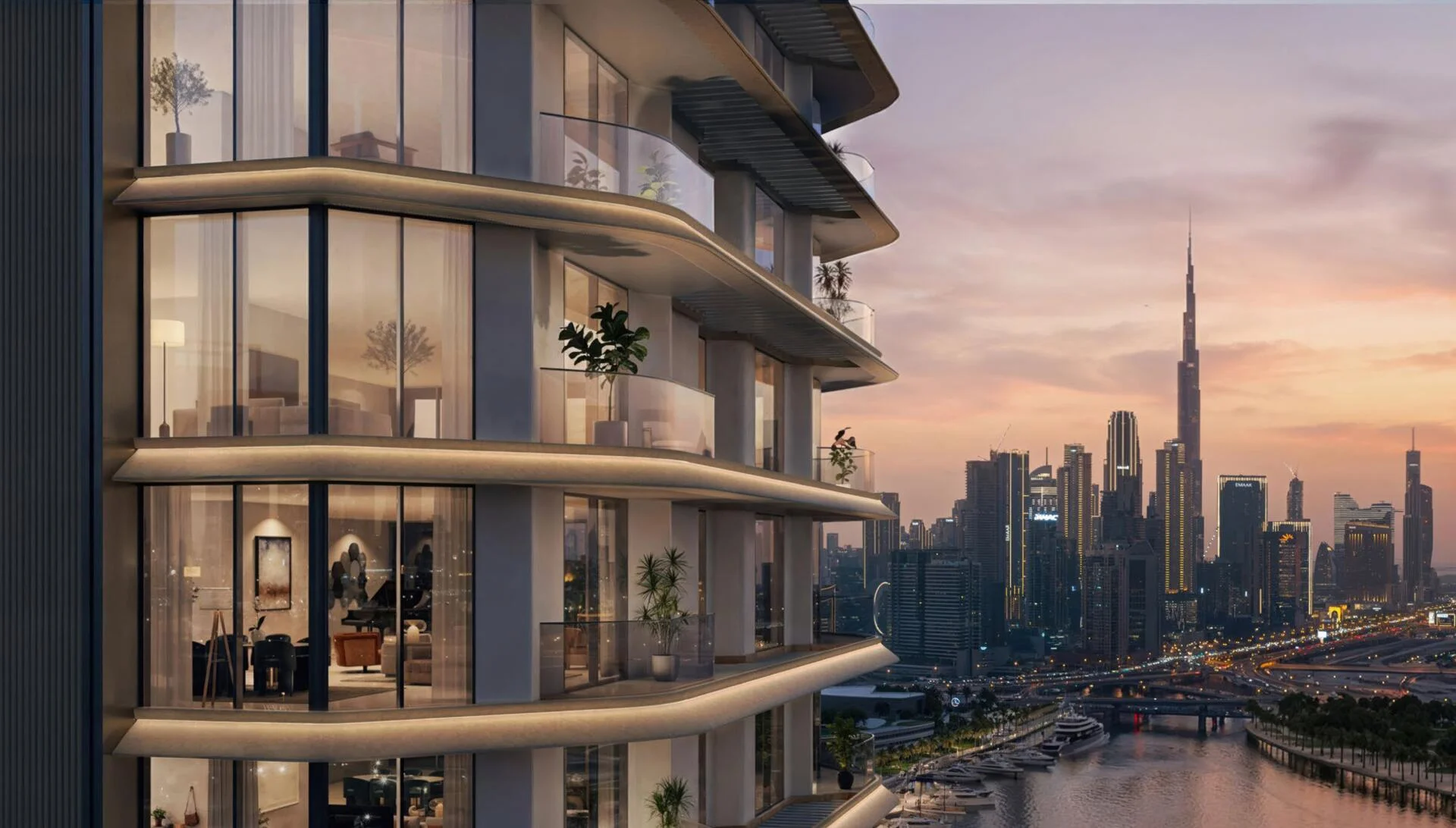
A limited-edition real estate project is one in which the actual number of units is intentionally kept low. The limitation is not by accident but on purpose. The developer plans the project right from the beginning to remain small, exclusive, and in control.
To understand this better, it helps to compare this with other types of development.
Mass market developments typically involve hundreds or even thousands of units. These projects have a broad base of buyers. Pricing is competitive, layouts are repetitive, and the emphasis is on speed and scale.
Boutique developments are in the middle. They are smaller in scope than mass projects but also still have a broad appeal. Design quality is better, but there could be many similar units.
Limited edition or ultra-limited projects go in a different direction. These developments typically have 20 to 150 units. Some villa projects may have even fewer homes. Each unit is often different, even if they are in the same building.
Common formats are private mansions, boutique residential towers, branded residences, low-density island villas, and waterfront buildings with a limited number of floors.
The important feature is not only the number of units. It is the intention to create scarcity, uniqueness, and long-term value.
Strategic Reason #1: Scarcity Creates Long-Term Asset Value
Scarcity is a very powerful factor in real estate value. When the supply shrinks and the demand remains high, the prices tend to hold better over a period of time.
In limited edition projects, there is only a limited number of units, so supply will be limited by definition. Even if the market slows down, the owners don't have a problem being sold or rented out, as there is less competition.
This has three major areas of influence.
The first is capital appreciation. Limited supply often results in better price growth in the long run, particularly in prime locations. The buyers know that similar units will not continue entering the market.
Second is resale demand. When there is a small number of units available, resale listings are not common. Serious buyers often are willing to wait or pay a premium price when one comes up.
Third is rental premiums. Tenants seeking privacy, views, or unique layouts are generally willing to pay more for something that they cannot easily replace.
In oversupplied communities, the opposite occurs. Many similar units compete with one another. Owners sell at low prices to attract tenants or buyers. Value becomes unstable in market corrections.
Fewer units also bring more resiliency to the price. During market cycles, the smaller project will tend to see less of a price fall than the larger development that has heavy inventory. This is not hype. It is simply supply and demand applied over time.
Strategic Reason #2: Design Freedom Without Compromise
Limited-edition projects give developers creative freedom that a big-scale development cannot afford. When a developer is building hundreds of units, efficiency is the priority. Layouts need to be standardised. Materials are chosen according to control. Design risks are avoided. With fewer units, the rules change.
Developers can afford to build more high-quality homes since the costs are distributed across fewer homes of a higher price point. They can be tailored to a particular view, privacy, and lifestyle rather than fitting everyone into the same plan.
Non-standard floor plans are made possible. Ceiling heights can vary. Different units can be of different orientations. Private elevators, customised terraces, and flexible living spaces are easier to implement.
This is also limited in scale, allowing developers to experiment with architecture, materials, and amenities. So they can use natural stone, custom wood finishes, or unique facade designs, without concern for mass replication costs.
Amenities can be more personal in nature. Instead of big communal gyms or crowded pools, private lounges, wellness rooms, or rooftop spaces for quiet use may be available to residents.
Mass projects simply cannot provide this kind of flexibility without compromising financial efficiency.
Strategic Reason #3: Targeting a Specific Buyer Profile
Limited-edition projects are not for everyone. They are constructed for a certain kind of buyer.
Most of these developments are targeted at high net worth and ultra-high-net-worth individuals. These buyers are less price sensitive and more value-oriented. They care about privacy, who they are, and what they share with the world is their lifestyle.
Many in this segment of buyers are end users rather than short-term investors. The plan is to live in the property or to hold the property within the family. Their decisions are motivated by comfort, design, and long-term satisfaction.
Lifestyle-driven buyers do play a big part, too. These are folks who care about quiet neighbourhoods and fewer neighbours and feeling ownership that is personal and not generic. For such buyers, it is not the discounts that matter but the exclusivity. They prefer to know that there is only a handful of people sharing the building. In other words, they want their home to reflect who they are. Developers know this way of thinking. By limiting supply, they are speaking to this group of buyers directly and not competing with mass housing options.
Strategic Reason #4: Brand Positioning for Developers
Limited-edition projects are also a branding tool for developers.
Instead of going for the short-term volume, these projects are used by developers to create brand equity. Each launch becomes a signature statement instead of another building. A good, strong limited edition portfolio helps a developer to create a recognisable identity. Buyers start to associate the brand with quality, precision, and trust.
This approach helps to build credibility over time. Developers who are known for delivering exclusive projects often have better buyer loyalty and repeat investors. Interestingly, many of the newer developers in the UAE begin with the boutique or limited launches. They use smaller projects to demonstrate delivery capability, design strength, and construction quality before engaging in larger developments. This strategy lowers risk and primarily builds reputation at the same time, level by level.
Strategic Reason #5: Regulatory, Location & Land Constraints in the UAE
In many cases, publishing in limited editions is not a choice. They are a necessity.
Prime land in the UAE is scarce, and particularly within waterfront areas, heritage areas, and master planned luxury communities.
Zoning rules frequently limit height, density and floor area ratios. In some places, developers aren't allowed to get tall towers and dense clusters.
Heritage areas can be low rise building with respect for the surroundings. Waterfront Plots will possibly have strict setbacks and view corridor regulations.
Some luxury communities are intended to live in low density. Large-scale developments would try to disturb the master plan vision.
When land size, zoning, and regulations put limits on scale, the developer becomes more interested in quality and exclusivity than volume.
Limited-Edition Projects vs Large-Scale Developments: A Practical Comparison
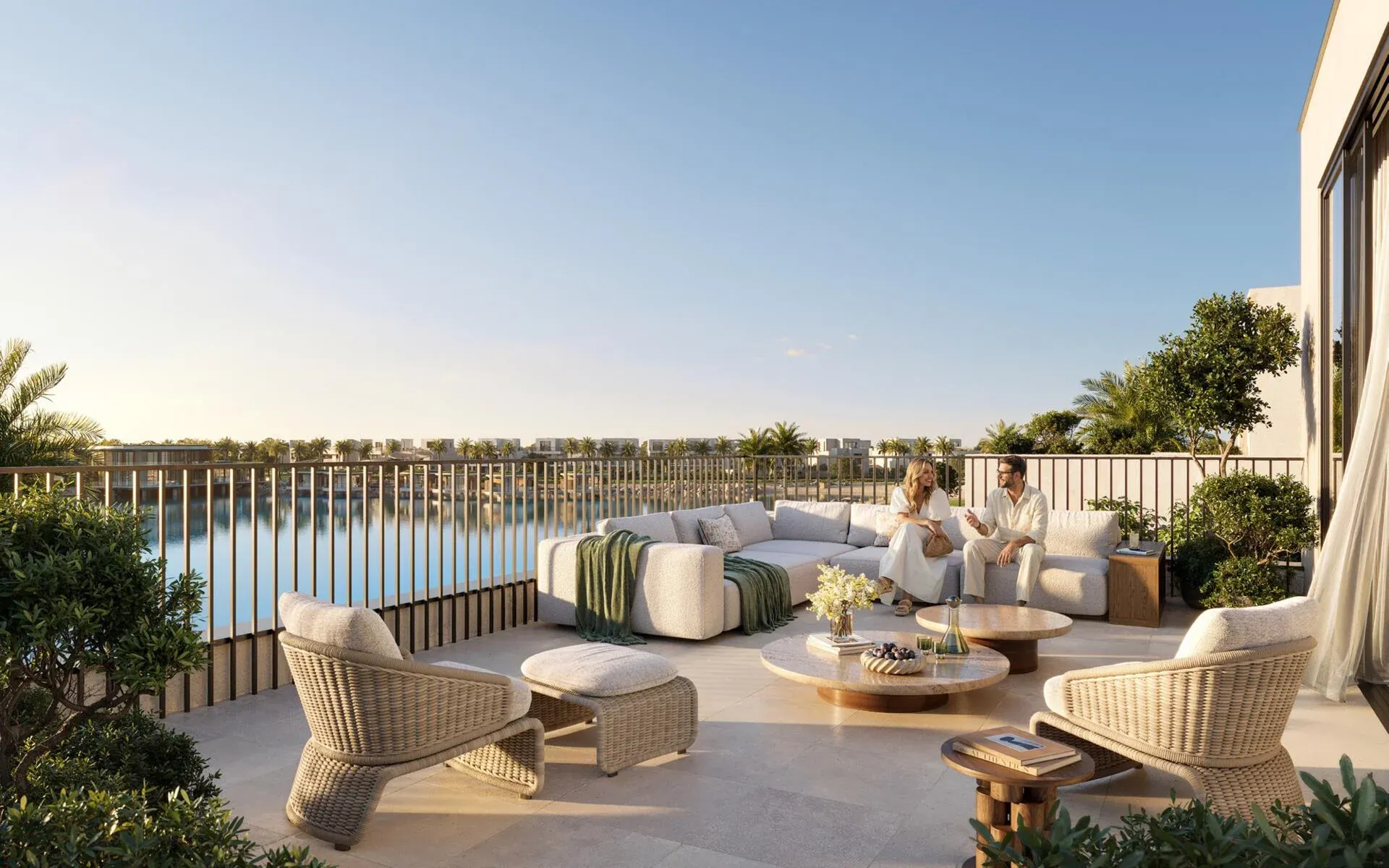
Understanding the difference is useful when buyers make better decisions.
Entry price vs. long-term value
Large projects Often have lower prices of entry. Limited Projects are typically more expensive in the initial investment; however, they are intended to maintain their value for a longer period.
Rental yields: Mass developments can be higher at the beginning because of lower prices. Limited projects tend to provide stable rents with premium tenants.
Quality of maintenance and services: Fewer units are usually easier to maintain, less likely to require service, and less likely to have dirty common spaces.
Exit liquidity: Large projects provide easier exits because of more buyers at a lower price. Limited projects may take longer to sell, but often get a better price.
Community density: Low-density living provides privacy and peace. High density means convenience, and it also means crowding.
There is no universal winner. It depends on the buyer's goals.
Are Limited-Edition Projects Better for Investors or End Users?
Projects with limited editions can work for both, but in different ways.
For investors, these projects are best when the holding period is medium to long term. They are suitable for the type of investor who wants the protection of their capital, a steady demand for their product, and less competition.
Short-term flipping isn't as prevalent as a result of entry prices and niche demand.
For end users, however, limited projects make more sense. They provide a better living experience, privacy, and pride of ownership.
There are risks to consider. Pricing is higher. Liquidity may be slower. Service charges can be on the higher side because of premium facilities.
A common misconception is that if limited, it is automatically profitable. Exclusivity only works if the location, design, and execution are right.
Real-World UAE Examples (Without Over-Promotion)
Similar logic applies across the UAE in numerous limited-edition developments.
Boutique homes right on the beach are often constrained by the size of the plots and by reasons of view protection. Developers keep units low to preserve sea views and privacy.
Branded ultra-luxury towers generally limit supply by precaution for the sake of brand value. Too many units and exclusivity would be diluted.
Low-density island or Villa projects are based on nature and privacy. Limited homes help keep the promise of a lifestyle.
In all these cases, limitation is part of the design philosophy, and not a sales trick.
How to Evaluate a Limited-Edition Project Before Buying

Limited edition property launches can be very attractive, but there should be added caution for buyers. Scarcity is not the sole prerequisite of value. What is important is whether that scarcity is real and sustainable.
The first is to look at the developer's track record. Past delivery history is much more important than future promises. Look at completed projects, build quality, timelines for the handover, and how those properties are now performing in terms of resale and rental demand.
Unit uniqueness should be studied well. Ask what really makes this project different from other projects in the market. Is it location, is it layout, is it the view, is it the quality of design and planning of the community? Limited supply only makes sense when the supply of the product itself cannot be easily replicated nearby.
Exit demand is another very important factor. Buyers should think beyond purchase, though, and ask who will be likely to buy this property in the future. Is the end user the investors or the luxury lifestyle buyers? If the resale audience is too narrow, then liquidity may be limited.
Service charges need to be well understood. Premium living often comes with higher costs of maintenance. Buyers should check estimated service fees and know what's in them. High charges can decline rental returns and impact resale appeal.
Red flags should never be ignored. Unclear construction timelines, unrealistic pricing against the surrounding areas, or weak location fundamentals can be an indication of risk. A limited label does not ensure a project from underperformance.
Taking time to evaluate these points helps buyers to separate true exclusivity from marketing-driven scarcity.
The Brokerage Perspective: Why Buyer Guidance Matters More in Limited Launches
Limited edition projects need well-thought-out and informed guidance. These launches often run differently from normal developments.
Access to units may be limited, with preference given to select buyers. Pricing structures are not necessarily transparent, and the units may move quickly before full information is available. This is an environment that is conducive to experienced and well-informed buyers.
A knowledgeable brokerage helps to create clarity. Advisors understand whether the price is commensurate with long-term value, whether the project makes sense in the context of broader trends in the market, and what exit strategies make sense. They also assist buyers by comparing limited launches to other opportunities that may be offering similar benefits with less risk.
In competitive markets such as Dubai, guidance becomes even more important. The right advisor is protecting buyers from paying too much for an exclusivity that only exists on paper. At the same time, they help in getting truly rare opportunities before prices change.
Limited edition properties can do very well if selected properly. Professional advice is a good way to make sure buyers are paying for the real value, and not just speedy access or clever marketing.
Conclusion: Limited Edition Is a Strategy, Not a Trend
Limited-edition developments are not a passing trend in the UAE. They are a strategic response to changing expectations of buyers, land constraints, and market maturity. Developers who design with quality in mind, but not with quantity, strive to make a long-lasting value and not just fast sales. Exclusivity is effective only if done correctly. When location, design, and delivery combine, the scarcity of supply is a huge advantage. For buyers, it is important to understand the logic behind these projects. With the proper guidance, limited-edition real estate can be both a good investment and a good place to live.