
The Dubai real estate industry is highly competitive and has been investor-friendly globally. The city has thousands of investors and homeowners due to its idealistic skyline, high rental earnings, and stable regulations. However, there is one important choice that a buyer should be aware of, and that is to purchase a freehold or leasehold property.
We at FP Property have helped many local and international clients to make this decision with a lot of confidence. We believe understanding the distinction between freehold and leasehold ownership may define your future financial gain, freedom, lifestyle, and even visa status.
Understanding these two ownership models is crucial for this group of investors seeking capital increases, as well as end-users who intend to reside in their Dubai homes.
‘Freehold’ refers to full ownership, that of a unit and the land under it; ‘leasehold’ refers to long-term rights of use but not of the ownership of the land. The benefits, the price, and the legal impact of each model are different. Let's explore both in depth.
What is Freehold Ownership in Dubai?
Freehold in Dubai means owning a property along with the land it rests on permanently and all. The unit is fully under your control. You can sell, lease, make changes, or sell it to your heirs with no restrictions.
1. Legal Basis & Who Can Buy
In 2002, Dubai introduced a regulation allowing foreign nationals and non-residents to purchase properties in designated freehold zones.
-
● UAE nationals and GCC citizens can buy anywhere in Dubai.
-
● Expats and foreign investors can buy in approved freehold areas such as Downtown Dubai, Dubai Marina, Palm Jumeirah, and more.
Once registered with the Dubai Land Department (DLD), the property deed is issued in the buyer’s name — granting full ownership rights with no time limit.
2. Typical Areas/Examples of Freehold Zones
Freehold zones include some of the fast-growing communities in Dubai, such as:
-
● Dubai Marina
- ● Business Bay
-
● Palm Jumeirah
- ● Jumeirah Village Circle (JVC)
-
● Arabian Ranches
- ● Dubai Hills Estate
-
● Bluewaters Island
These areas are prioritised for their lifestyle facilities, resale potential, and long-term investment demand.
3. Key Rights of Freehold Owners
Owning a freehold property in Dubai gives you several key benefits:
-
● Right to Sell: You can sell your property at any time without needing a landlord’s consent.
-
● Right to Lease: You can rent it out and collect rental income under Dubai tenancy laws.
-
● Right to Modify: Within community and building guidelines, you can renovate or upgrade your property.
-
● Right to Inherit: You can pass the property to your heirs; it becomes part of your estate.
-
● Right to Use: You can occupy, lease, or leave it vacant at your choice.
In other words, you own the property outright, much like homeownership in countries such as the UK, USA, or Canada.
4. Responsibilities & Costs
While freehold gives you maximum control, it also comes with financial and maintenance obligations:
-
● Service Charges: Paid annually to cover community maintenance, security, landscaping, etc.
-
● Maintenance Costs: Owners are responsible for property upkeep.
-
● Higher Entry Cost: Freehold properties are typically more expensive upfront because of full ownership rights.
-
● Registration Fees: Payable to DLD (usually 4% of property value).
Despite the higher cost, many investors choose freehold for its long-term security, potential for capital appreciation, and full control over the asset.
What is Leasehold Ownership in Dubai?
Leasehold ownership provides the right to possession and use of a property over a definite duration, usually 30 to 99 years; however, the land on which the property is built is not owned. Upon expiry of the lease period, the ownership goes back to the landowner unless renewed.
1. Who Can Buy & Typical Lease Terms
Leasehold ownership is open to UAE nationals, GCC citizens, and foreign buyers, subject to area restrictions. Lease durations vary, commonly ranging from:
-
● 30 years – short-term leasehold (often for commercial properties)
-
● 50 to 99 years – long-term residential leases
Such leases are registered at the Dubai Land Department, and the buyer is given a title document entitling him to use the property until the time period ends.
2. Geographical Limitations
Leasehold properties are typically found in areas that are not designated as full freehold zones. Examples include:
-
● Umm Suqeim
-
● Al Barsha
-
● Mirdif
-
● Al Wasl
-
● Jumeirah (certain sections)
3. Rights and Limitations
While leasehold owners have significant rights, they are more limited than freehold owners:
-
● Occupy and Use: You can live in or rent out the property for the duration of the lease.
-
● Sub-letting: Usually permitted but may require the freeholder’s written consent.
-
● Renovation or Modification: Major structural changes generally need the landlord’s approval.
-
● Inheritance: Lease rights can often be passed to heirs for the remaining lease term.
-
● Renewal: At the end of the lease, renewal terms are subject to the freeholder’s agreement.
In short, you have control over the lease duration, but not permanent ownership of the land or structure.
4. Advantages and Disadvantages
Advantages:
-
● Lower Purchase Price: Leasehold properties are generally more affordable.
-
● Reduced Upkeep Responsibilities: The freeholder often shares responsibility for major maintenance.
-
● Accessibility for Short-Term Buyers: Ideal for expats planning to live in Dubai for 5–10 years.
Disadvantages:
-
● Limited Tenure: Ownership expires after the lease term unless renewed.
-
● Less Control: Restrictions on modifications or resale without approval.
-
● Potential Value Decline: As the lease shortens, property value may decrease.
-
● Renewal Risk: Renewal terms may be less favourable or come with extra costs.
Leasehold ownership appeals to budget-conscious buyers or those seeking a temporary residence or shorter investment horizon.
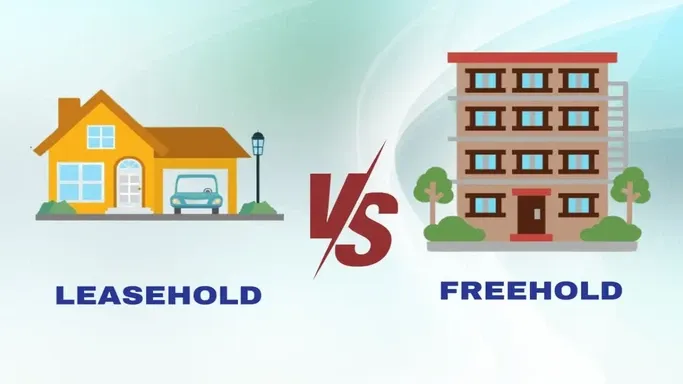
Freehold vs Leasehold: Side-by-Side Comparison
|
Aspect |
Freehold |
Leasehold |
|
Ownership Rights |
Full ownership of property and land |
Right to use property for a fixed term (no land ownership) |
|
Duration |
Permanent |
30–99 years |
|
Control |
Complete control over selling, leasing, or modifying |
Restricted; approval often required for major actions |
|
Cost |
Higher purchase price and maintenance |
Lower upfront cost |
|
Maintenance |
The owner bears all costs |
Freeholder may handle structural upkeep |
|
Inheritance |
Passable to heirs indefinitely |
Inheritable only for the remaining lease term |
|
Resale Value |
Generally higher and more stable |
Can decline as the lease term shortens |
|
Visa Eligibility |
AED 2M for 10-Year Golden Visa; AED 750k for 2-Year Visa |
Usually not eligible |
|
Best For |
Long-term investors, families looking for long-term residency, & HNWIs |
Short-term residents, lower-budget buyers |
1. Dubai Market Context
The longevity of our stable listing portal, in the FP Property portfolio, specifically in Dubai Marina, Business Bay, and Downtown, is very attractive to long-term investors and end-users.
In the meantime, our leasehold plan means affordability and convenience to the residents, who are not interested in unconditional ownership.
Freehold to investors equates to higher rental yield and higher resale value, and leasehold equates to flexibility and reduced entry cost to a temporary resident.
Which Ownership Type Suits Which Buyer Profile?
Different buyers have different goals — and choosing the right ownership type depends on your investment horizon, lifestyle, and budget.
- ● Long-Term Investors or Generational Buyers: Freehold is the best in case you need to accumulate long-term wealth or transfer the property to your heirs.
- ● Short- to Medium-Term Residents: In the case you are only in Dubai and you do not want to invest a huge amount of money, it might be wiser to rent the premises.
- ● First-Time Buyers or Expats: Freehold may be attractive to first-time buyers who either require a permanent base or a permanent investment, with the prospect of obtaining residency visas.
- ● GCC Nationals or UAE Locals: The citizens of GCC, as well as locals, have more freedom when it comes to a choice between the two types of ownership. There are numerous choices of freehold due to the capital gain and legacy.
1. Questions to Ask Yourself before Deciding
-
● What is my budget, and how long can I hold the property?
-
● Do I plan to live in it or rent it out?
-
● How long do I intend to stay in Dubai — short-term or long-term?
-
● Do I want to inherit or resell the property later?
-
● Am I comfortable with maintenance responsibilities?
-
● Is visa eligibility important for my family or me?
Our consultants at FP Property assist you in considering each of these factors to ensure that the purchase you are making is in line with your financial requirements, lifestyle plans, and long-term security.

Legal, Tax & Visa Implications in Dubai
When purchasing property in Dubai—whether freehold or leasehold it’s vital to understand the legal, tax, and visa frameworks that shape ownership rights.
1. Visa Eligibility via Freehold Ownership
You can secure long-term residency through freehold investments, with two primary pathways available as of 2026.
For a 10-year Golden Visa, the property must have a value of AED 2 million or more. A major update this year is that the 50% upfront payment requirement has been dropped; investors now qualify based on the total purchase value, even for mortgaged or off-plan properties.
For those seeking a 2-year residency visa, the entry threshold is now AED 750,000 for completed properties.
Freehold helps expatriates and foreign investors in particular to gain a special interest in freehold, since they may need to control their local property portfolio. On the other hand, the leasehold owners do not generally get a residency visa by just owning property.
2. Registration & Transfer Process
The regulatory authority in Dubai, with reference to registration of property titles, is the Dubai Land Department (DLD). Normal practice when it comes to freehold: the name of the buyer is put on the title deed, and the title is registered. Under a leasehold, the buyer registers his rights under the lease contract as opposed to registration of the full title to the land.
4. Renewal & Conversion of Leasehold Properties
In the case of leasehold property, it is essential to look into what will happen on the expiry of the lease: Will the owner of the land permit a renewal? It can be converted to freehold (in certain areas/premeditated by developers), but then this can be infrequent and not certain.
5. Maintenance & Service Charge Differences
In a freehold, the maintenance and service fee upgrade is a complete responsibility of the freehold owners. They are also used in the master community service fees, which consist of shared facilities and infrastructure.
Maintenance responsibilities under the leasehold avenues are normally shared in the lease agreement. There are leasehold developers who pay for some of the structural repairs.
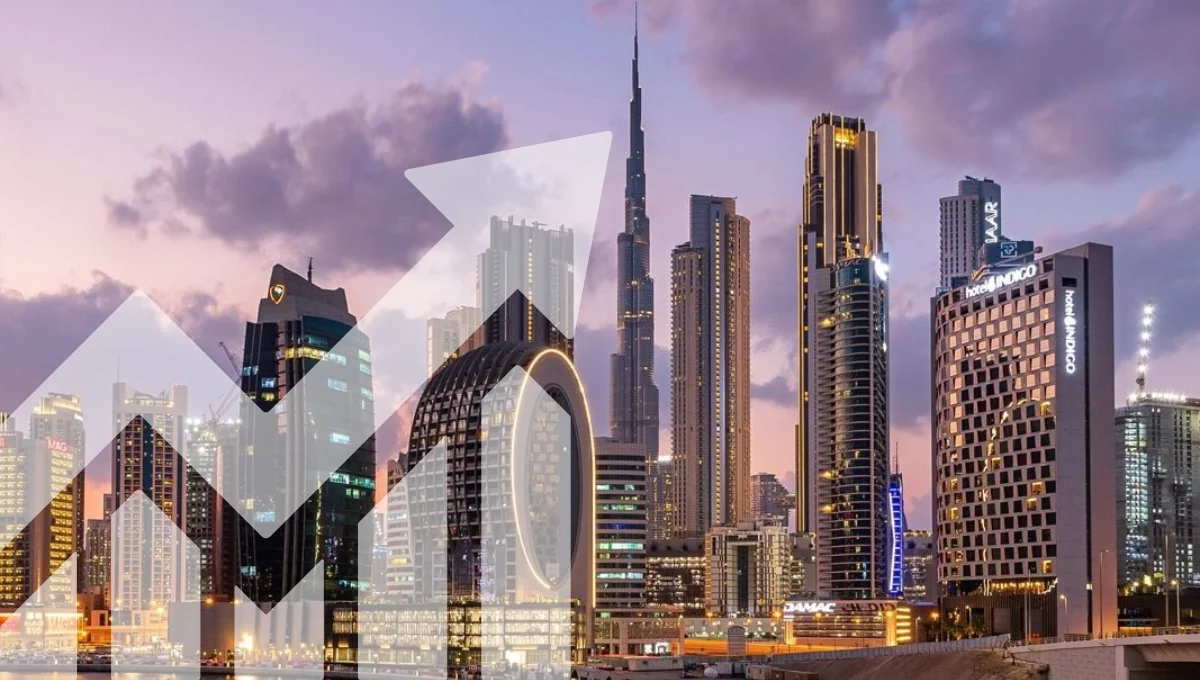
Market Trends & Investment Considerations in Dubai
How the Dubai market treats freehold vs leasehold is important for anyone buying today.
1. Demand & capital appreciation
Prime zone property, especially on a freehold basis, is more likely to have stability in prices and long-term appreciation. Here is an example: Freehold property is usually regarded as a highly stable and worthwhile investment, particularly on a long-term basis. Leasehold properties can be good in the short term with regard to value, but do not have the same growth potential.
Off-plan vs ready to move in the context of ownership type
When the product is released on a freehold basis, the property becomes fully owned at the first instance and is eligible for capital growth at the time of construction. When on lease, the conditions of the lease have to be well checked and the applicability of the lease since handover.
1. Location and future zoning changes
Some areas in Dubai are offering freehold ownership, and this is bringing in a new supply of international buyers. On the other hand, the leasehold areas can be cheaper.
Risk factors
-
● On leasehold properties, there is a risk that as the remaining lease period decreases, the future resale value may decline.
-
● With a leasehold, there is the risk of the terms of renewal being unfavourable.
-
● Freehold: It is expensive to enter, and maintenance is also expensive; market cycles apply.
-
● Liquidity in the market: the freehold in the prime zones is not fixed.
-
● Regulatory modifications: Stay tuned for Dubai policy on property ownership, visa ties, and developers’ control.

Consumer Checklist Before You Buy
Buyers must find out as much as possible concerning the backgrounds of any contract they intend to sign. According to FP Property, the further checklist should follow the stage-by-stage approach:
-
● Type of ownership: You need to ensure that the legal records reflect the ownership of either freehold or leasehold.
-
● Confirm zone confirmation: Only freehold areas, whether formally designated, are freehold purchasable.
-
● Check the lease agreement: In a leasehold, investigate the term of the lease, renewal terms, and the maintenance obligations.
-
● Know service fees: Comparison of annual maintenance between developers and communities.
-
● Check developer reputation: This is to ascertain that it is a registered developer with DLD and has a track record in terms of delivering on time.
-
● Legal confirmation: Title deeds, contracts, and payment receipts are always to be authenticated via legal means.
-
● Determine objective: Determine whether your objective is residence, rental earnings, or long-term appreciation of capital.
Case Study: Freehold Apartment vs Leasehold Villa
Consider two investors exploring the Dubai market through FP Property:
-
● Investor A: AED 2.5 million is the price that investor A pays for a freehold in Dubai Marina. She has complete ownership and can rent it; also, she can receive a residency visa. This is because after four years, the property grows by 20% because of the high demand in a prime waterfront area.
-
● Investor B: Chooses leasing out a villa in the Green Community, and it is a 70-year lease. The price of buying is much less (AED 1.6 million), and the maintenance expenses of the product are partially shared with the community developer.
Both investments are sound—but serve different financial goals. FP Property helped both clients evaluate their timelines, budgets, and objectives before purchase.

Conclusion: Choosing the Right Path with FP Property
The choice to take up a freehold or leasehold ownership in Dubai is a matter of choosing according to the goals, investment horizon, and budget.
In a case where you need long-term security, complete control, and an opportunity to leave a legacy, freehold ownership can be the solution. It offers free rights and freedom to enjoy the capital appreciation that is on the rise in Dubai.
In case you want flexibility, less complexity, and less financial strain, leasehold ownership will provide a great balance between flexibility and costs.
Informed decisions are the key to successful investments in FP Property. In partnership with our in-country knowledge, clear-cut directions, and good working relationships with developers, we assist you in determining the suitable property (freehold or leasehold) that will suit your vision and budget.
Contact FP Property today to explore tailored freehold and leasehold opportunities across Dubai’s most promising communities.