

Why Practical Floor Plans Hold Value Better Than Luxury Finishes in Dubai
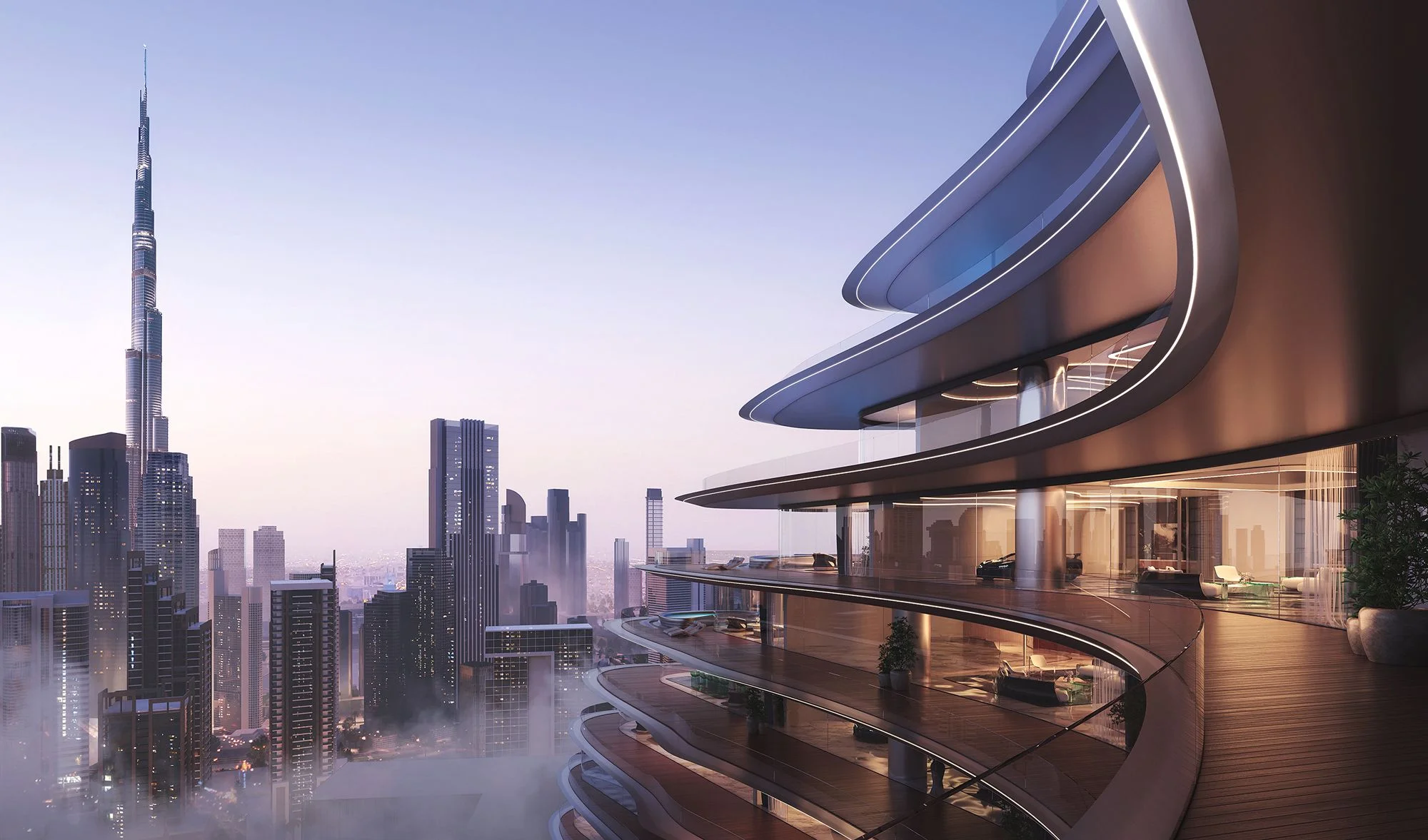
In the property market in Dubai, first impressions sell fast. Shiny show apartments, marble countertops, gold-toned fixtures and glossy brochures often attract buyers in minutes. Many buyers get excited to see a luxury finish and modern styling. The property is aesthetically premium, fashionable and expensive. But once people start living in these homes, reality sets in slowly.
Over time, many an owner realises that beauty is not the whole reason to make a home comfortable. A home is not something to merely look at. It is something to strive for in everyday living. Buyers do not live inside the marketing images, but inside layouts. When the daily routines start, poor design is impossible to overlook.
At FP Property, one issue consistently comes up and down the line when resale decisions are made. Layout complaints are the number one reason owners are disappointed with their purchase. Buyers rarely complain that their marble was not shiny enough or that their tiles were not imported. Instead, they complain that the kitchen feels small, that the bedrooms are awkward, that there is no storage, or that furniture does not fit well, etc.
Marketing often deals heavily with finishes because finishes capture good photographs. Floor plans do not. Developers are aware of the fact that emotional buying is easier when people experience love on the basis of looks. Unfortunately, once buyers move in, poor flow, wasted space and impractical design cause long-term frustration. This is why the practical and functional floor plans are always a better investment than luxury finishes in Dubai. While finishes come and go, trends and styles come and go, a well-planned layout will be useful for decades. Buyers, tenants, and investors eventually make comfort, usability, and daily convenience their priority instead of surface-level beauty.
What “Practical Layout” Really Means
Many people have heard about the term practical layout but have no idea what it entails. Practical does not mean boring and unattractive. It means a home is built around the way people live. The efficient use of space is the starting point of a practical layout. This means very little wasted area on long corridors, oversized entrances or awkward corners. Every square foot should have a purpose. When buyers are paying high prices per square foot in Dubai, wasted space is expensive.
Logical proportions of the room are another important aspect. Bedrooms should be comfortably accommodated by standard beds, wardrobes and side tables without having a cramped appearance. Living rooms should have space to sit, place a TV, and move around without obstruction of walkways. Dining areas should have a sense of being linked but not pushed into corners.
A functional kitchen is much more important than fancy finishes. A kitchen needs to have proper storage, counter space and movement. Many luxury-looking kitchens do not succeed because they focus on visual appeal rather than functionality. Narrow walkways, limitations of cabinets and poor placement of appliances make the daily cooking stressful.
Storage is usually neglected, but is very essential in Dubai homes. Useful layouts include built-in wardrobes, storage rooms or utility spaces. Without storage, homes quickly become cluttered, especially in the case of families or long-term residents. Privacy between the living and sleeping areas is also another sign of good planning. Bedrooms should not open directly into the living room or the kitchen. Guests should not have to invade private spaces. This separation makes it more comfortable for residents and makes it more appealing to tenants.
Why Finish-Led Buying Backfires
Many buyers in Dubai fall into the trap of finish-led buying. They go with a property primarily because it is luxurious, modern or trendy. Unfortunately, this way we often end up regretting it later.
Poor Flow
One of the largest issues with finish-focused homes is poor flow. Developers sometimes compromise the quality of the layout to produce dramatic entrances to a building or oversized hallways that will look great, but serve no real function.
Oversized corridors consume useful living space. Awkward room connections: residents are forced to walk through strange pathways to go between rooms. Kitchens can be cut off from the dining areas. Bedrooms may be located too close to the noisy living areas.
These are problems that are not apparent in marketing photos. They only become apparent when someone starts living in the space. Over time, poor flow results in frustration and loss of enjoyment of the home.
Furniture Constraints
Another major issue comes in when buyers attempt to furnish the property. Many luxury finished units do not fit the standard furniture properly. Living rooms are sometimes on paper but narrow in appearance because of bad proportions. Bedrooms may accommodate a bed, but do not have room for wardrobes or movement.
This leaves people with a strange situation where they are the owners of a beautiful home but have difficulty furnishing it comfortably. Placement of furniture becomes a puzzle. Some areas are still vacant, and others are overcrowded.
Buyers then discover that the advertised square footage is not necessarily usable space. This is detrimental to resale value since future buyers will have the same problems.
Narrow Tenant Appeal
Tenants are generally less concerned about luxury finishes and more concerned about functionality. They want homes that are easy to live in. A tenant would rather have a useful kitchen rather than an expensive backsplash. They like storage over decorative walls.
Poor layouts decrease tenant demand. Units take longer to rent. Vacancy periods increase. Rent reductions become necessary. Over time, investors are receiving lower returns than they should.
Homes built with practical layouts have a broader pool of tenants. This results in stable occupancy and predictable income.
Practical vs Aesthetic Homes Compared
When we compare practical homes to finish-driven homes, the differences become very clear over time.
Practical homes appeal to a large number of tenants. Families, professionals, couples and long-term residents all find value in functional space. Aesthetic-heavy homes tend to appeal to a very limited audience who place their emphasis on design rather than comfort.
Resale is easier in the case of practical homes. Buyers are confident because they can imagine living there. Aesthetic homes tend to run into buyer resistance when layout issues start to present themselves during the viewing process.
Practical homes are renovation-friendly. Owners have the option of upgrading finishes at a later time without alteration to the structure. Poor layouts are hard or impossible to correct without extensive renovations.
Luxury finishes can be updated, replaced, or modernised. A bad layout is permanent. This is the reason that practical homes have a more consistent value throughout market cycles.
Buyer Profiles That Prioritise Function

Different buyer groups in Dubai have a natural tendency towards practical layouts.
Families have their priorities, which include space, storage, and privacy. Children have to have rooms that expand with them. Parents need to have working kitchens and safe movement. Families are quick to reject homes that look good but do not work well.
Long-term residents are interested in daily comfort. They want homes that support routines, hobbies, work-from-home requirements, and relaxation. Over time, pragmatic layouts develop emotional attachment and satisfaction.
The investors who focus on solid tenants know that functionality creates demand. They opt for layouts that encourage long stays and discourage turnover. Stable tenants equal less maintenance costs and predictable returns. These buyer profiles are the backbone of resale demand in Dubai.
Where Efficient Layouts Perform Best
Efficient layouts always work better for some kinds of communities in the UAE. These locations attract buyers and tenants who are more interested in comfort and usability on a daily and long-term basis rather than on the surface level of luxury.
Mid-market communities are one of the best performers in terms of practical layouts. In these areas, the buyers are typically end users or long-term investors. They take a close look at the way a home works because they intend to live there, or rent it out for many years. Practical layouts which have been carried out in mid-market communities result in quicker decisions and fewer objections during viewing. The buyers have instant knowledge of the functionality of the space, which is confidence-building.
Family-oriented developments also pay well in terms of layout design. Families need homes that support life's daily routines, like morning school preparation, meal preparation, and family time. Practical layouts provide for adequate separation of bedrooms, storage areas for everyday items and living areas that provide opportunity for interaction without crowding. In these communities, for example, functional homes often sell faster than more costly but badly planned options located nearby.
Mortgage-friendly buildings are another area where efficient layouts shine. Banks like properties that have a large array of potential buyers. When the layout is practical, valuations are easier to justify since demand is stronger. Homes that are easy to understand and easy to live in are also easier to finance. This increases the resale liquidity and insulates the price during slower market times.
Over time, these locations create a stable demand for homes that are functional. Even during times of market slowdown, practical layouts are relevant due to the fact that they serve to solve real living needs.
Financial Benefits of Practical Design
Practical design offers financial benefits, which are often underestimated when purchasing the item. These benefits become more apparent over the years of ownership.
One of the most immediate benefits is the ability to lease faster. Tenants can readily picture how they will live in a well-designed home. They know how the furniture will be placed and what daily life will be like. This shortens the vacancies and improves cash flow for investors.
Tenant retention is another great benefit. People stay in homes longer that are comfortable and functional. When layouts are conducive to storage, privacy and movement, tenants are less likely to move out because of frustration. Longer stays decrease expenditure on turnover, repainting and agent's commission.
Resale demand has also increased for practical homes. Buyers are more decisive if they see a working layout. They have fewer doubts and fewer objections. This shortens the resale timelines and protects the pricing even in the case of an increase in competition.
Over time, these financial advantages are compounded. A home that rents fast, retains tenants, and resells easily will be a better investment than a property that looks great but has usability problems.
Risks Buyers Miss During Viewings
Many buyers make layout-related mistakes unconsciously while visiting to buy a property. These mistakes are usually caused by emotional excitement and visual distractions.
Luxury finishes, lighting and staging furniture can conceal serious design flaws. Buyers are surface-oriented, not space-oriented. To them, they admire materials but forget to consider what the home will look like once the furniture is out.
Another common mistake is not mentally testing the placement of furniture. Buyers rarely ask themselves simple questions like where the bed is going to be placed, where the wardrobe will be fitted, how the dining table will be placed, etc. When they move in, they find out that the place does not support normal furniture sizes.
Daily movement flow is also neglected. Buyers don't spend time on their daily routines such as cooking, relaxing, entertaining guests, or working from home. Poor flow is only apparent after living in the home for a while.
These risks contribute to lower levels of long term satisfaction and resale value. Careful evaluation when viewing can save costly regret later.
FP Property Insight: Our Layout Screening Process
At FP Property, layout evaluation is a priority and not an afterthought. Years of experience reselling have shown that functionality determines the long-term performance.
Every layout is checked for furniture fit. We consider whether there is room in bedrooms for normal beds and wardrobes. Living areas are inspected for seating location and walkways. Kitchens are reviewed for storage and working space.
Storage evaluation is another major step. Homes lacking sufficient storage do not fare well in the rental market or resale market. We find layouts that facilitate organised living.
Resale compatibility is also tested. We examine the ease with which a layout will be appealing to future buyers and tenants. This helps clients avoid properties that are looking good today but struggle tomorrow.
This structured screening process helps to protect buyers from making emotional decisions and helps to make smarter investments.
Market Outlook: Why Usable Space Is the New Luxury
Dubai's property market has changed considerably. Buyers are more experienced and more informed than they used to be. This has changed the definition of luxury.
Usable space is now perceived as more important than decorative finishes. Buyers know that comfort and practicality make life better. A well-working home feels luxurious, even without costly materials.
As service charges, interest rates and ownership costs increase, the buyers become more choosy. They want value that lasts. Practical layouts provide uniform value no matter what design fashions may dictate.
In the future, homes with efficient layouts will have a greater intelligibility than those with only eye appeal. Developers who pay attention to usability will benefit in terms of trust and long-term demand.
Common Layout Evaluation Mistakes
One common mistake is focusing only on total size instead of usable space. Buyers assume larger square footage means better value, but wasted space reduces functionality.
Another mistake is relying too heavily on marketing visuals. Renderings and staged units do not reflect real living conditions. Buyers should focus on walls, room proportions, and flow instead of decoration.
Many buyers also underestimate how layout affects daily happiness. Small inconveniences become major frustrations over time. Poor design slowly erodes satisfaction and resale appeal.
Avoiding these mistakes leads to better ownership experiences and stronger long-term value.
Conclusion: Function Protects Resale
In Dubai’s property market, luxury finishes can impress at first, but they rarely guarantee comfort, usability, or long-term value. What truly matters is a practical layout that makes daily living easy and enjoyable. Homes with functional floor plans provide logical room flow, efficient use of space, adequate storage, and privacy where it matters. These qualities appeal to families, long-term residents, and tenants alike, ensuring faster leasing, higher tenant retention, and smoother resale. Practical layouts remain valuable even as trends change, while finishes can fade or go out of style.
Investors and buyers who focus on function over surface beauty benefit in multiple ways. Practical homes reduce risk, protect resale value, and deliver consistent satisfaction over time. By evaluating how a property works, rather than just how it looks, buyers can secure long-term value, avoid daily frustrations, and enjoy peace of mind.
Consult specialists like FP Property to screen layouts, test furniture fit, and assess usability to make this process much easier. Prioritising function is the smartest way to invest in Dubai real estate and ensure a property performs well both today and in the future.