
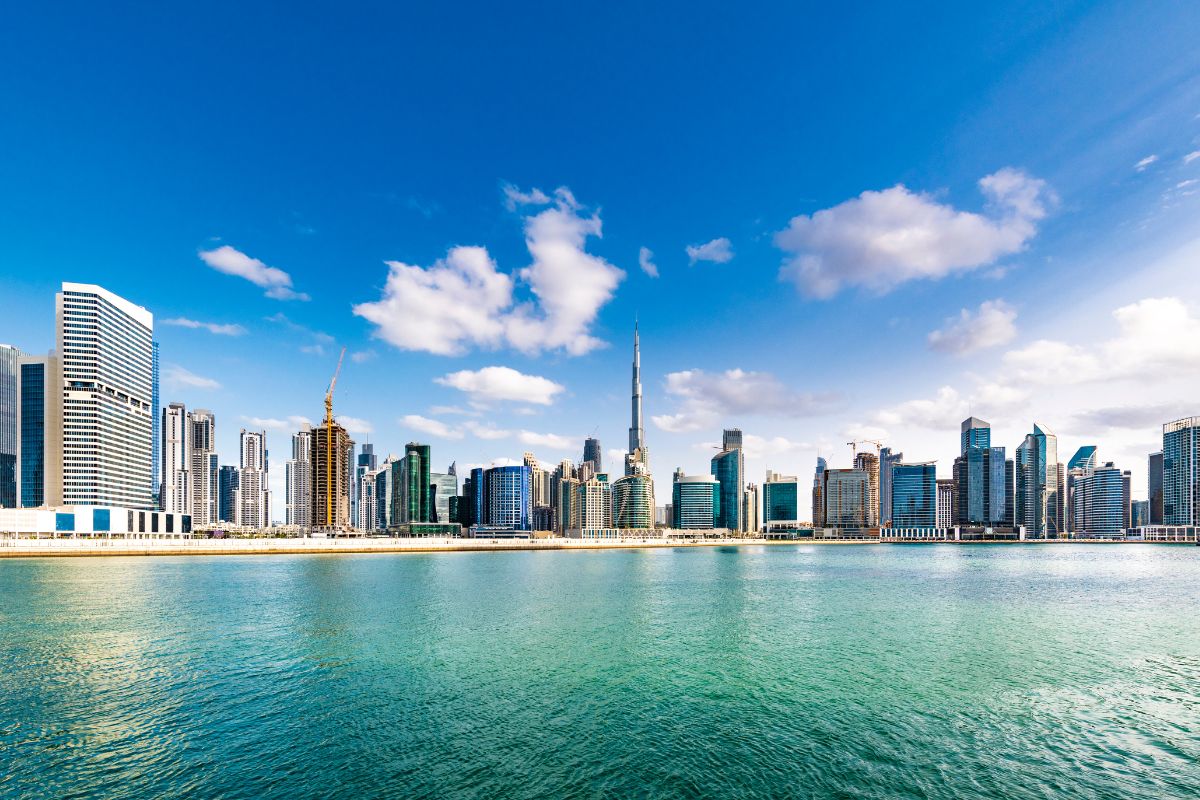
Dubai's real estate market has evolved a great deal in the past decade. Earlier, many buyers had a short-term mindset when they entered the market. The goal was often simple. Buy early and wait for hype to build, then sell fast at a higher price. This worked in some cycles, more so when supply was limited, and demand was increasing rapidly. That phase gave rise to what many people now refer to as "flip culture."
Today, the market appears much different. Buyers are more informed. Data is easily available. Communities are more mature. Financing rules are clearer. As a result, buyers are no longer making decisions based on excitement or lifestyle dreams. Instead, they are investing in property purchases like serious financial decisions.

At FP Property, this shift is very visible. Now, questions that are deeper and more practical are asked by buyers. They want to know the service charges, and not just the view. They inquire about the timelines for handover and not simply about launch discounts. They don't want glossy brochures; they want to know what the demand will be for resale. This behaviour is a definite step away from speculation and a step towards certainty.
Certainty has become a premium in the Dubai real estate. With so many projects, developers, and communities at their disposal, buyers no longer need to take unnecessary risks. They have options. They can select properties in which the outcome is more understandable, and surprises are less likely. This change in mindset is influencing the manner in which Dubai's property market operates today.
What “Certainty” Actually Means in Dubai Real Estate (Clear UAE Context)
Certainty in real estate does not mean no risk. No property market in the world makes that available. In Dubai, certainty means minimising unknowns as much as possible before committing money. It means choosing assets in which key questions already have clear answers.
One of the biggest components of certainty is delivery. Buyers feel more comfortable when a property is ready or in a genuinely near-ready state. A track record of successful handover is important. Buildings that already stand or communities in which several phases have been delivered on time create a sense of confidence. Buyers know what they are getting and when they can use it.
Pricing certainty is another important factor. In established areas, it is easy for buyers to compare prices. Similar units exist. Recent transactions are a source of guidance. Negotiation is possible. Bank valuations are often in support of the agreed price. This is so different from buying based on future promises alone.
Cost certainty also plays a big role. Known service charges, no ambiguity in the responsibility of maintenance and realistic utility costs enable better planning on the part of the buyer. When these costs are not clear or underestimated, returns can suffer. Certainty-driven buyers want visibility on the annual costs before they commit.
Demand certainty is of equal importance. Buildings or communities have rental history provide proof of demand. Buyers are able to see who lives there, how long tenants stay and what rental levels are realistic. This is a much more reliable measure than projections using future population growth alone.
A common misconception is that safe always means new or luxury. In reality, many older or mid-range buildings can provide more certainty than brand new luxury launches. Safety is not derived from marketing words, but from performance.
Why Speculation Is Losing Its Dominance in Dubai

Speculation is not gone from Dubai, but it is no longer the driving force in what buyers do. Several market realities have caused speculative buying to be less attractive to most people.
Launch Premium Fatigue and Marketing Noise
Buyers are getting fatigued with hype. Launch events are impressive. Marketing videos are perfect-looking. Promises sound exciting. But buyers now know that hype does not always equal value.
Launch prices typically incorporate a branding premium. This premium assumes the future demand will reward the initial price. In many instances, the resale market doesn't think so. Buyers who enter early are sometimes able to find comparable completed units selling for similar or even lower prices.
As information becomes more accessible, it is easy for buyers to cross-check claims. They can compare layouts, location, service charges, resale information, etc. This transparency lessens the strength of marketing alone.
Timing Risk Is More Difficult to Manage Now
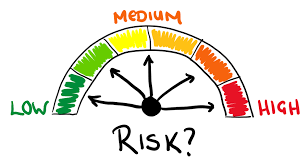
Speculative buying is highly time-dependent. Buyers take for granted that delivery will take place on time and that market conditions will be favourable at the time of handover. Today, both assumptions are less certain.
Delivery delays can settle expected returns months or years ahead. This impacts cash flow, financing costs and personal plans. At the same time, market conditions on handover might not follow the expectations at the time of purchase.
Interest rates, rental demand, and the sentiment of buyers can also change. When outcomes depend too much on timing, risk is increased. Many buyers are now more interested in assets that they can immediately use or rent.
Exit Liquidity is More Important Than Paper Gains

True profit is only realised upon the sale of property. On paper, gains mean nothing if there is no buyer at exit. Many spec units have a hard time reselling because similar layouts are available in large numbers.
Oversupply in the same project or in adjacent launches can limit exit options. Buyers these days would like assurance that there will be a healthy pool of buyers when they choose to sell. Liquidity has become more important than optimistic projections of price.
Certainty-First vs Speculative Buying: Key Differences

The difference between certainty-driven buying and speculative buying is quite apparent when compared head-on.
Certainty driven are purchases include price transparency. Comparable sales exist. Negotiation is realistic. Valuations are typically for supporting the agreed price. Speculative buying is more based on the narrative of the launch and the future assumption.
The risk exposure is also different. Certainty-driven buyers have fewer construction and timing risks. The asset is visible and usable. Speculative buyers are delayed and dependent on future market conditions.
Financing is easier when there is certainty. Banks like completed or near-completed properties. Valuation gaps are the exception rather than the norm. Speculative purchases often require more cash input because of the shortfalls of valuation.
Rental Readiness is another key difference. Certainty-driven assets can provide income in a short period of time. Speculative assets can be idle for long periods of time after handover.
Exit flexibility is favourable to certainty. There is a wider buyer base for proven communities and layouts. Speculative units are often more suitable for a more limited audience.
Which Buyer Types Are Driving the Certainty Trend in Dubai?

They have several buyer groups that are making a strong push for this shift towards certainty.
End users moving to Dubai tend to have fixed timescales for moves. They cannot afford delays. They need to have homes that are ready or are evidently close to being completed. Certainty enables them to plan for schooling, working and family life.
Families are interested in stability. School access, mature amenities and clear community rules are more important than potential appreciation. They select places where there is proven infrastructure and predictable living conditions.
Investors who want to get rental income immediately like assets with known demand. They want cash flow now, not later. Less exposure to delivery delays to safeguard returns.
Mortgage buyers are also driving this trend. Banks are demanding documentation and valuation support. Properties that fit well with the lending criteria are preferred by buyers who use financing. Certainty makes the mortgage process easy.
Where Certainty Shows Up Most: Property and Community Signals

Certain signals consistently point to higher levels of certainty. The strong indicators are established master planned communities. These areas have been proven in management, operation, amenities and service structures. Residents know what to expect.
Buildings that have stable occupancy indicate consistent demand. High tenant retention is often an indication of good location, fair price, and good management.
Practical layouts are liquid market cycles. The efficient use of space is attractive to end users and tenants. Over-designed or unusual layouts often do not sell well.
Maintenance standards are obvious in common areas. Clean lobbies, functioning elevators, and well-kept facilities are an indication of long-term operational quality. These details are more important than showroom finishes.
Financial Advantages of Certainty-Driven Purchases

Buying with certainty has definite financial advantages that are underestimated by many buyers at first. One of the greatest benefits of this is reduced holding risk. When a property is ready or already rented, there is no long waiting period with ongoing costs, and without income. This means that financial pressure is reduced and the cash flow is protected from day one.
Certainty also means better planning of returns. Known service charges, realistic maintenance costs and established rental levels mean that it is easier to anticipate annual returns. Buyers are not basing their decisions on optimistic estimates or assumptions about the future. Instead, they can compute numbers on the basis of actual performance.
Another advantage is fewer unexpected expenditures. Buildings with a maintenance history typically have predictable cycles of repair. This helps buyers to avoid encountering large repair bills unexpectedly that tend to arise in poorly planned or newly delivered projects.
Time is another hidden cost. Certainty-driven purchases eliminate time and delays, renegotiation and repeated waiting. For many buyers, but certainly for working professionals and overseas investors, such time saving has a real financial value.
Risks to Watch Even When You Choose “Safe”

Even in cases where buyers are concerned with certainty, there are still risks present. One common issue is paying for readiness too much. Some sellers set uncovered properties too high simply because they are all set. Buyers still need to look at prices of similar units available in the same area so they do not have to pay more than the market value.
Service charges are the other major risk. A building may appear to be well-maintained, and yet it suffers from inefficient facilities management. If the service charge rises from year to year, this can affect long-term returns. Buyers should always examine trends in past service charges, not only current numbers.
Another mistake is when you are focusing on the unit and do not care about the building. A well-finished apartment inside a poorly managed building will still have problems in terms of resale and rental demand. As important as the unit is, building quality, management efficiency, and resident experience are just as important.
Finally, buyers should not put all their trust in a developer or a brand name. A strong brand does not necessarily mean demand or liquidity. Market performance is a function of location, pricing and usability over time.
FP Property Insight: How We Filter for Certainty Deals

At FP Property, certainty is not a marketing term. It is a filtering process. Every property is investigated through a number of practical checks before showing buyers.
The first step is pricing validations. We compare the unit against recent transactions and active listings in order to ensure that the price is realistic and not inflated. If the numbers do not make sense, then the deal is rejected early.
Next comes cost analysis. Service charges, exposure to maintenance and sinking funds visibility are reviewed carefully. Buyers need to know their true annual costs before buying.
Liquidity assessment is another important step. We ask ourselves who the next buyer is likely to be and at what price level. If it is not clear precisely what the resale demand will be, or if it is too narrow, the risk is greater.
Rental readiness is also reviewed. We measure tenant demand, rental range expectation and leasing competitiveness in the building and area. This helps to keep buyers from having unrealistic income expectations.
Market Outlook: Will Certainty Keep Winning?

Market signals are very much pointing to the fact that certainty will continue to outperform speculation in Dubai. Buyers are more experienced and data-driven. They ask better questions and expect to get clear answers. This has a natural bias towards assets that have a transparent performance history.
Interest rate sensitivity is also a factor. When the cost of borrowing is a concern, buyers would rather be able to predict income and valuations. Certainty-driven properties relate better to this mindset.
As the population of Dubai ages, the need for established communities is increasing. Families and long-term residents gravitate to areas with already established infrastructure, as well as schools, access to healthcare, and stable management. These communities tend to have a better hold of value through cycles.
Regulatory clarity also promotes confidence. Clear ownership laws, better escrow controls, and a higher level of transaction transparency make buyers feel more comfortable with long-term decisions as opposed to short-term bets.
Common Mistakes Buyers Make When “Avoiding Risk”

Many buyers think that they're minimising risk, but they still make avoidable mistakes.
One of the more common mistakes is mistaking luxury for liquidity. High-end finishing and premium brand recognition do not necessarily equate to good resale demand.
An additional mistake is ignoring the long-term costs because a building appears new. New buildings can still have high service charges or inefficient systems, which will increase expenses over time.
Some buyers are attracted to rare or unusual layouts because they believe that scarcity will ensure value. In reality, though, such layouts often have an appeal to fewer buyers, making reselling difficult.
Buyers are also not checking resale value under normal market conditions. Decisions based on peak market prices can be disappointing when the market stabilises.
Conclusion: Why Certainty Is Becoming the New Smart-Buyer Advantage

Dubai’s real estate market has evolved. Buyers who succeed today focus less on excitement and more on clarity. Certainty brings visibility into costs, demand, and long-term performance. This reduces any sort of regret and increases confidence.
Properties with proven usability, transparent pricing, and consistent demand tend to perform better over time. They offer stability in a market that still provides growth opportunities.
Certainty is no longer a conservative choice. It is a strategic advantage. Buyers who understand this shift are better positioned to protect their capital and build sustainable returns.
For those navigating Dubai’s complex property landscape, working with specialists who prioritise certainty can make the process smoother and outcomes more predictable. Speak to FP Property specialists for certainty-screened opportunities in Dubai!