

Dubai’s property market is thriving. It welcomes both global investors and residents. You will find a unique combination of tax-free living with strong rental yields and a stable economy.
The combination of lifestyle and investment security makes Dubai an unbeatable market for property purchases. But where do you begin? In Dubai, the successful purchase of a property - whether to occupy or invest in - requires you to navigate a clear set of legal and financial steps. This blog is for you if you are interested in knowing how to buy a home in Dubai.
This guide will highlight the process of buying a property in Dubai. Everything from purchasing as a foreign National to accessing financing and completing the transfer will be addressed.
Understanding Ownership Types & Buyer Eligibility in Dubai

The first step is to understand your ownership rights and what you are buying.
1. Freehold vs. Leasehold:
Freehold is the most common type purchased by foreign buyers and means you own the property and the land it is sitting on in perpetuity. As a Freeholder, you have total freedom to sell, rent, or give to heirs. Foreign investors can only buy Freehold property in specified areas. The best locations are Dubai Marina, Downtown Dubai, and Palm Jumeirah.
A leasehold gives you property ownership for a specific time period (generally up to 99 years), but the land still belongs to the original owner.
2. Who Can Purchase?
Anyone can purchase property in any of Dubai's Freehold areas: residents, non-residents, and companies. Other than requiring a valid passport and being at least 21 years old, there are essentially no restrictions for buyers.
3. Ownership rights:
-
Ready Property: You become the owner immediately upon transfer at the Dubai Land Department (DLD).
-
Off-Plan Property (Under Construction): You purchase the right to the completed unit. You register ownership with the DLD using the Oqood Certificate (which is pre-registration, before the deed), which is later replaced with the Title Deed when you take possession of the property.
Set Your Budget and Financial Readiness

Before you start looking, you need to identify your budget that accounts for all additional costs.
1. Minimum Down Payment and Mortgages:
If you require a loan (mortgage), the rules may vary depending on whether you’re a resident of the UAE or not:
-
● UAE Resident: For your first property under AED 5 million, you will need a minimum deposit of 20%.
-
● Non-resident (Foreign Buyer): Your down payment will be noticeably larger, usually between 35% to 40% of the property's total value.
2. Additional costs to budget for:
In terms of budgeting, outside the purchase price of the property, you should consider between 7% and 8% of the purchase price of the property for additional fees:
-
● Transfer Fees: the highest associated cost from the government, which is 4% of the value of the property, is paid to the DLD.
-
● Broker commissions: typically 2% of the purchase price (+5% VAT on commissions).
-
● Trustee Fee: A Fixed fee, sometimes to the government-approved office which handles the transfer.
-
● Annual Service Charges: a fee paid communicatively to your community or building management for maintaining the common areas, security and general amenities.
-
● Cash Flow Off Plan: If you are purchasing off plan (under development), it is a bit different; a payment plan is usually paid in stages over 2-5 years and dramatically affects your immediate cash flow more than if you were purchasing a property that was ready to move in!
Choose the Right Location & Property Type
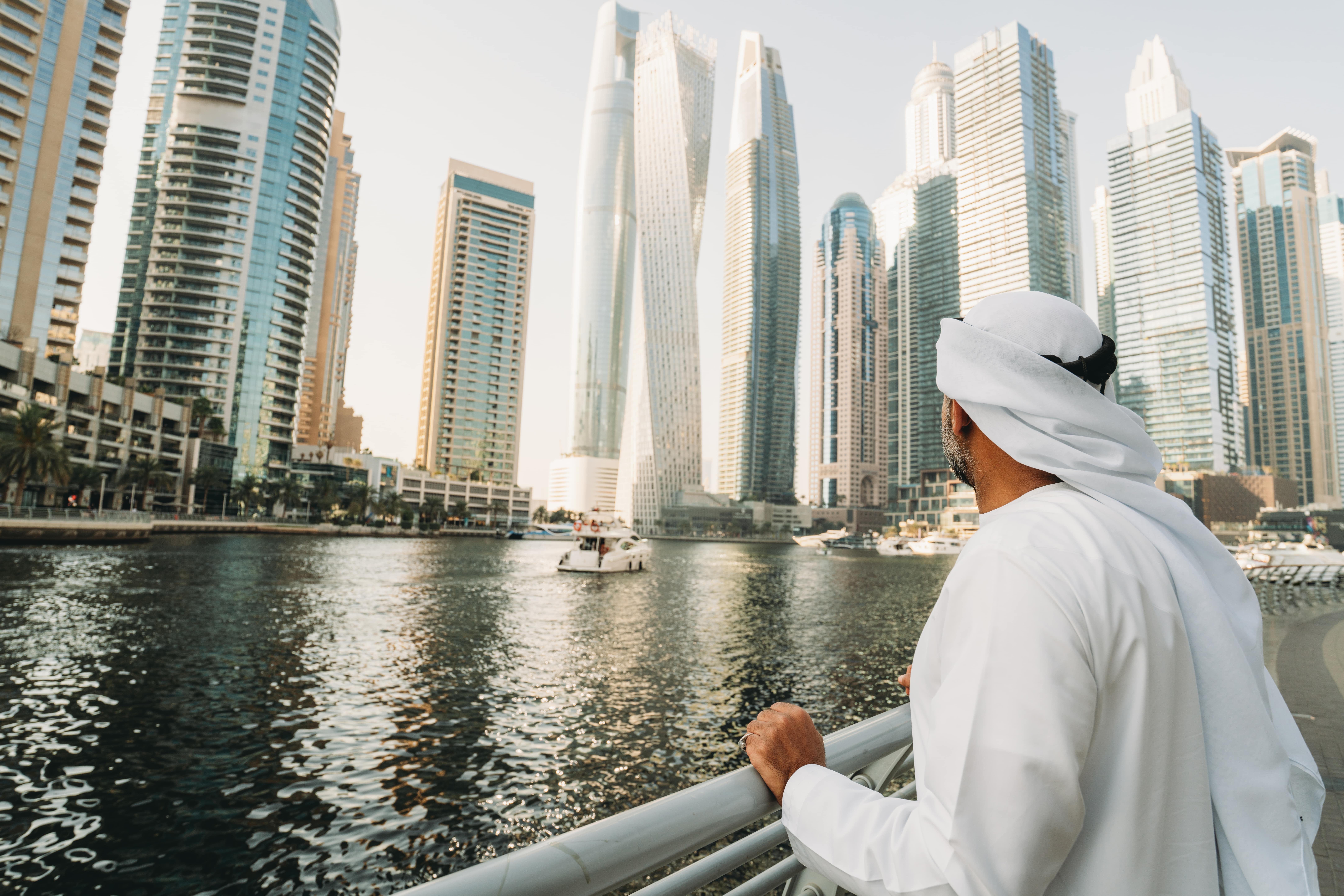
Selecting the right neighbourhood depends on your goals: do you want a better lifestyle, or the highest profit from rent?
1. Neighbourhood Evaluation:
You should consider neighbourhoods with an area of growth, like proximity to new metro lines or new attractions. With investors, rental yield (the amount of profit rent gives you) could be key. Typically, premium suburbs such as Downtown Dubai and Dubai Marina provide both prestige and reasonable rental yields.
2. Ready vs Off-Plan:
-
● Ready: A ready-to-move property means you can instantly move there or use it for renting purposes. The con is that you may require a larger amount of initial cash upfront (down payment + closing fees).
-
● Off-Plan: These properties give you a flexible payment plan and capital appreciation before your unit is complete. There might be some delays in construction.
3. Developer Reliability/reputation:
Always check a developer’s prior projects and delivery timelines before buying an off-plan.
Legal Due Diligence: What to Check Before You Sign

Never miss these steps. They are important factors in protecting your large financial commitment.
1. Title Ownership Verification
Always ensure the seller is the actual owner of the property. For that, you need to ask to see the actual Title Deed or the Oqood Certificate (if the property is off-plan) and confirm this information with the DLD. Be certain that there are no outstanding mortgages (or liens) nor service charges owed on the property.
2. Developer and Project Review
If you buy a home that is still being built (off-plan), the developer must be properly registered with RERA (Real Estate Regulatory Agency). Also, you must put your payments for the off-plan home into a RERA-approved Escrow Account. This step is crucial because it guarantees your money will only be used for building that specific project.
3. Freehold Area Confirmation
Again, please double-check that the property or units you are purchasing are confirmed as being in a designated freehold area where foreigners are allowed to have ownership.
4. Agent Verification
Only work with a fully licensed RERA-certified agent or broker. Check their RERA ID and license number and confirm it is current on the DLD website.
Making an Offer, Contract Signing & Developer/Association Approvals
This is the stage where you agree on the price and sign the papers.
-
● Making an Offer: Your certified agent will help you make a formal offer and discuss the price. If the seller accepts, you pay a deposit (usually 10% of the price), which you can get back if the deal falls through for certain reasons.
-
● Contract Signing: The agreement is officially written down in a paper called a Memorandum of Understanding (MOU), also known as Form F. This paper is a binding contract. It lists the price, when you will pay, and all the terms of the sale.
-
● No Objection Certificate (NOC): If you are buying a home that is ready, the seller must get a special letter called a No Objection Certificate (NOC) from the developer or community association. This letter proves the seller has paid all their service bills. You must have this NOC before the government (DLD) will let you complete the transfer.
Financing & Mortgage Process

Getting a home loan (mortgage) in Dubai requires being prepared, especially if you are not a resident.
-
● Pre-Approval: Get your mortgage pre-approved by a UAE bank before you sign the main agreement (MOU). Banks will check how much you earn, your credit history (from your home country), and how much debt you currently have.
-
● Bank Requirements (for Foreign Buyers): If you are not a resident, the bank rules are stricter. You must prove you have a stable income. Also, the loan amount they give you is smaller compared to the property's price (LTV is lower), meaning you have to pay a much larger deposit yourself.
-
● Terms: Home loans usually last up to 25 years for residents, but the time may be shorter for people who do not live here. Interest rates can be fixed (they stay the same) or variable (they change when the market changes).
-
● Alternatives: Many buyers from other countries choose to pay all cash for homes that are ready. For homes that are still being built (off-plan), they use the developer’s payment plans to avoid bank interest. It is also a smart choice to own the property jointly with your spouse.
Transfer of Ownership & Registration with Dubai Land Department (DLD)

The final legal step makes you the official owner.
-
● DLD Transfer: The buyer and seller (or their legal representatives) meet at a DLD-approved Trustee Office.
-
● Document Submission: The final documents—including the original NOC, MOU/Form F, and identification—are submitted.
-
● Payment and Fee: The buyer submits the final payment (usually a Manager's Cheque made out to the seller) and pays the DLD Transfer Fee (4% of the price).
-
● Title Deed Issuance: Once everything is processed, the DLD issues the new electronic Title Deed in the buyer's name.
-
● After-Sale Steps: For off-plan, this is when you receive the keys (handover). You must then register for utilities (like DEWA for electricity and water) and start paying the annual service charges.
Costs & Hidden Charges to Budget For
Be aware of all fees to avoid surprises.
|
Cost Item |
Who Pays (Usually) |
Rate / Amount |
|
DLD Transfer Fee |
Buyer (often split) |
4% of the property price |
|
Broker Commission |
Buyer (sometimes split) |
2% of price + 5% VAT |
|
Trustee Fee |
Buyer |
Fixed (approx. AED 4,000 to AED 5,000) |
|
Mortgage Registration |
Buyer (if financed) |
0.25% of the loan amount |
|
NOC Fee |
Seller |
Fixed (AED 500 to AED 5,000) |
|
Service Charges |
Buyer (Annual) |
Varies (e.g., AED 15–25 per sq. ft.) |
|
DEWA Deposit |
Buyer (One-time) |
Fixed (AED 2,000 for apt, AED 4,000 for villa) |
Always use a RERA-certified agent and a lawyer. Never give money for an off-plan home directly to the developer. Always pay into the project's Escrow Account. This protects your money from building delays or scams.
Living or Renting Out: Post-Purchase Considerations
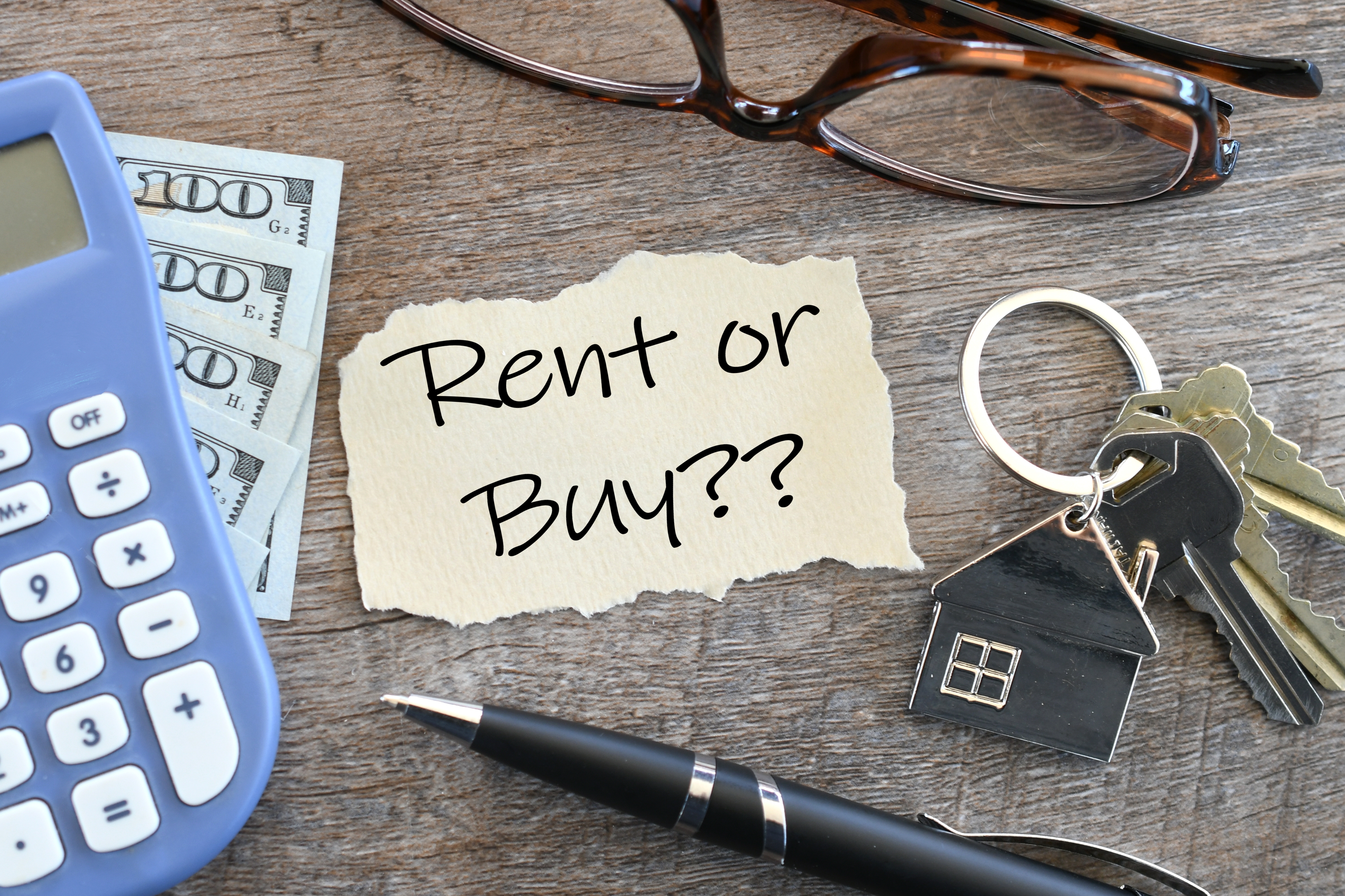
Your plans for the home decide what you do next after you get the keys.
-
● If you intend to live: If you buy a property worth over AED 2 million, you might qualify for the 10-year Golden Visa residency program. This lets you and your family live in Dubai without needing a local sponsor.
-
● If you intend to rent/invest, Dubai gives great rental profits. You need to choose between long-term rentals (stable income with an Ejari contract) or short-term holiday lets (more profit, but much more work).
-
● Managing Property: You will need to pay the yearly service charges and handle any repairs inside your home. Many overseas investors hire a property management company to find tenants, collect rent, and manage the upkeep. We are experts at finding the best Dubai homes for investors who want high rental income.
Common Pitfalls & How to Avoid Them
Even with a safe market, watch out for common mistakes.
|
Pitfall |
How to Avoid It |
|
Unverified Developer/Agent |
Check the RERA and DLD official websites for licenses before starting. |
|
Over-Budgeting |
Budget the full 7%-8% in fees on top of the purchase price. |
|
Hidden Debts/Liens |
Insist on seeing a Title Deed check confirming no outstanding mortgages before the NOC stage. |
|
Off-Plan Delays |
Read the Sales Purchase Agreement (SPA) carefully to understand your compensation rights if the developer misses the handover deadline. |
|
Fake Listings |
Only deal with properties that your RERA-certified agent can verify on the DLD platform. |
Summary & Call-to-Action
Buying your dream home in Dubai involves clear, structured steps, all overseen by the strict regulations of the Dubai Land Department (DLD) and RERA.
Key Steps Recap:
-
● Check Freehold Status: Ensure the area allows 100% foreign ownership.
-
● Set Budget: Account for the 4% DLD fee, 2% commission, and service charges.
-
● Verify: Work only with RERA-certified agents and developers.
-
● Sign: Formalise the deal with the MOU (Form F) and get the NOC.
-
● Transfer: Complete the deal at the Trustee Office to get your Title Deed.
Partnering with a knowledgeable local agency like FP Property gives you a massive advantage. We guide you through the financial rules, handle the DLD paperwork, and ensure your investment is safe from start to finish.
FAQ Section
Q. Can non-UAE residents buy property in Dubai?
A. Yes, absolutely. People who do not live in the UAE can buy property here. You can get 100% ownership (Freehold) in certain popular areas like Dubai Marina, Downtown Dubai, and Palm Jumeirah.
Q. What is the minimum down payment for foreign buyers?
A. If you are a foreign buyer and need a loan from a UAE bank, you will typically need to pay a large down payment. The minimum down payment is usually 35% to 40% of the property’s total price.
Q. What happens if the off-plan developer delays handover?
A. If a developer delays finishing a home that is still being built (off-plan), the contract you signed (SPA) has rules about what happens next. You are generally allowed to ask for compensation for the delay, but you must check the specific terms of your contract.
Q. What are typical service charges in Dubai freehold communities?
A. Service charges are the annual fees for maintaining shared areas (security, pools, gyms). The cost is based on your property's size and usually runs between AED 15 and AED 25 per square foot yearly, depending on the building's luxury level.