

In the real estate market of Dubai, most buyers are buying intensively, but only a few consider treating the property for sale seriously. People spend weeks comparing prices, locations, views and payment plans. They bargain hard at the point of entry and believe that purchasing well is the key to success. What many buyers forget is that every property purchase will one day end in the sale. Whether profit, relocation, upgrading or cash release, there will always be an exit as part of the journey.
Many investors do not begin to think about exit planning until they want to sell. At that point, choices are few. For owners, if the market is slow or the pressure from buyers is weak, it often puts pressure on owners. This is the place where forced discounts occur. FP Property has witnessed this scenario time and again. Properties purchased with a no-exit strategy often remain on the market longer and sell for less than expected.
Exit planning is not guessing what price you will sell years in advance. It is about knowing where demand is going to be in the future prior to investing capital today. Smart buyers have an exit strategy as the basis of buying, not as an afterthought. When exit planning is done before the purchase, decisions are clearer, and risk is reduced significantly.
In a market such as Dubai, where there is persistent growth in supply, and the buyer's choice is continually widening, the separation of strong assets from average assets is done by exit-focused buying. The best deals are not only easy to purchase, but also They are easy to sell.
What Exit Planning Really Involves?
There is often a misunderstanding about exit planning. Many people believe that it only means guessing the future prices. In fact, it has to do with a number of practical and measurable factors that have a direct bearing on resale success.
Identifying Future Buyer Profiles
Every property has its appeals to a particular kind of buyer. Some attract end users, some attract investors, and some only appeal to a narrow niche. Exit planning begins with the asking of a simple question. So who is going to purchase this property from me in the future?
A property that has wide appeal has more exit options. One that appeals to the very specific profile of buyers is riskier. Understanding future buyer profiles helps buyers avoid assets that suffer when reselling them.
Eligibility for Financing at Resale
In Dubai, most of the buyers of the resale market rely on bank finance. If a property is not a mortgage-friendly property, it automatically loses a huge percentage of demand for the same. Exit planning includes appraisal of bank approvals and building ages/age limits, service charges and valuation trends.
A property that is supported by banks today is more likely to be liquid in the future. Financing eligibility has a direct effect on the resale speed and pricing power.
Tenant and Lease Impact
Rental income is important, but tenant structure is even more important at exit. Long leases, poor contract terms, or less-than-market rents can cause delays and/or complications in selling out.
Exit planning takes into account the ease with which a property can be sold vacant or with a flexible lease. The easier the transition is, the greater the pool of buyers.
Price Band Demand
Every price range is different. Some price bands have constant demand, whereas others are very sensitive to market cycles. Exit planning - understanding which ranges of prices will keep the market liquid under various market conditions.
To buy at a price level with steady demand is a much less risky proposition.
Why Exit Risk Is Increasing?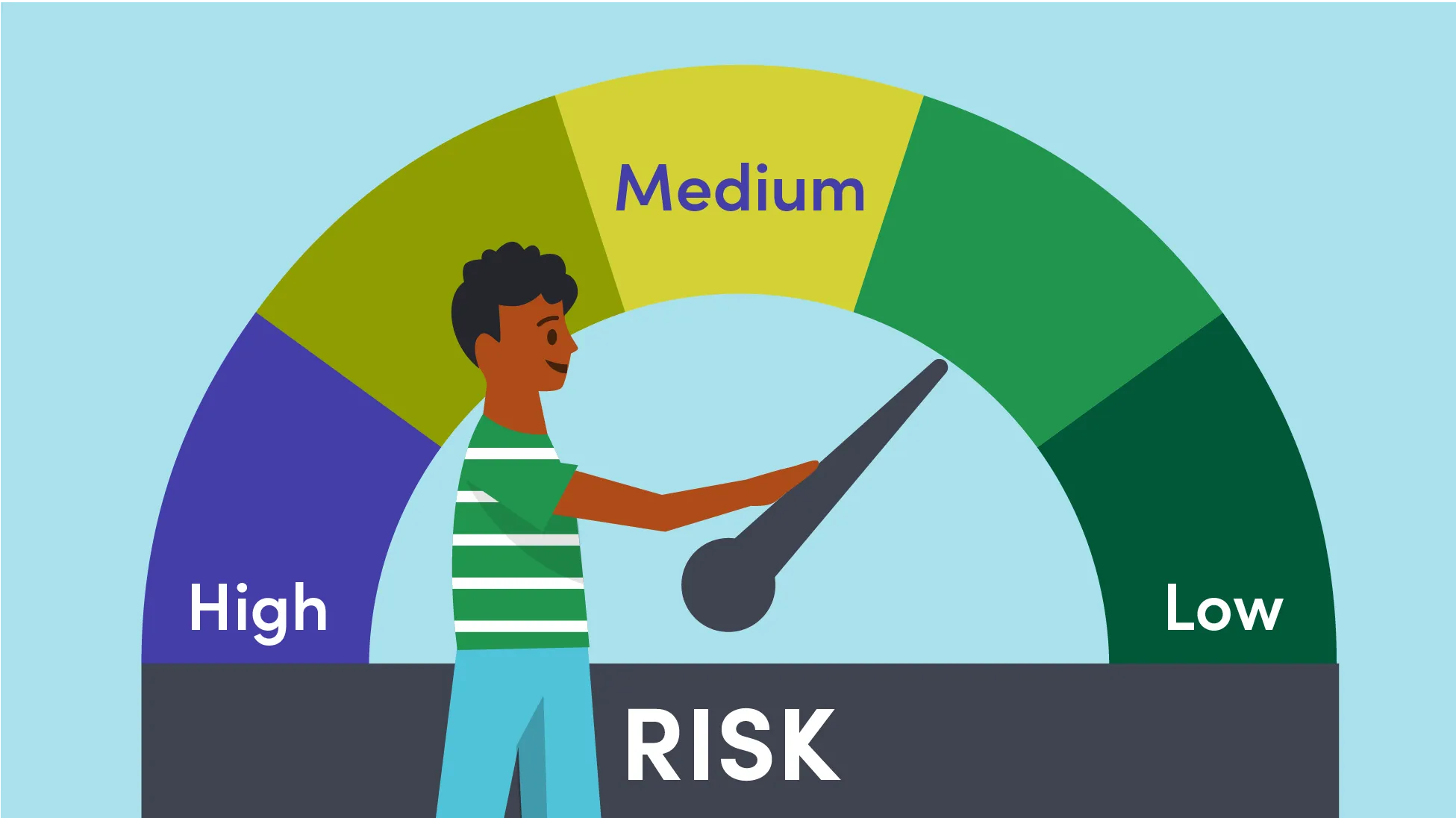
Dubai's property market is on the rise; however, the exit risk is also rising for some assets. This is not because of a lack of demand in general, but because of increasing competition and buyer selectivity.
Supply Competition
Dubai is still releasing new projects annually. Many of these projects are direct competition for resale properties. New buildings have modern designs, attractive payment plans, and marketing incentives.
Average resale stock has a hard time competing unless it is providing some form of obvious value. Properties that do not have strong differentiation face longer selling timelines and price pressure.
Financing Filters
Banks play a major part in the formation of the demand for resale. Lending policies have become more organised. Factors such as the age of the building, the reputation of the developer, the quality of maintenance and service charges impact the mortgage approval.
Properties that are not bankable turn into cash-only assets. This sharply lowers the demand of buyers and raises the risk of exiting.
Buyer Selectivity
Buyers today are more knowledgeable. They look at options over a number of communities and price points. Newspaper and mail ads are found online, and price comparisons are easier than ever.
Buyers are no longer inclined to compromise to a great extent. They doubt layouts, service charges, parking, maintenance and resale potential. Quality and value scrutiny is still rising.
Exit-Ready vs Exit-Risky Assets Compared
Not all properties act in the same way at resale. Some attract buyers quickly, and others struggle for months.
Exit-ready assets usually have a large buyer pool. They are appealing to end users and investors. Mortgage buyers can readily finance them, and this increases the demand. Selling timelines are predictable, and pricing is stable even in slower markets.
Exit risky assets usually have a narrow demand. They may rely on cash buyers alone or cater to some narrow niche. Selling timelines become uncertain, and owners often come under pressure to discount. Forced sales are more probable in times of market changes.
The difference between these two types of assets is rarely by accident. It is, of course, the consequence of decisions made at purchase.
Which Buyer Profiles Need Exit Focus Most?
While exit planning is beneficial to everyone, some profiles of buyers require it more than others.
Investors
Investors depend on income and capital growth. Without a clear game-exit plan, returns are unpredictable. Rental yield is not sufficient if the resale market is weak.
Exit-focused investors are those who are focused on liquidity, financing support and resale appeal from the very first day.
Mortgage Buyers
Buyers using financing have to consider future loan eligibility. If a property becomes difficult to finance at a later time, resale options are reduced. For mortgage buyers, a decision is made to choose properties that are bank-friendly as time goes by.
Overseas Owners
The foreign owners are often short on flexibility. They may have to sell remotely or in certain timeframes. Exit planning helps to relieve stress and avoid hasty decisions in changing circumstances.
Where Exit Demand Is Strongest?
Some property characteristics show consistently higher performance at resale in Dubai.
Mature Communities
Established communities with completed infrastructure attract stable demand. Buyers appreciate known service charges, competent surroundings, and tried and true liveability. Mature communities create less uncertainty and resale liquidity.
Practical Layouts
Homes planned for real living are more practical and desirable than visually good-looking units that don't perform as intended. Efficient layouts, usable balconies, storage space and ease of parking are very significant to buyers. Practical homes sell quicker and retain value better.
Buildings That Have Been Approved for a Mortgage
Buildings that were approved by the big banks have better resale demand. Mortgage approval broadens the range of potential buyers and helps keep prices stable.
Financial Advantages of Exit-First Buying
Exit planning is not simply a way of reducing risk. It also has financial advantages.
Lower Holding Risk
Properties that have high resale demand minimise the risk of holding on to the property for a long time. Owners are free to exit when necessary without being overly financially burdened.
Stronger Resale Pricing
In situations where there is more than one buyer for a property, sellers can maintain pricing power. Exit-ready assets are better for protecting capital in a market correction.
Greater Flexibility
Exit-focused buying provides owners with options. They can sell, refinance or hold confidently depending on market conditions and personal needs.
Risks That Trap Owners at Resale
Many property owners in Dubai get stuck at the time of resale, not because the market is bad, but because of decisions taken at the beginning. These risks often continue to remain hidden for years and don't come to light until the owner attempts to exit.
One major risk is that of overpaying at entry. Buyers sometimes get emotionally attached to a unit, view or launch offer and agree to a price which is already higher than the market price. When it is time to sell, the market is not a place to reward emotional decisions. Even in a rising market, overpaying gives less profit and may compel the owners to wait for a longer time or to accept low offers.
Another trap many fall into is ignoring tenant timing. A long or poorly structured lease can generate a property rent, but it can be hard to sell. Many end users want empty units, and the investors want flexibility. If the lease does not make it easy to get out of the contract, buyers walk away or demand a discount.
Only relying on future appreciation is another serious risk. Some buyers assume that prices will always be rising and that exit takes care of itself. Markets go in cycles, and not all properties grow at the same rate. Without strong demand and liquidity, appreciation is not sufficient to ensure that an exit will occur smoothly.
FP Property Insight: Our Exit Stress Testing Process
At FP Property, exit planning is considered a key part of each and every property decision. We don't believe in buying first and hoping the exit will work out later. Instead, we see how a property will be worth when resold before the purchase is even made.
The process begins with a detailed analysis of the buyer pool. We research who the buyers of the future are likely to be and how many of them are in the market. This includes end users who want to live in the property, investors who want returns and buyers who depend on bank financing. A property that appeals to all three groups is considered to be far stronger than one that simply appeals to a narrow audience.
Next, we perform valuation stress testing. Instead of basing our analysis on optimistic price growth, we examine different market scenarios. We see how the property fares in stable markets, slower times and periods of high supply. This helps us to identify those assets that have value even in not-so-ideal conditions.
We also place a lot of emphasis on market forecasting. Many sellers underestimate the amount of time it can take to sell a property. Using similar transactions, present competition, and buyer behaviour, we provide estimated selling timelines. This saves buyers from making investments in properties that are attractive but may not be sold off for long periods of time.
Market Outlook: Liquidity Is Becoming Selective
Dubai's real estate market has come of age over the years. While there is still a high level of activity, liquidity is no longer evenly distributed among all properties. Some assets sell fast and easily, while others struggle despite similar prices.
Properties with strong fundamentals are getting a nice edge. These include homes in established communities, buildings that have good maintenance, practical layouts and complete mortgage approval. Certainty and long-term usability: buyers are willing to pay a premium for these.
On the other hand, average properties are facing growing challenges. Buyers today compare several options before taking decisions. If a unit does not obviously provide value, it is quickly forgotten. As this supply continues to grow, this gap between strong and weak assets is expected to grow even wider.
This shift exists; planning is more important than ever. Buyers who only rely on the entry price may end up holding properties that are very hard to sell later, even in a generally good market.
Common Exit Planning Mistakes
One of the largest errors that the buyer makes is not defining the resale buyer from the beginning. Many people make purchase decisions based on personal preference or marketing appeal, with no thought as to who is going to realistically purchase the property down the road. This results in low demand at exit.
Another very common mistake is poor lease planning. Owners often place more importance on rental income without considering flexibility. End users can be scared away by long or poorly structured leases, as well, investor interest is limited, and sellers are forced to wait or discount.
Ignoring the effect of financing is another serious problem. Many buyers think that if they can afford to purchase a property, then others will be able to in the future. In reality, the policies of banks change, and not all buildings are mortgage-friendly. When financing is limited, resale demand is drastically reduced.
Exit Turns Strategy Into Profit
Exit planning is what separates a smart property purchase from a risky one. In Dubai’s real estate market, buying a property is only the first step. The real success of an investment is decided at the time of exit. If selling is difficult, delayed, or requires heavy discounting, even a good purchase can turn into a weak outcome.
When buyers plan their exit before they buy, every decision becomes clearer. They choose locations with steady demand, buildings that banks support, and layouts that appeal to real buyers. This approach reduces emotional buying and replaces it with practical thinking. It also protects buyers from market shifts, oversupply, and sudden changes in personal circumstances.
Exit-focused buying gives owners confidence and flexibility. Whether the goal is to sell, upgrade, or release capital, the property remains an asset, not a burden. In a market where buyer choice is increasing and competition is growing, exit planning is no longer optional. It is essential. Speak to FP Property to invest with the exit already planned.