

Why Community Maturity Outperforms New Launch Appeal in Dubai

In the fast-moving real estate market of Dubai, the launch of new properties often appears exciting. Shiny brochures, modern designs, and attractive payment plans make new developments seem the smart choice. Many buyers are attracted to the notion of being the first owner and living in a fresh and modern environment. On the surface, new launches appear to be safer, better, and more valuable in the future.
But reality often is very different when people actually move in. At FP Property, we see a rather obvious pattern. Buyer complaints tend to rise sharply at twelve to twenty-four months of age at handover in many new communities. This is the time when the excitement wears off, and life begins. Promised facilities remain unfinished, service charges go up unexpectedly, and the environment surrounding the facility may still seem incomplete.
Marketing visuals have a large part to play in this letdown. Rendered images depict the presence of green parks, busy cafes, and vibrant streets. In actuality, many of these elements take years to develop fully. Buyers understand that what they bought was not a complete lifestyle, but a promise of one.
As Dubai's property market matures, more buyers are beginning to care more about stability than novelty. Mature communities are becoming more attractive for end users as well as investors because they provide certainty. What you see is what you get. There are fewer surprises, fewer regrets, and more predictable outcomes. This change in the mindset of the buyer is altering the demand scenario across Dubai.
What “Community Maturity” Actually Means in Dubai Real Estate
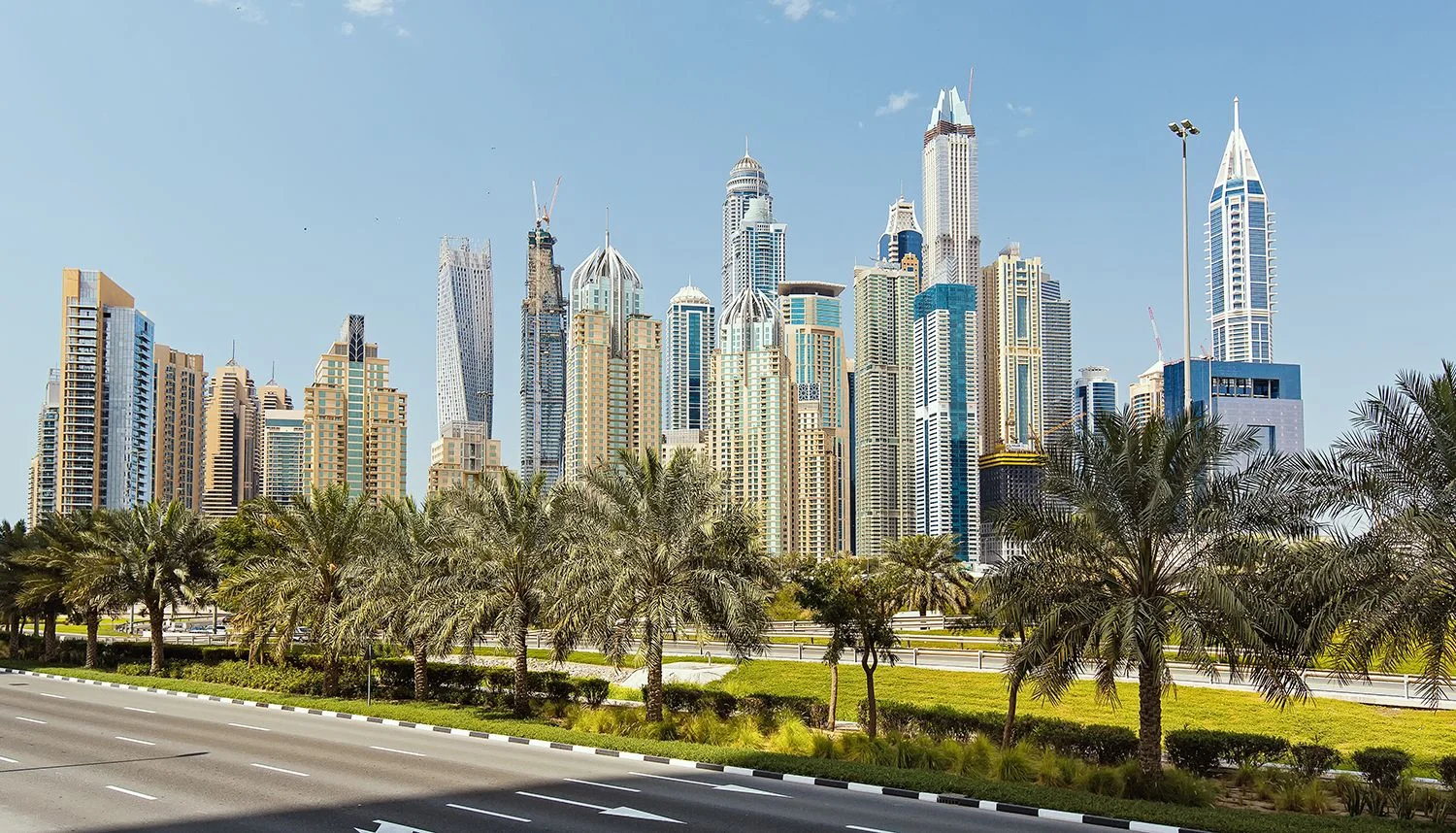
Community maturity is easy to misunderstand. Many people assume that once a project is done and handed over, the project is mature. In Dubai, this is rarely true.
A mature community is a community that has been running smoothly for several years. It is not only about buildings being completed. It is about how the entire area works on a day-to-day basis.
First, mature communities have fully functioning infrastructure. Roads, parking, utilities, landscaping, and amenities are not only promised, but actively maintained. Pools, gyms, parks, and retail spaces are open, functional, and managed properly.
Second, community management is stable. The owners' association or management company has experience in running the development. Rules are clear, maintenance routines are laid out, and service problems are dealt with productively.
Third, service charges are predictable. In mature areas, the costs are based not on estimates, but on actual operating history. Buyers can look back on previous budgets and be aware of what they are likely to be paying in the future.
Fourth, there is an established resident mix. People know what kind of neighbours are living in an area. Behavioural norms are formed. Noise levels, parking habits and the culture of the community are more settled.
One of the confusions in Dubai is between completed and mature. A building can be concluded, but still immature. True maturity requires time, use and constant management.
Why New Launch Risk Is Rising
While the new launches still attract attention, the risks associated with them are becoming more visible. Buyers now are more informed, and most are learning from past mistakes.
Operational Uncertainty
In new developments, amenities are often postponed or reduced. What is displayed during sales may not be a perfect match of what is delivered. Pools may open late, retail spaces may be empty, and landscaping may take years to appear presentable.
Access roads, parking patterns and public transport connections also take time to develop. Residents are often forced to live in constant adjustments, temporary solutions and ongoing construction.
During this stabilisation phase, the residents pay costs in terms of inconvenience. Daily routines are stressful, particularly for families and working professionals who place a major premium on predictability.
Cost Volatility
Service charges in new launches are generally estimated. Developers set initial budgets that are based on assumptions and not actual operating data. Once an active community is created, real costs start to appear.
Maintenance expenses, security, cleaning and utilities are often more expensive than anticipated. As a result, service charges can increase dramatically for the first few years. Buyers who planned their budgets carefully are faced with higher ongoing expenses. This volatility may impact affordability and overall satisfaction.
Demand Is Still Unproven
In new communities, the demand is theoretical. Developers assume that there will be tenants and buyers, but the market has yet to test this assumption.
Often, a number of new projects are launched simultaneously in the same area. This creates competition and dilutes demand. Rent prices are open to pressure, and resale values are unknown.
Without a proven transaction history, it is new to predict exit pricing. What appears to be a good deal at the time of entry may fail to perform later.
Mature vs New Communities: Key Differences
The difference between mature and new communities in Dubai is clearer when buyers change from theory to real-life experience. On paper, new developments often look better because all the features look modern, as if they have never been used. In actual practice, mature communities will often falter in those areas that are most important over time.
In mature communities, there is already proven demand. People are actively living, renting and buying there. This demand has withstood different market conditions, which testifies that the location works during strong markets as well as slower periods. In contrast, future demand - not yet tested - for new communities. Buyers tend to be asked to believe projections, not evidence.
Costs are another major difference. In the case of mature communities, service charges are based on actual operational data accumulated over a period of several years. Buyers can look back at past budgets and get an idea of how costs have changed over time. This leads to confident feelings, and the result is the ability to plan financially better. In new developments, it is often the case that service charges are estimated and may be adjusted later, or that actual service charges are higher than expected, and this can lead to frustration.
Lifestyle stability is also very different. Mature communities typically have completed surroundings, amenities in terms of working facilities, and minimal construction. Residents can have undisturbed access to parks, shops, and facilities. New communities typically experience extended periods of construction, noise, dust and incomplete public areas, which impact daily comfort.
Resale potential is generally better in mature communities because the buyers are aware of what they are buying. There is less fear of undisclosed problems or unsatisfied promises. In new areas, exit price is highly dependent on the development of the community, which adds uncertainty.
Which Buyer Segments Are Driving Demand for Mature Communities?
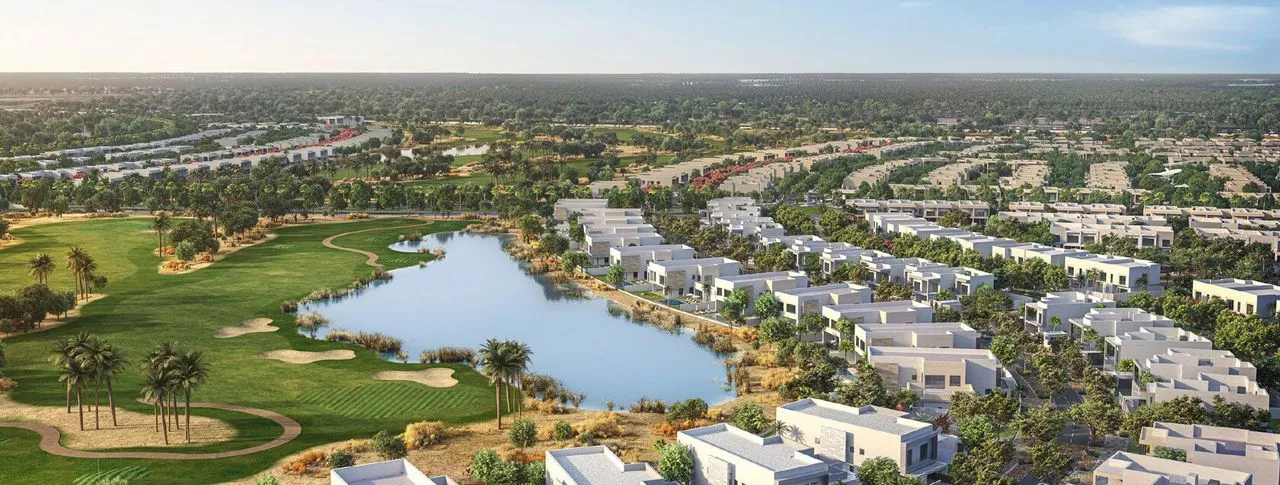
The increasing preference for mature communities is not just a preference within one category of buyer. Several buyer segments are actively making purchasing decisions based on practical and lifestyle reasons regarding the established areas.
Families are one of the biggest demand drivers. Parents appreciate stability, safety and routine. Mature communities often have nearby schools with existing reputations, safe areas for walking and family friendliness. Parents also appreciate knowing who their neighbours are and how the community acts daily. This sense of predictability is hard to achieve in new areas that are newly launched.
End users moving to Dubai are another important group. Many professionals travel around with set work beginning dates and family investments. They do not have the flexibility to wait to see amenities, retail or transport links come into operation. Mature communities mean that they can settle down quickly and get on with work and family life without having to deal with ongoing development issues.
Also, investors are moving towards mature areas. Those who want rental income now want places where there is a steady demand for tenants. Established communities enable investors to evaluate actual rental performance instead of basing it on optimistic projections. Lower vacancy risk and predictable expenses make such areas more appealing for long-term investment strategies.
Where Community Maturity Delivers the Most Value
Community maturity provides the greatest value in areas that have been in successful operation for many years. Master planned communities with a long track record tend to demonstrate stable pricing, demand and lifestyle appeal.
Neighbourhoods that have completed retail centres, supermarkets, schools, clinics and public transport connections provide convenience on a day-to-day basis. These elements lead to less dependence on cars, less time and a better quality of life. Buyers are willing to pay more for areas where all they need is already there.
Mature areas are also benefiting from social infrastructure. Cafes, Community Events, walking paths and shared spaces give a feeling of belonging. These features require time to develop naturally and cannot be hurried along through construction alone.
Another important measure of value is transaction activity. Areas with frequent resale and leasing transactions allow for transparency. Buyers will be able to analyse actual prices and rental rates, which makes the decision-making easier and more confident. This degree of visibility is rarely available in newly launched communities.
Financial Advantages of Established Communities
From a financial point of view, existing communities have several advantages that ensure less risk and more predictability.
One of the greatest advantages is instant rental income. Investors can buy a property and start receiving rent in no time. There is no waiting period for handover or community completion, which improves the cash flow from the start.
Cost control is another benefit. Mature communities have stable service charge histories, making it easier to plan for long-term expenses. Buyers are less likely to be affected by sudden rises as the operational costs are already well known.
Return forecasting is more reliable. Historical rental data, occupancy levels and resale prices make it possible for buyers to project returns based on actual performance, rather than on assumptions. This helps investors to set realistic expectations and avoid disappointment.
At the time of resale, there is a higher level of buyer confidence in established communities. Buyers are comfortable committing to areas that they recognise and understand. This often leads to more constrained resale timelines and greater price stability than newer developments.
Risks Even in Mature Areas
While mature communities have many advantages, buyers should not assume they are totally risk-free. Every property decision still needs to be well evaluated, even within well-established locations.
One common risk is being overpaid due to reputation. Popular communities usually have a strong name and old history, which can drive the prices increasingly higher than the real value of certain units. Not all properties in a mature area are equal. Factors such as layout, view, floor-level, and quality of maintenance still matter and can affect long-term performance.
Another threat is ageing infrastructure. As communities age, buildings, utilities, and shared facilities need to be maintained on a regular basis and need to be upgraded periodically. If community management fails to properly invest in it, the quality of life can deteriorate over time. Buyers should always look at how well the area has been maintained; it's not just how long it has been in existence.
There is also the potential for management complacency. In a few long-standing communities, management teams are often less active because the area is already popular. Slow response to issues or declining levels of service can lead to slow erosion in resident satisfaction. This makes it important to evaluate existing management performance and not rely on past reputation alone.
FP Property Insight: How We Screen for Community Maturity
At FP Property, community maturity is assessed using a detailed and practical screening process. We are concerned with real-world performance and not with surface-level impressions.
Our first step is operational readiness. We measure whether amenities are all working and used regularly. This includes pools, gyms, parks, security, parking and retail spaces. We also take into account how quickly problems are solved and how smoothly the day-to-day running of the organisation takes place.
Next, we perform a cost stability review. Data on service charge histories is compared for trends, increases or underbudgeting. Communities with a stable and transparent cost structure have a priority as they reduce financial stress for both owners and tenants.
We also learn about resident profiles and turnover rates. A healthy community typically exhibits balanced occupancy, enduring tenant retention, and end users and long-term renters. High turnover can be an indicator of underlying problems.
This structured approach gives us the ability to guide buyers to communities that provide comfort, reliability and long-term value as opposed to short-term excitement.
Market Outlook: Why End-User Demand Is Rising
Dubai is experiencing a noticeable shift as more people choose to settle long-term rather than treat the city as a temporary stop. Lifestyle-driven buying is increasingly taking precedence over speculative investment, with buyers prioritising comfort, convenience, and reliability over short-term gains.
As a result, properties in well-established communities are becoming more valuable, commanding a resale premium due to their proven stability and appeal. These mature neighbourhoods often offer better infrastructure, schools, amenities, and a sense of community that newer developments may take years to achieve.
This trend is expected to continue as the market matures, reinforcing the idea that investing in established, stable areas is not only safer but also a smarter long-term choice for both residents and investors.
Common Buyer Misjudgments About New vs Mature Areas
Many buyers enter the Dubai property market with assumptions that later lead to regret. Understanding common misjudgments can help avoid costly mistakes.
One frequent error is believing that new automatically means better. While new buildings may look modern, they often come with untested systems, unclear management standards, and uncertain living conditions. Newness alone does not guarantee quality or comfort.
Another misjudgment is ignoring operational timelines. Buyers often underestimate how long it takes for a community to function smoothly. Even after handover, it can take years for amenities, retail spaces, and infrastructure to reach full usability. During this period, residents deal with inconvenience and disruption.
Buyers also tend to underestimate stabilisation costs. Early years in new developments often involve rising service charges and unexpected maintenance expenses. These costs can significantly affect affordability and investment returns.
Recognising these risks early helps buyers make more informed and realistic decisions.
Conclusion: Stability Beats Speculation
Dubai’s real estate market is evolving, and buyer priorities are changing with it. While new launches will always attract attention, long-term satisfaction increasingly comes from stability rather than speculation.
Mature communities offer clarity. Buyers know what they are purchasing, what it costs to maintain, and how it performs over time. This reduces stress, limits surprises, and supports both lifestyle and financial goals.
For end users, established areas provide comfort, routine, and a sense of belonging. For investors, they offer predictable income, tested demand, and stronger resale confidence.
For buyers seeking proven options in Dubai, speaking with FP Property will help identify communities with real operating history and dependable performance. Choosing maturity today often leads to smarter outcomes tomorrow.