
The Dubai property market is growing quickly in 2026. For an investor, the key to making a truly great investment lies in one choice: Should you use Long-Term Leases (LTRs) or Short-Term Rentals (STRs)?
As you already know, record numbers of tourists and strong migration are creating huge opportunities. The question is, which path will give you the most profit?
Standard yearly contracts offer income you can depend on. In contrast, the active holiday-home market promises very high profits during the busiest seasons. This decision will change everything for you. It impacts how stable your income is, how much maintenance your property needs, and how much your wealth grows over time.
You should not accept simply average returns. This guide will make the issue simple. It will show you which model is most likely to give you the best financial results in 2026 and the coming years.
Dubai’s Rental Market Outlook for 2026

The Dubai property market is clearly shifting. It is moving toward high-quality, investment-grade rental properties. This means the standard for homes, whether long-term or short-term, is getting higher.
Why the Debate Matters in 2026
Choosing between long-term and short-term rentals is now a major strategic decision. This is because short-term rentals (STRs) consistently offer the chance for higher gross income. However, long-term rentals (LTRs) offer stability and less hassle. You need to weigh higher potential profit against guaranteed, stable cash flow.
Dubai’s Demand Drivers
The city’s success is built on constant growth.
-
Tourism: Huge numbers of visitors fuel the short-term market.
-
Migration: More people moving to Dubai for work and life boost the long-term market.
-
Business Hubs: New corporate centres bring in business travellers and long-term residents.
-
Golden Visa: The visa program encourages high-net-worth individuals to settle here, boosting long-term demand for quality homes.
Understanding Long-Term Rentals in Dubai (Definition + 2026 Trends)

A long-term rental is the traditional way to invest. It offers security and ease of management.
Who Chooses Long-Term Rentals and Why?
People choose LTRs when they plan to live in Dubai for one year or more. This includes families, working professionals, and expatriates. They want stability, a fixed monthly cost, and the ability to furnish the home themselves.
Typical Contracts and Law Updates
A long-term contract lasts for at least 12 months. It must be registered with Ejari, the government’s registration system. Ejari protects both you (the landlord) and the tenant. Recent law updates focus on rental caps and tenant rights, ensuring the market remains stable and fair for everyone.
Key Zones Strong for Yearly Rentals in 2026
Some areas perform best for LTRs because they focus on affordability and convenience.
-
JVC (Jumeirah Village Circle): Great value and high demand from middle-income families.
-
Arjan and JVT (Jumeirah Village Triangle): Newer communities offering modern homes at competitive prices.
-
Dubai Hills Estate: Popular with higher-income families looking for large, green homes.
Benefits from a Stability and Cashflow Standpoint
The main benefit of an LTR is stability. You get a fixed, predictable income every year. Your expenses are low, and the property management required is minimal. This is a very passive way to invest.
Understanding Short-Term Rentals in Dubai (Definition + 2026 Trends)
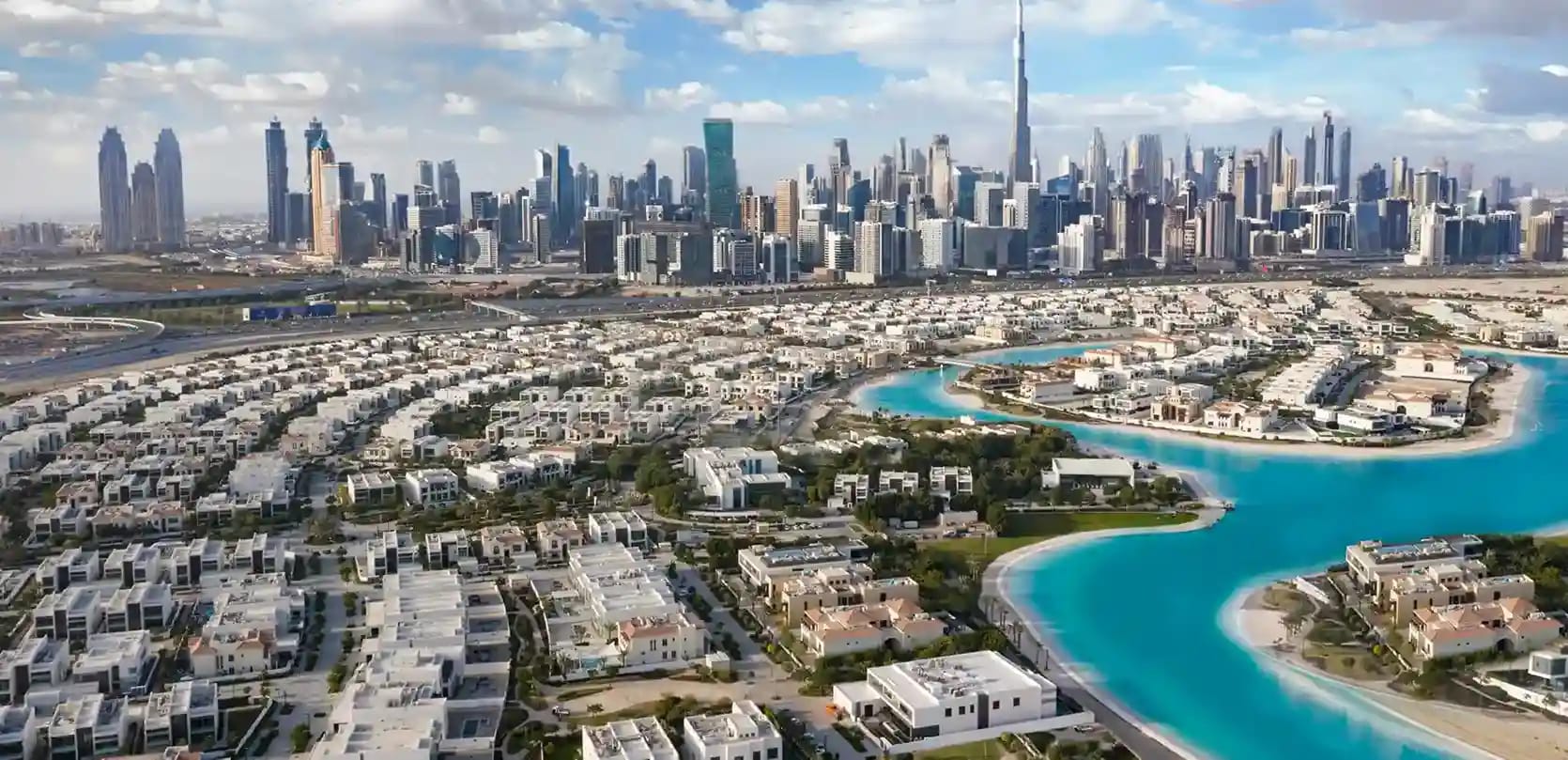
Short-term rentals have exploded in popularity. They are a direct response to Dubai’s massive tourism industry.
What Qualifies as a Short-Term/Holiday Home
A property rented for any period less than six months is considered a short-term rental or holiday home. These units must be fully furnished and equipped.
DTCM Rules and Licensing in 2026
To operate an STR legally, you must obtain a licence from the Department of Economy and Tourism (DET, formerly DTCM). You must use a licensed operator or obtain a licence yourself. Rules in 2026 emphasise quality, safety, and payment of the small Tourism Dirham Fee. Compliance is strict.
Tourism Data Driving Short-Term Demand
Dubai continues to welcome record numbers of tourists, business visitors, and remote workers. These visitors often prefer the space, privacy, and cost-effectiveness of an apartment over a hotel room. This huge, constant supply of tourists fuels demand for STRs.
Popular Short-Term Investment Communities
Location is everything for STRs. These areas consistently bring in the highest returns:
-
Dubai Marina: High year-round occupancy due to waterfront views and easy access.
-
Downtown Dubai: Highest nightly rates due to proximity to Burj Khalifa and Dubai Mall.
-
Palm Jumeirah: Luxury segment, drawing affluent visitors willing to pay a premium.
-
Dubai Creek Harbour: A Growing area with future demand potential from new attractions.
ROI Comparison: Long-Term vs Short-Term Rentals in 2026

The potential for profit is the core of this decision. Both models yield excellent returns, but the ceiling is higher for one.
Typical ROI Ranges
-
Long-Term Rentals (LTRs): Typically offer a net yield between 5% and 8% annually. This is a secure, reliable range.
-
Short-Term Rentals (STRs): Can achieve a net yield between 8% and 12% annually. However, this range has higher risks and operating costs factored in.
Occupancy Rate Trends Expected for 2026
LTRs generally have a 95% to 100% occupancy rate over a 12-month period, offering high predictability. STRs might average a 70% to 80% occupancy rate annually. However, during peak months (October to April), STR occupancy can hit 95% or more, allowing for premium rates that compensate for lower summer bookings.
Example Calculation (Scenario-Based ROI Comparison)
Imagine two identical one-bedroom apartments.
-
LTR Scenario: The unit is rented for AED 80,000 per year. After service charges, the net yield is 7%. This is a reliable, easy profit.
-
STR Scenario: The unit sits empty for 80 nights but is booked for 285 nights at an average of AED 400 per night. This generates a gross of AED 114,000. Even after high costs (cleaning, commissions), the net yield often surpasses 9% to 10%. The higher gross income drives the higher final profit.
Revenue Volatility: Predictability vs Flexibility

Your cash flow expectations are crucial. One model is a fixed stream, and the other is a fluctuating tide.
Cashflow Stability with Long-Term Leases
LTRs offer maximum cashflow stability. You know exactly how much rent you will receive each year. Payments are often made in one to four cheques, making budgeting very simple and predictable.
High but Seasonal Returns with Short-Term Rentals
STRs deliver high but seasonal returns. Your income will spike dramatically in the winter and drop during the hot summer months. This requires you to manage your finances knowing that some months will bring low income.
How New Events and Tourism Cycles Influence Short-Term Returns
Major events, such as concerts, large exhibitions, and global sporting tournaments, instantly create peak demand. This allows you to charge premium rates for a few days, hugely boosting your yearly profit. LTRs do not benefit from these short-term demand spikes.
Risk Profile for Each Strategy in 2026
-
LTR Risk: Low risk of vacancy, but risk of the rental rate not keeping up with market growth.
-
STR Risk: High risk of vacancy during the low season, but high potential for large profits during the peak season.
Cost Comparison: Which Strategy Has Higher Expenses?

To find your true ROI, you must look closely at the operating costs.
Long-Term: Minimal Furnishing, Fewer Operational Costs
LTRs require minimal upfront furnishing costs (or none if rented unfurnished). Operational costs are low. The tenant typically pays for all utilities (DEWA, cooling). You mainly pay annual service charges and property maintenance, which is usually low.
Short-Term: Higher Operational Costs
STRs have significantly higher costs.
-
Furnishing: You need high-quality furniture and styling.
-
Utilities: You pay all utility bills (DEWA, cooling, internet, TV).
-
Cleaning: Professional cleaning after every guest check-out.
-
DTCM Fees: Annual licensing fees.
-
OTA Commissions: Fees paid to booking platforms like Airbnb and Booking.com.
Maintenance Cost Variations in 2026
Due to the high foot traffic, STRs experience more wear and tear. Maintenance costs for STRs are therefore higher. In 2026, inflation and the rising cost of services mean these higher operational costs for STRs must be managed carefully to preserve the high net yield.
Legal & Regulatory Considerations in 2026

Compliance is non-negotiable in Dubai. Understanding the rules saves you from potential fines.
RERA Regulations for Long-Term Leases
Long-term leases fall under RERA (Real Estate Regulatory Agency). RERA protects tenant rights, regulates rent increases through the RERA rental index, and manages disputes. This framework provides a clean, stable legal environment.
DTCM Regulations for Holiday Homes
STRs fall under the DET (DTCM). Rules cover safety standards, furnishing quality, and mandatory licences. The system is designed to maintain Dubai’s reputation as a premium tourist destination.
Compliance Requirements
For LTRs, compliance is simple: registering the Ejari contract. For STRs, compliance is ongoing: licence renewal, ensuring all guests are registered, and regular quality checks. Failing to comply with DET rules can result in heavy fines and the loss of your licence.
Impact of Fines, License Renewals, and Updated Rules
Licence renewals and potential fines for non-compliance (STRs) add to the operating cost and management effort. This is a key factor that lowers the overall passiveness of the STR model.
Property Type & Location Impact on Returns

The property's profile is the biggest driver of success in either model.
Best Property Types for Long-Term Rentals
LTR success is driven by value and convenience.
-
Best Types: Apartments (studio, 1-bed, 2-bed) in mid-income, highly connected communities.
-
Locations: JVC, Jumeirah Lakes Towers (JLT), and parts of Business Bay attract working residents looking for stable homes.
Best Property Types for Short-Term Rentals
STR's success is driven by experience and location.
-
Best Types: Waterfront units, properties with iconic views (Burj Khalifa), and branded residences.
-
Locations: Dubai Marina, Downtown, and the Palm. Guests are paying for a premium Dubai experience.
Why Location Determines ROI More Than Property Size?
In STRs, a small studio with a Burj Khalifa view can earn more than a large two-bedroom unit in a less famous area. For LTRs, proximity to the Metro or major schools drives demand. Location is the income multiplier.
Insights from 2026 Market Predictions
New communities are changing the map. Handover of new units in areas like Dubai Creek Harbour will boost the STR supply. Meanwhile, the growing demand from remote workers may keep LTR prices high in central, convenient areas.
Investor Profiles: Who Should Choose Which Strategy?

Your personal financial tolerance and involvement level should decide your strategy.
Long-Term Rental Profile: Risk-Averse, Passive Investors
This model is best for the risk-averse investor. If you prefer guaranteed income, low effort, and predictable expenses, LTRs are for you. It is a true passive investment where the property manager does minimal work.
Short-Term Rental Profile: Investors Seeking High Returns and Flexibility
This is for the investor who seeks the highest possible return and is comfortable with fluctuating income. You accept higher risk and costs for the chance of significant profit. You also gain flexibility to use the property yourself or sell it quickly.
Golden Visa Investors and Which Model Aligns Best in 2026
Golden Visa investors often buy premium, high-value homes. These homes perform exceptionally well as STRs (high nightly rates). However, if the investor intends to use the property personally for a few months a year, the hybrid model (see Section 11) is often the best fit.
Overseas Buyers vs UAE Residents
-
Overseas Buyers: Often prefer STRs managed by a third party for the high potential yield, funding their travel.
-
UAE Residents: Might prefer LTRs for local stability and less active management effort.
Impact of Market Trends in 2026

Market trends are shaping the future of both sectors.
Increase in Remote Workers Impacting Yearly Rental Demand
Dubai's visa reforms are attracting more remote workers. While some prefer STRs, many stay for six months to a year, boosting demand for mid-to-long term furnished rentals. This creates a strong new sub-market for LTRs.
Tourism Surge Forecasts for 2026 Affecting Short-Term Rental Occupancy
Tourism forecasts remain incredibly strong for 2026. This ensures that the high occupancy rates needed to justify the high costs of STRs will continue. This protects the higher yield potential of the STR market.
Growing Preference for Serviced Apartments
More visitors, especially corporate guests, now prefer serviced apartments. These fall into the STR category but offer hotel-like quality and convenience. This trend supports higher nightly rates.
Supply Pipeline: New Handovers and How They Influence Rental Returns
A large number of new units will be handed over in 2026. This will increase the overall supply. It will put pressure on LTR rental rates in non-prime areas. However, demand in STR tourist zones should remain high enough to absorb the new supply without significant rate drops.
Hybrid Strategy: Combining Both for Optimised ROI
You do not have to choose just one. A flexible approach can maximize profits while maintaining some stability.
Converting Between Short-Term and Long-Term Based on Season
The hybrid strategy involves renting as an STR during the peak winter season (October to May) and then converting to a six-month LTR during the slow summer season. This secures a guaranteed income floor during the slow months while capturing high-rate profits during the peak.
Using Property Management Services
A professional property management service is essential for the hybrid approach. They handle the licensing, seasonal conversion, and all the associated operational tasks.
Flexibility Models Emerging in 2026
New management models are emerging that handle this conversion automatically. They use dynamic pricing and forecasting to switch the property type at the most profitable time. This is the most optimized approach for maximizing your annual ROI.
Case Studies & Data-Backed Scenarios (Unique Angle)
Let us examine two real-world investment paths based on 2026 expectations.
Example: 1-BR in Dubai Marina (Short-Term) vs 1-BR in JVC (Long-Term)
|
Factor |
Dubai Marina (STR) |
JVC (LTR) |
|
Purchase Price |
High (AED 1.5M) |
Mid (AED 900K) |
|
Expected Gross Revenue |
AED 120,000 |
AED 65,000 |
|
Operational Costs |
High (AED 25,000+) |
Low (AED 5,000) |
|
Net Yield |
9.5% |
7.5% |
Comparative Scenario Based on 2026 Expected Market Behaviour
If the investor chooses the JVC unit, the 7.5% net yield is nearly guaranteed, with zero effort. If the investor chooses the Dubai Marina unit, they face operational effort and higher risk, but their potential profit (9.5%) is significantly greater.
Scenario Outcomes: ROI, Vacancy, Operational Costs
The JVC unit offers high stability and low hassle. The Marina unit offers the highest ROI potential but requires dedicated management to ensure high occupancy, justify the purchase price, and handle the high operational costs.
Expert Insights from Dubai Brokerages

What are the professionals seeing on the ground?
What Investors Are Choosing in 2026?
Most international investors are leaning toward the Short-Term Rental (STR) model. They are attracted by the higher gross income potential. They are happy to outsource the high management effort to a professional operator.
On-Ground Insights from Transaction Activity
Transaction data shows strong demand for properties in tourist-heavy zones (Downtown, Marina) from investors specifically stating the intent to run the property as a holiday home. This confirms the belief that STRs will remain the higher-yield option.
FP Property’s Internal Observations from Client Behaviour
We see a growing trend toward the hybrid strategy. Our clients want both the stability of an LTR and the high returns of an STR. We manage the seasonal conversion to lock in the highest possible combined annual income.
Final Verdict: Which Rental Strategy Offers Better Returns in 2026?
The clear answer is: It depends entirely on your financial goals and your risk tolerance.
-
Short-Term Rentals = Higher Returns: STRs offer the highest potential net yield (8% to 12%). However, they demand more effort, carry higher costs, and have high volatility (income fluctuates).
-
Long-Term Rentals = Stability and Lower Effort: LTRs offer stable returns (5% to 8%) and are the most passive form of investment. They are ideal for investors who prioritize security and predictability over maximum profit.
If you are seeking maximum financial growth, the short-term model is superior, provided you use professional management. If you seek guaranteed, hands-off income, choose the long-term model.
Consult FP Property for Optimised Investment Advice
Do not guess which strategy is right for you. Your ideal investment should be based on your budget, your timeline, and the specific property you own.
Emphasise Tailored Strategies Based on Investor Goals
FP Property provides personalised advice. We assess your goals and match you with the best strategy LTR, STR, or the Hybrid Model. We ensure your investment works for you.
Encourage Consultation
Consult FP Property today. Let us help you calculate your exact ROI potential using 2026 market data. We will guide you to the most profitable investment strategy in Dubai.
Internal Link to Relevant Property Listings
Explore our high-yield property listings in the top-performing LTR and STR communities.