

Why Service Charges Impact Long-Term Profitability
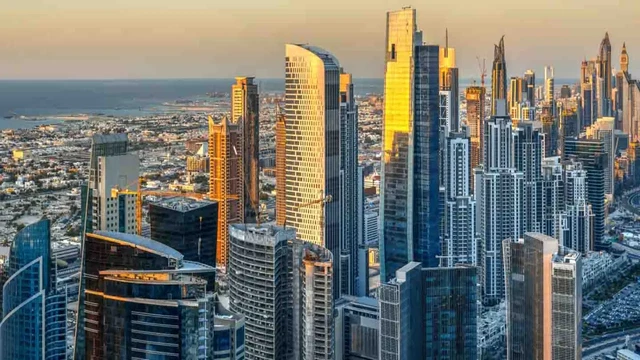
Many investors are only concerned about the purchase price when entering the Dubai real estate market. They check the view, the location, the finishing and the expected rent. But service charges silently influence what actually comes into your pocket every year. These ongoing fees ensure the building runs and the community remains usable. They include cleaning, security, cooling systems, maintenance and every shared space inside the development.
The reason investors need to pay attention is simple. These charges are not identical everywhere. A high-rise tower in Downtown may carry a very different fee compared to a mid-rise building in Jumeirah Village Circle. Even within the same neighbourhood, two towers can have a significant difference in cost because one may have more amenities or higher-quality finishing.
Nothing blindsides new property owners quite like discovering their annual service charges exceed AED 30,000 for a modest apartment — costs that somehow never appeared in the glossy sales brochures or agent presentations.This guide breaks down the categories, the reasons for excessive charges, how they impact rental returns and how you can determine whether a building's fees are worth it.
Breakdown of Service Charge Categories
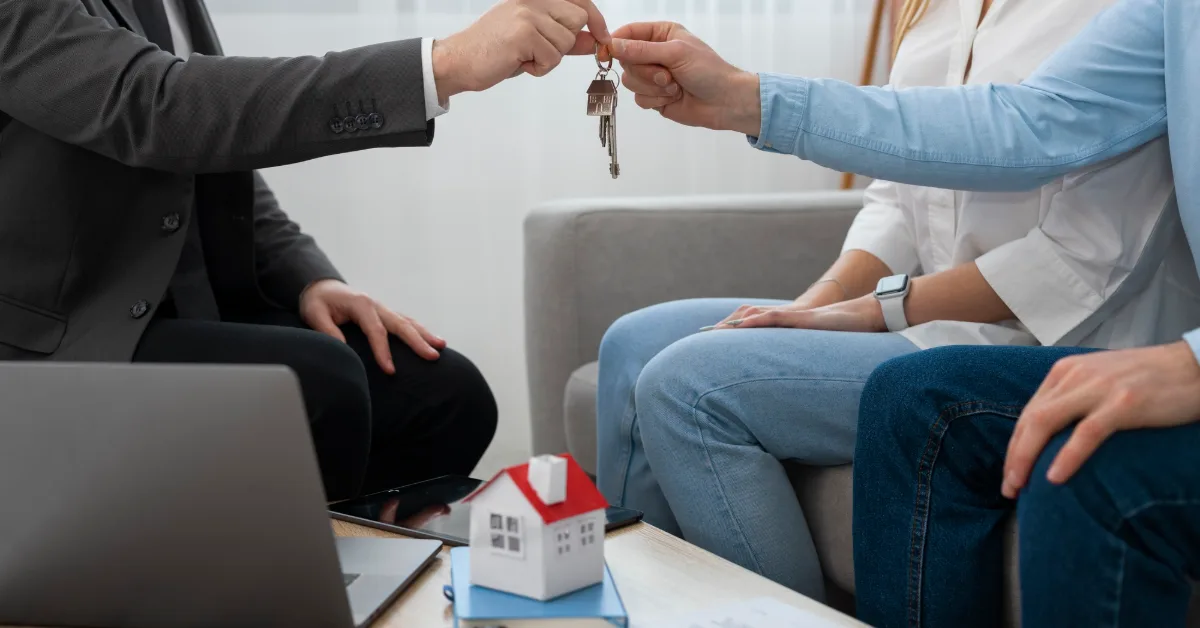
Dubai's service charges are divided into various categories that cater to the day-to-day needs of the building. Each category has a purpose. Even if individual costs appear small, they total up to a predictable yearly expense.
Maintenance Costs Maintenance refers to all technical upkeep within the community. This includes fixing elevators, ensuring fire safety systems work properly, repairing lighting, checking pumps, replacing worn-out items and keeping the building in stable condition.
Cooling Charges Dubai's climate is warm throughout most of the year. Many buildings utilise district cooling, in which chilled water is delivered via a centralised plant. The cost is charged separately from the normal electricity bill and covers cooling plant maintenance, pipeline upkeep and other technical handling. Choosing a chiller-free building — where cooling costs are included in DEWA bills rather than billed separately — can significantly reduce annual outgoings, as DEWA tariffs and district cooling fees continue to climb.
Cleaning Services Cleaning charges include hallway cleaning, lobby polishing, window washing, garbage area cleaning and shared space hygiene. A building with large lobby areas, decorative walls, reflective surfaces or detailed interiors will generally require more cleaning, which raises the cost.
Security Costs Security is a major component of Dubai living. Most buildings have 24-hour security personnel, CCTVs, access systems and gate control. Communities with multiple entry points, landscaped walkways or multiple towers require more staff and more equipment.
Facility Management and Administrative Costs Facility management teams oversee the entire building. They manage contractors, emergency procedures, budgets, approvals and community operations. They also liaise with RERA, utility providers and service vendors.
Sinking Fund One category that many buyers overlook is the sinking fund — a mandatory reserve for major future works such as roof replacement, external cladding upgrades or elevator overhauls. The sinking fund is a RERA-mandated reserve included in all service charge budgets, and its size is an important indicator of how well a building is prepared for long-term capital expenditure. A building with a healthy sinking fund is a healthier long-term investment.
Master Community Fee For properties in large master-planned communities, an additional layer of charges applies. Developments within master-planned communities such as Dubai Marina and Dubai Hills often add a master community fee to cover shared infrastructure like parks, roads and community security — on top of the building-level service charge. Buyers in these communities must budget for both.
Why Certain Buildings Have Higher Charges
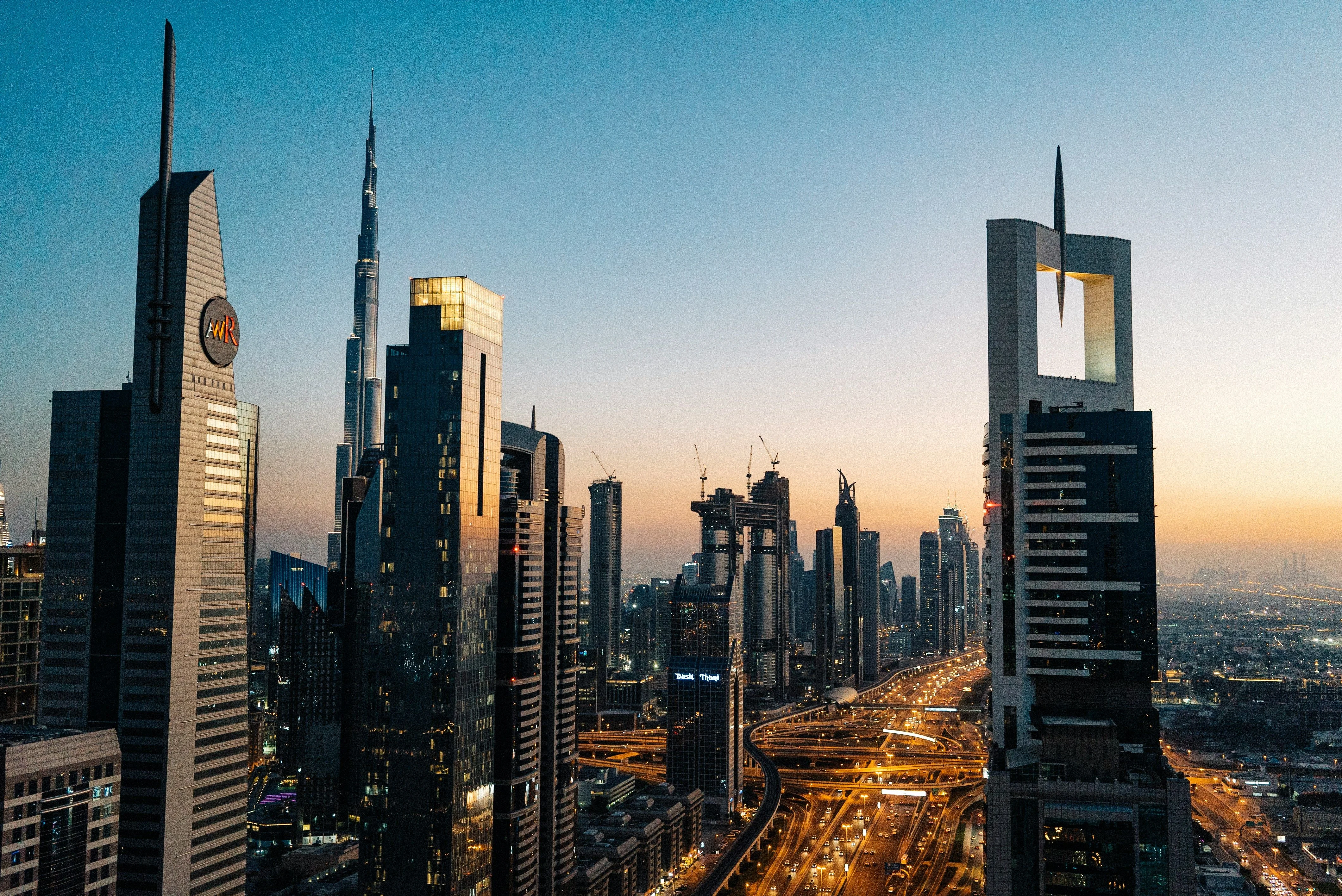
One of the questions investors often ask is why one building charges AED 12 per sq ft while another in the same district charges AED 25. The answer lies in the features and lifestyle the developer created.
Premium Amenities Buildings with more amenities are naturally more expensive to maintain. A tower with a simple pool and small gym requires minimal ongoing spending. But a project with an infinity pool, large fitness centre, spa room, children's play zones, co-working spaces and rooftop lounges requires constant cleaning, monitoring and maintenance.
Large Landscaping Areas Communities with lawns, gardens, water plants and extensive walking paths spend more on landscaping. Watering, trimming, replacing plants and soil maintenance are laborious and continuous tasks.
Water Features Waterfalls, fountains and artificial streams create a beautiful environment but require dedicated pump, lighting, filter and water treatment systems. If these systems fail, repairs can be expensive, so regular maintenance is priced accordingly.
High-End Finishes Premium buildings have stone floors, designer tiles, expensive wood panels and branded fixtures. These materials require skilled cleaning and frequent upkeep. Stains, cracks or scratches need professional attention, as poor-quality repairs would damage the overall look. In high-luxury towers, maintaining a polished appearance costs more every year.
Current Service Charge Benchmarks by Community

Most Dubai service charges in 2025 fall into a few broad bands. Typical villa communities sit roughly between AED 2 and AED 6 per sq ft per year, while mid-market apartment areas like JLT, JVC and Dubai Sports City generally range from the low to mid teens. Prime high-rise locations such as Downtown Dubai, Dubai Marina and Palm Jumeirah can easily push into the high twenties or above for towers with extensive facilities, and ultra-prime icons like Burj Khalifa remain at the very top of the index at close to AED 68 per sq ft.
To put this in real numbers: a 1,000 sq ft apartment in the Burj Khalifa faces annual charges of approximately AED 67,880, while the same-sized unit in Emirates Hills might cost only AED 1,530 annually. Here is a simple community-level reference:
| Community | Approximate Service Charge (AED per sq ft/year) |
|---|---|
| Burj Khalifa / Downtown luxury | AED 45–68 |
| Dubai Marina | AED 15–35 |
| Palm Jumeirah apartments | AED 20–30 |
| Palm Jumeirah villas | AED 8–15 |
| JVC / JLT / Sports City | AED 10–18 |
| Affordable villa communities | AED 2–6 |
These figures are regulated and published annually via the RERA Service Charge Index on the DLD website. Always cross-reference before purchasing.
How Service Charges Affect ROI
Your return on investment is not only about the rent you receive. It is the rent from which all expenses are deducted. Service charges sit at the centre of those deductions. Even a few dirhams difference per sq ft will change your net return appreciably.
Understanding Net Rental Yield Net rental yield is the income after costs have been deducted. It incorporates service charges, vacancy months and management fees if you are hiring a property manager. An apartment with a 7% gross yield but steep service charges may actually bring your net yield closer to 5% — making two seemingly similar investments perform very differently in practice. This is why savvy investors always compare net returns, not gross rent numbers.
Rental Market Demand High service charges are sometimes accompanied by high-quality amenities, which attract certain types of tenants. Families and long-term residents prefer buildings with more facilities because they use the spaces daily. This can mean higher occupancy and more stable rental income, partially offsetting the higher fee.
Impact of Long-Term Ownership A building with poor management, unstable fees or frequent cost increases can impair your returns over time. On the other hand, communities with transparent budgets and stable charges often have higher resale value and attract better tenants.
How to Evaluate If a Building's Charges Are Justified
Compare Charges Across Similar Communities Compare the building to others of a similar style and tier. Do not compare a JVC mid-range tower with a luxury tower in Business Bay — that gives a false impression. If the fee is slightly higher but amenities are stronger and maintenance is consistent, that can be justified.
Review the Condition and Quality of the Building If possible, walk through the property. Clean floors, fresh paint, well-lit corridors and a calm environment are immediate indicators of responsible upkeep. If you are being charged a high fee in a poorly maintained building, question the management.
Check Amenity Usage Some buildings have beautiful facilities that nobody uses because they are impractical or poorly placed. Others have fewer facilities but the ones they have are active and well-used. Assess whether the amenities offer real lifestyle value worth the extra expense.
Use the Mollak System and DLD Calculator The Mollak platform — launched in 2019 and now covering over 1,240 buildings and 89 management firms, processing nearly AED 4 billion in charges annually — allows property owners to view exact service charges, see historical records and make payments directly online. The DLD Service Charge Calculator on the Dubai Land Department website lets you input your unit details and instantly benchmark fees against RERA-approved rates. Every serious buyer should use this tool before committing.
What's Coming: The Future of Service Charge Management in Dubai
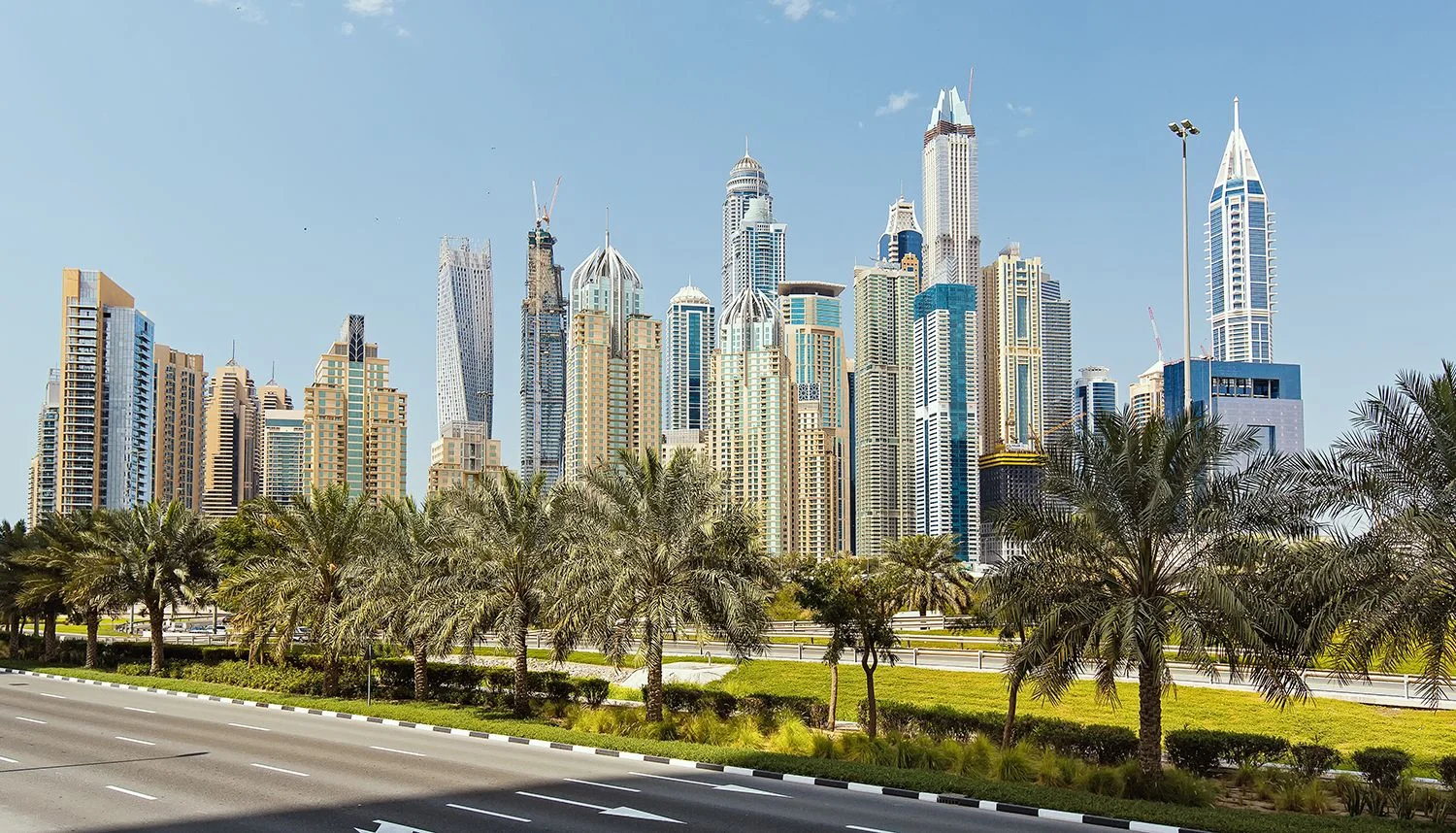
Service charge management is becoming smarter and more transparent. AI-based building management systems are expected to cut maintenance overheads by 10–12% by 2026. Predictive maintenance tools now allow management firms to forecast repair needs, reducing emergency costs and unplanned downtime. By 2026, both Dubai and Abu Dhabi are expected to introduce owner-access smart dashboards that display real-time spending data, cost distribution and efficiency scores — making it easier than ever to hold management companies accountable. Sustainability mandates are also pushing new projects toward energy-efficient infrastructure, which is expected to directly reduce long-term service costs for green-certified buildings.
How to Dispute Excessive Service Charges

If you believe your charges are unjustified, you do not have to accept them. The first step is to raise the matter with the Owners Association. If no resolution is found, property owners can file a formal complaint with RERA through the DLD portal. RERA investigates such cases using benchmarks from the RERA service charge index and ensures compliance with approved budgets — in most cases, a structured mediation process resolves disputes without lengthy legal proceedings.
Service charges may appear as an insignificant detail compared to the price of a property, but they are a direct determinant of the profit you actually take home. Dubai's real estate market has a wide range of building types with very different running costs. Some are focused on simplicity and low fees. Others offer higher amenities that demand more maintenance. The important thing is to match your investment goals with the right type of community.
Study the categories, compare similar towers using the RERA Service Charge Index and Mollak system, check the quality of building maintenance and think long term. A little research can protect your rental income in Dubai and support better capital growth over time.
Get a benchmark of service charges for your target community. It will help you find out the real cost of ownership and select the correct building for long-term returns.