
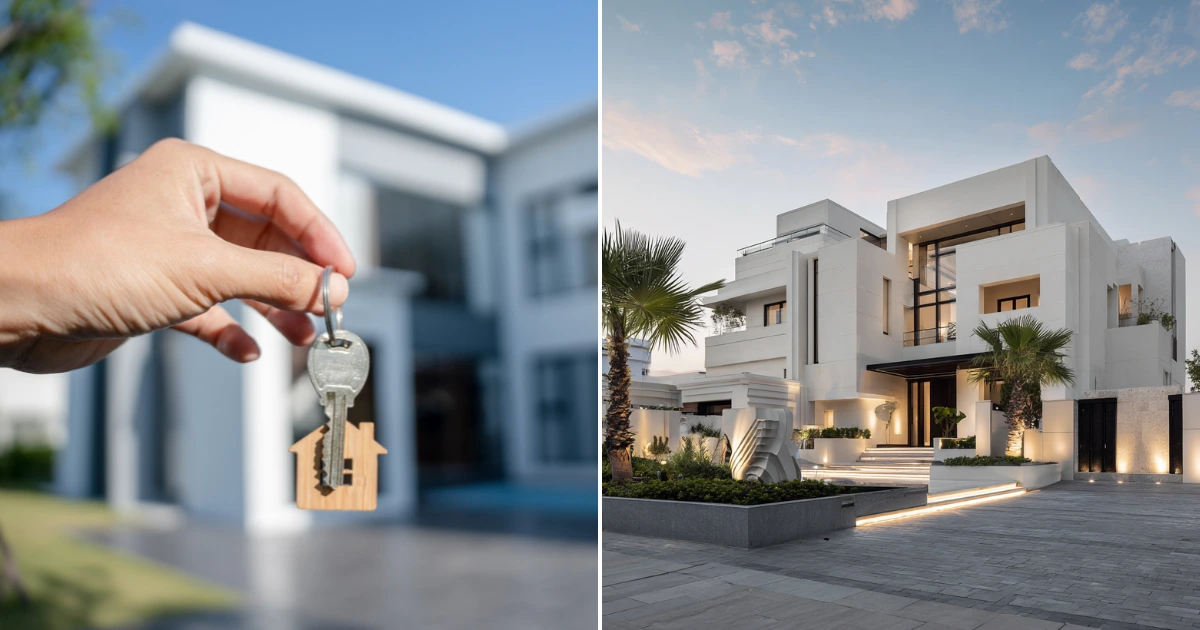
When people go to buy property in Dubai, many decisions are made in a short period of viewing the property. Shiny kitchens, marble floors, designer lighting and luxury finishes may often steal attention. These features have an impressive look in brochures and presentations of apartments. They take great photos and cause excitement in the buying moment. But once buyers move in, reality begins to settle down.
Visual appeal fades quickly. What is left is how the home actually functions on a day-to-day basis. Buyers do not exist inside marketing photos. They dwell within rooms, corridors, cookeries, bedrooms and storerooms. In the long run, layout is much more important than finishes.
At FP Property, resale feedback is indicative. Most of the complaints about tile quality or lighting brands in buyer resale do not concern the tile quality. They are about poor layouts. Common feedback is wasted space, awkward sizes of rooms, lack of storage, bad furniture placement and inconvenient movement of daily life in the unit. Developers often dwell much on finishes because finishes sell fast. Layout problems take time to show themselves. By the time buyers notice them, the transaction is already done.
Today, Dubai buyers are becoming more experienced. Many have been in more than one property. They now calculate comfort, usability and long-term liveability. As a result, practical layouts are emerging as an excellent resale factor, while luxury finishes alone are losing their ability to preserve value. This shift is altering the way smart buyers and investors are choosing properties in the UAE.
What “Practical Layout” Actually Means?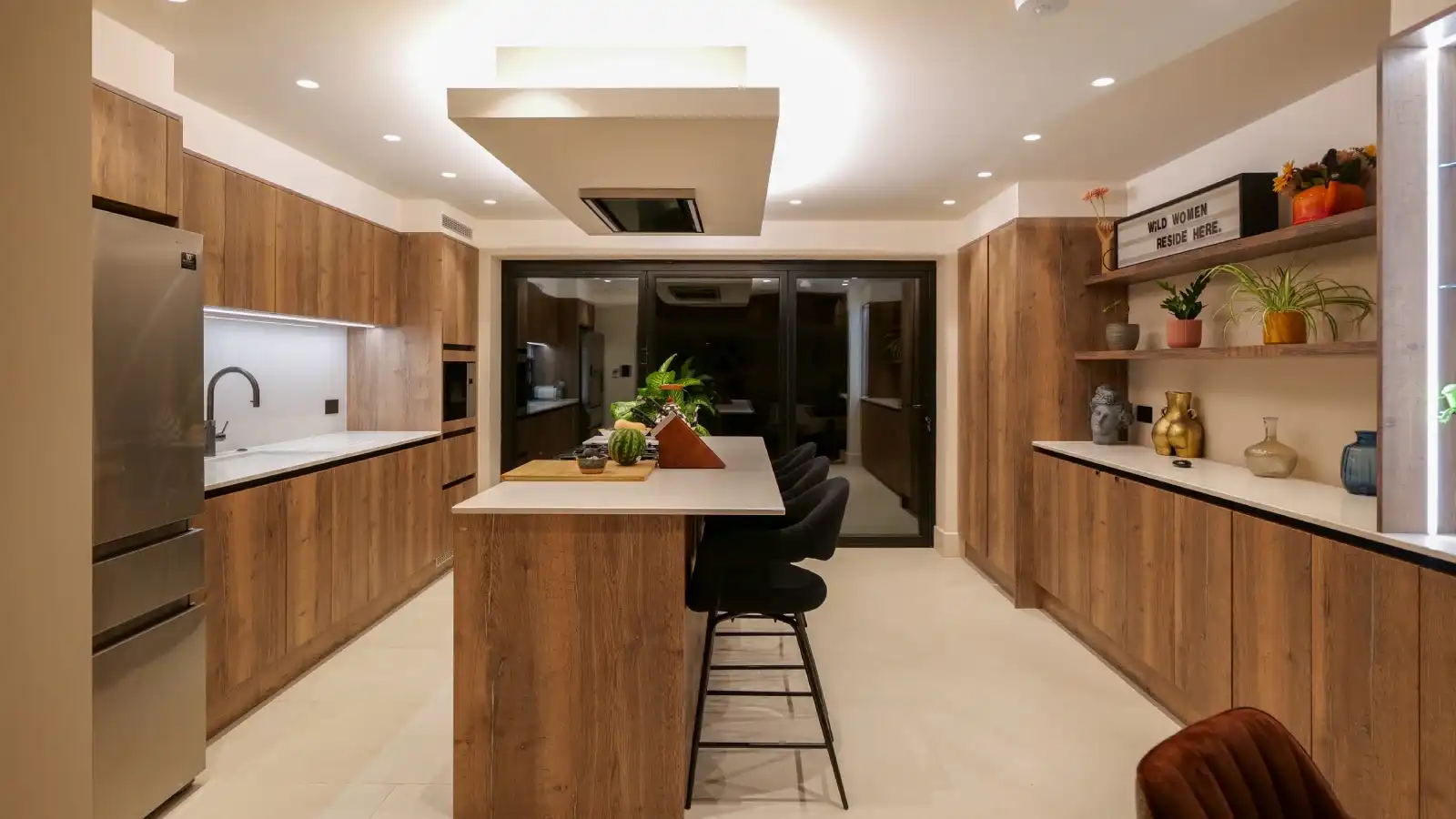
The term 'practical layout' is frequently misinterpreted. Many buyers think it means a basic or boring home. In reality, practical design does not have anything to do with eliminating quality or comfort. It is about how space is used.
First, it implies effective utilisation of space. Every square foot should serve a purpose. Long corridors, oversized entrance areas or unused corners mean less living space. A smaller unit that has intelligent planning is often perceived as larger than a larger unit that has poor design.
Second, it means the room proportions logically. Bedrooms should be large enough for the beds to fit in, as well as wardrobes and side tables. Living rooms should provide seating and dining without crowding. Kitchens should be easy to move around and have access to storage.
Third, the efficiency of storage and circulation is important. Practical homes have wardrobes, utility spaces and storage areas where there is less clutter. Movement from the entrance to the living areas to the bedrooms should have a natural and smooth flow.
One of the most confusing factors among buyers is size. Larger units are not necessarily the more usable ones. There are many large apartments in Dubai where space is wasted. Smaller but well-planned units are often better in terms of daily comfort.
Practical layout is not a question of luxury or economy. It is about intelligent design for life on a day-to-day basis.
Why Finish-Led Buying Backfires?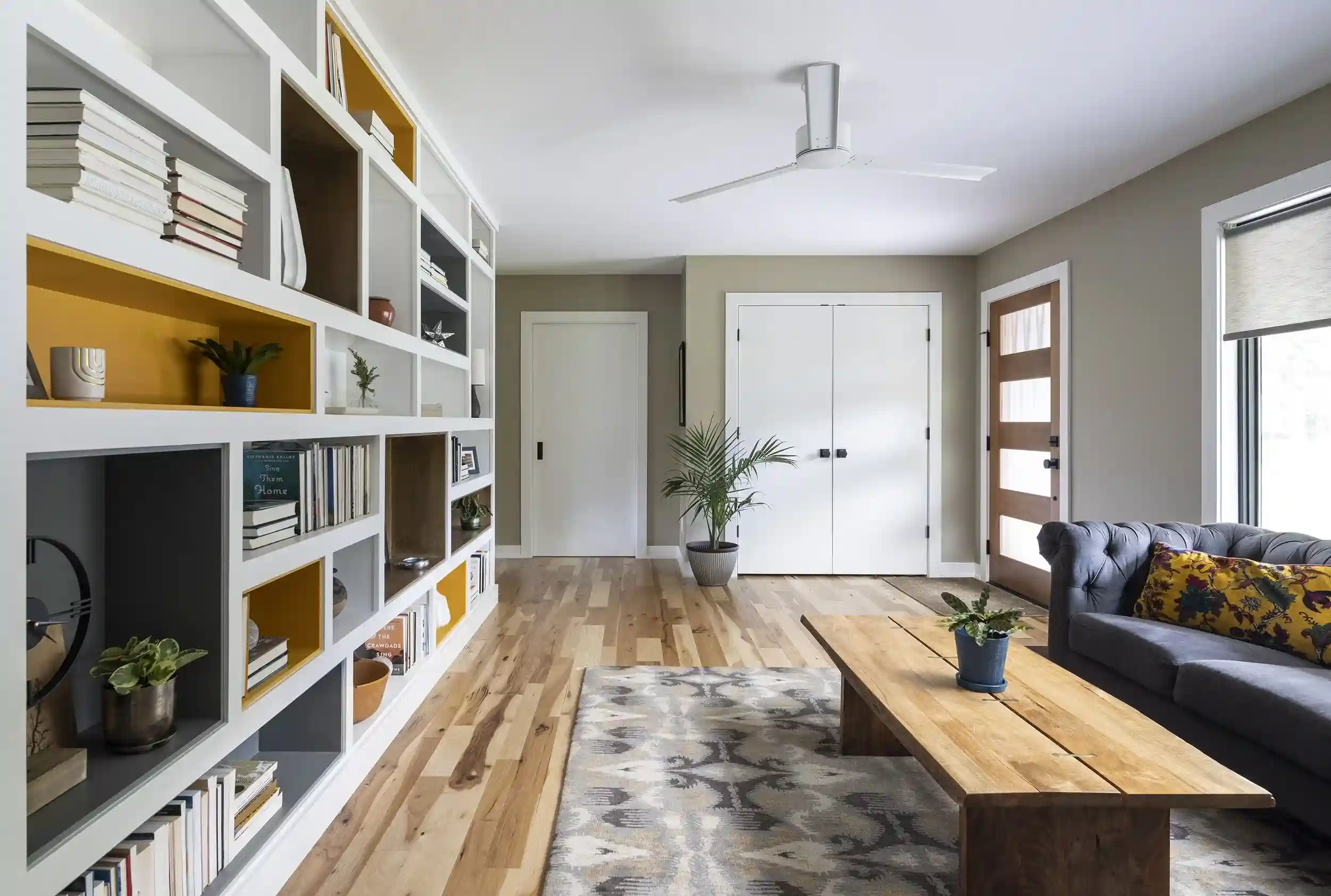
Buying primarily on finishes creates problems that will not be noticed until after move-in or resale. Below are the major causes of why finished-led buying often fails.
Poor Internal Flow
Many luxury-finished homes conceal poor internal flow. Long hallways, sharp turns, and disconnected rooms are the source of daily inconvenience. Residents take more steps, have trouble moving and feel the space working against them.
Over time, this causes frustration. No amount of marble or designer lighting can improve a home that is awkward to move through.
Furniture Constraints
Standard sizes of furniture are for normal rooms. When the layouts are irregular, the furniture is not right. Sofas block walkways. Dining tables feel cramped. Beds are awkwardly against the walls.
Buyers are often not aware of this until they move in. Suddenly, the living area is smaller than expected. Luxury finishes are not the solution to problems with furniture.
Narrow Tenant Appeal
Tenants in Dubai are usability-orientated. They want to be able to live comfortably, not be a beautiful showroom. Units with poor layouts attract fewer tenants. This has the effect of increasing the risk of vacancies and landlords having to reduce rent. Homes that rely solely on looks often have a hard time sustaining demand for rental.
Practical Homes vs Aesthetic Homes: The Major Differences
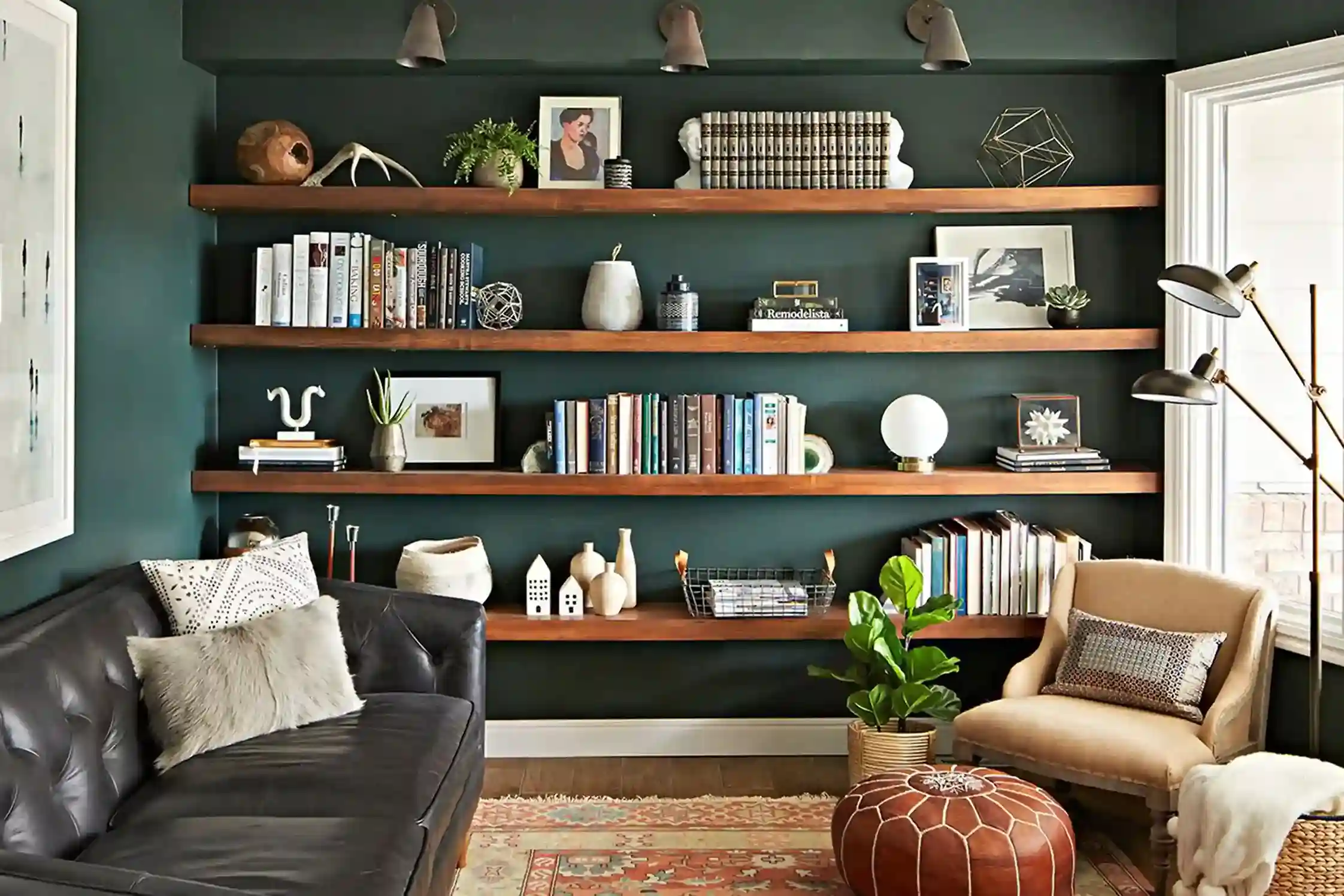
The difference between a practical home and an aesthetically driven home is really made clear after a few months of ownership or rental of a house. While both may be aesthetically pleasing at first, their performance in the long term in Dubai's market is very different.
Practical homes are based on the way in which people live. The layout lends itself to daily routines: cooking, relaxing, working from home and sleeping. Rooms are shaped in a way to fit furniture naturally. Movement from space to space is smooth and comfortable. Storage is available where it is required most.
Aesthetic-focused homes have a visual focus. Design decisions are usually made for short viewings to impress. This includes dramatic entryways, oversized windows, decorated walls and unusual room shapes. These features, while they look good in marketing materials, often result in less space to use.
From the point of view of a tenant, practical homes have an appeal to a broad audience. Families, couples, and professionals can indeed all imagine living there comfortably. This produces wide demand and stable rental performance. An aesthetic home tends to attract a more restricted group of tenants who are more interested in style than in comfort. This restricts the demand, therefore the risk of vacancy.
Resale is also a very different thing. Buyers are confident about buying practical homes because they can easily understand the value. Aesthetic homes are often a cause of hesitation once the buyers analyse the floor plan carefully. Structural layout problems cannot be repaired by renovation, and purchase confidence is lost when reselling.
Another major difference is renovation flexibility. Practical layouts enable owners to revamp their finishes, kitchens or bathrooms without altering the structure. Poor layouts limit opportunities for future improvement and trap owners in compromises of the design.
Over time, practical homes provide functional living, while aesthetic homes are dependent on visual appeal that will be worn out by changing trends.
Buyer Profiles Prioritising Function
Not all buyers in Dubai are like-minded. However, there are some significant buyer groups who always prefer practical layouts over luxury finishing.
Families are the best advocates of function design. They need homes that are conducive to daily life with children. Bedrooms have to accommodate beds, wardrobes and desks. Living rooms need to have room for the family to interact without congestion. Storage becomes essential for toys, school supplies and household things. Families quickly reject homes that have beauty but not comfort.
Long-term residents are also more interested in the function. These buyers intend to live in their property for many years. Comfort is more important than trends. They have concerns for natural light distribution and room proportions, noise control and ease of movement. Over time, little layout imperfections become everyday annoyances, which long-term residents are anxious to avoid.
Stability-focused investors are another important group. These investors are more interested in steady rental income and resale security rather than short-term appreciation. They know that practical layouts appeal to more tenants, vacancies are shorter, and demand is sustained even in slower market conditions.
These buyer profiles are the dominant group in the maturing real estate market in Dubai, which is why practical layouts are gaining value.
Where Efficient Layouts Work Best?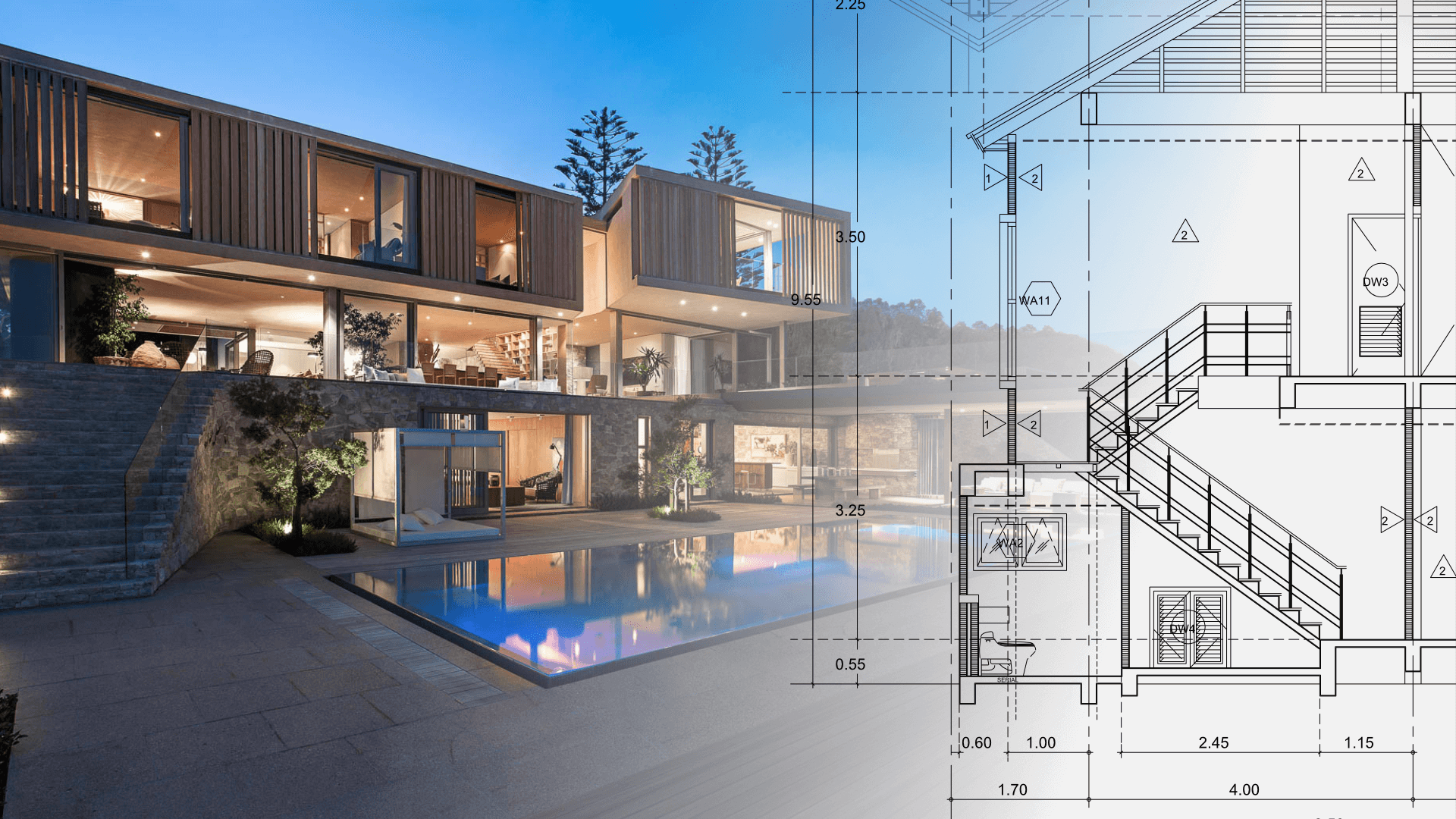
Efficient layouts work best in communities where dwellings are valued for their liveability, not their novelties. In Dubai, these areas are gaining more and more popularity.
Mid-market communities are good performers because buyers and tenants in these areas are concerned about comfort, economic affordability and day-to-day usability. They are less influenced by luxury brands and more interested in how the home supports their way of life.
Family-orientated developments also pay off with good layout design. These communities appeal to long-term residents who have deep concerns about functionality. Homes with smart layouts have faster leasing and stronger resale demands.
Mortgage-friendly buildings are another important area. Buyers that use bank financing are more careful to analyse properties. They calculate monthly expenses, long-term value and resale potential. Practical layouts seem to go hand in hand with such a way of thinking, and it is easier to sell and refinance such properties.
In these environments, efficient layouts preserve value no matter what happens to the markets.
Financial Benefits of Practical Design
Practical layouts provide obvious financial benefits beyond comfort.
First, they are in favour of faster leasing. Tenants can immediately see how the space works. There is less hesitation with viewings, as the value is obvious.
Second, the rate of tenant retention is higher. When occupants of the rental feel comfortable, they stay longer. This saves on turnover costs, which include advertising fees, agent fees and vacant days.
Third, there is a strong demand for resale. Buyers are easy on practical homes and feel confident in committing. This decreases the time needed for selling and also lessens the need for price reduction.
Finally, there is less vacancy loss. Even during slowdowns in the markets, practical homes still retain their interest inasmuch as they meet the basic needs of living well. Over time, these advantages are compounded and add up to dramatically better total returns.
Risks Buyers Miss During Viewings
Many buyers are unaware of the risk they are exposing themselves to when they go to see a property.
The greatest error that can be committed is to be distracted by finishes. The shiny surfaces, lighting and decorations cause emotional excitement that overpowers logical evaluation.
Another risk that is overlooked is not testing the placement of furniture in one's mind. Buyers do not usually imagine how sofas, dining tables, beds, and wardrobes will fit. Once they get into it, problems are obvious and hard to remedy.
Ignoring the flow of movement on a day-to-day basis is also another critical error. Buyers do not walk through the daily routines, like entering the home, moving to the kitchen, and accessing bedrooms and storage areas. Poor circulation is a daily inconvenience.
These risks are subtle, yet powerful. Avoiding them takes slowing down when it comes to viewings and focusing on function over appearance.
FP Property Insight: Our Layout Screening Process
At FP Property, we know that the layout of a home is often more important than the finishes. To safeguard our clients against dangers in the design process that may not be apparent, we have an extensive design screening process. This process goes beyond marketing brochures and show units, looking at how a property is going to perform in real life.
The first step is a furniture fit check. In this way, we use actual dimensions to determine if standard sofas, beds, dining tables and wardrobes will fit comfortably. This step prevents awkward living spaces and also ensures that residents will not have to pay for expensive custom furniture to make the home usable.
Next, we assess storage efficiency. Storage is one of the things that is neglected in Dubai properties. Units that are not appropriately stored quickly get cluttered, no matter how beautiful they look. Our team inspects built-in wardrobes, kitchen cabinets, utility spaces and other storage spaces to ensure that they are adequate for your everyday life.
We also evaluate circulation and the movement flow. Every path from the entrance to the living areas, bedrooms, kitchens and bathrooms is analysed. Units that have excessive corridors, blocked pathways or awkward corners are flagged. These are layouts which will frustrate the buyers or tenants over the years.
And finally, we score resale compatibility. Some homes may work well for a single buyer but are of limited appeal. We look at how wide the potential market is for each property. This is to make sure that our clients invest in homes that are easy to lease, sell, and maintain value.
By using this screening process, FP Property ensures that clients are safe from purchasing units that are good on the surface but do not work in practice.
Market Outlook: Usable Space Is the New Luxury
Dubai's real estate market is changing. Buyers and tenants are getting more experienced, and the focus is less on good looks and more on livability. Usable space is now recognised as a type of luxury based on the direct effect on comfort, convenience and long term satisfiability.
Properties with practical layouts are commanding more and more premiums. Investors now realise that a well-designed home will attract a wider tenant pool, have shorter periods of vacancy and resale more quickly. Homes that allow for the maximum use of the usable space without wasting square footage are in high demand.
Developers are starting to respond. New developments in mid-market and family-friendly communities focus on functional planning along with finishes. The move is evident: buyers are more interested in liveable space than surface-level beauty. Luxury finishes alone are no longer sufficient to guarantee value or demand.
Looking into the future, properties with inefficient layouts or finishes may have trouble competing. In comparison, homes that have been carefully designed, with intelligent space planning and sufficient storage, will continue their good performance in the marketplace. This trend is expected to increase as Dubai is gradually attracting more long-term residents as well as investors, who like function more than temporary glamour.
Common Layout Evaluation Mistakes
Even experienced buyers make mistakes when evaluating layouts. Awareness of these pitfalls can protect both lifestyle and investment value.
One common error is confusing size with usability. A 2,000 square foot apartment with long corridors and poorly shaped rooms may feel smaller than a 1,500 square foot apartment with efficient planning. Buyers must look beyond total area and examine how the space works in daily life.
Another mistake is ignoring storage needs. Many buyers focus on visible spaces like living rooms and kitchens but underestimate closets, wardrobes, and utility areas. Without proper storage, homes quickly become cluttered, reducing comfort and resale appeal.
Underestimating daily inconvenience is a third major risk. Wasted steps, awkward entrances, and poorly connected rooms can frustrate residents every day. These issues often appear only after move-in, but they can significantly reduce the perceived value of the property.
Finally, buyers often rely solely on finishes to judge quality. Shiny tiles, luxury cabinets, and designer lighting are easy to see, but they do not fix layout problems. Focusing too much on appearances leads to regret later.
Avoiding these mistakes requires careful evaluation, realistic visualisation of living patterns, and sometimes professional guidance.
Function Protects Resale Value
Luxury finishes impress initially, but practical layouts protect long-term value. In Dubai’s changing market, how a home works day-to-day has become more important than how it looks in marketing material.
Homes that are designed efficiently, with logical room sizes, storage, and movement flow, attract more tenants, lease faster, and resell more easily. Practical layouts maintain demand and reduce vacancy risk, making them a smart choice for families, investors, and long-term residents alike.
Function sustains resale performance, while finishes alone fade over time. Buyers who focus on practical design are protected from future frustrations and maintain stronger investment returns. FP Property specialises in layout-vetted properties. Speak to us to explore homes that combine liveability, resale resilience, and long-term value.