

For years, the property buyers in Dubai had focused on one thing only. The purchase price. If a property seemed cheap in comparison to others, it was the smart deal. Buyers believed that if you went in at a low price, you automatically had a lower risk and a higher profit. Today, all that is changing.
More and more buyers are finding that cheap properties can be expensive to own. The surprise does not occur on the day of purchase. It occurs after the commencement of ownership. Service charges go up unexpectedly. Maintenance issues come up earlier than expected. Repairs more costly than planned. Over time, the overall cost of owning the property is much more than what the buyer originally thought it would cost. Many buyers are frustrated because these costs were not obvious in the beginning. The entry price was attractive, but it was the continued costs that eroded the returns and peace of mind.
At FP Property, an overall pattern has emerged. Properties with unstable ownership costs have a great deal of resistance when owners attempt to resell. Buyers become hesitant, negotiate harder, or walk away altogether. The problem is hardly ever the individual purchase price. It is the uncertainty of the costs in the future.
As the market in Dubai matures, predictability of cost is emerging as a decision factor. Buyers are no longer asking how cheap a property is. They are asking how stable it will be to own in the long run.
What Does “Cost Predictability” Actually Mean in Dubai Real Estate?
Cost predictability is greatly misunderstood. Many buyers assume that it simply means low service charges. In reality, cost predictability is about consistency, transparency, and control. In Dubai real estate, cost predictability involves a number of important elements.
First, stable service charges over several years. The well-managed building indicates that there are gradual and explainable changes in service charges. Sudden spikes are often a symptom of much more serious underlying problems, such as poor planning or deferred maintenance.
Second, predictable maintenance and repair costs. Every building needs to be maintained. Predictable buildings: this is what they plan for in advance. Owners are not horrified by unexpectedly large repair bills or emergency collections.
Third, clear budgeting and governance processes. Buildings with clear budgets, audited accounts and professional management provide owners with the visibility of where money is going and why.
One of the most common confusions is thinking that a low service charge leads to stability. This is not always true. Some buildings keep service charges artificially low in the first years. Costs do not disappear. They are simply delayed. When reality does catch up, owners are faced with sharp increases or special payments. True cost predictability is not about being cheap. It is about being reliable.
Why a Low Purchase Price Can Be Misleading?
A low purchase price can provide a false sense of security. It seems like a bargain, but there are usually hidden risks that become apparent later.
Deferred Maintenance Creates Future Cost Shocks
Some buildings cut costs by putting off maintenance. In the short-term, this keeps service charges low and acts as an attraction for buyers. Over time, small problems become huge problems.
Air conditioning systems fail sooner than expected. Elevators need to be completely replaced. Facades need major repairs. When these costs come, it does not come gradually. They arrive as large bills.
Owners are often asked to pay special assessments or sudden increases in service charges. These payments put pressure on individual finances and hamper investment plans. What appeared to be savings at the beginning becomes a financial shock later.
Inefficient Management Inflates Ownership Costs
Poor management is another concealed cost factor. When vendors are not under control properly, the cost of operation quietly rises.
Cleaning contracts are excessively priced. Key tasks that are part of maintenance are repeated because of poor quality. Energy usage is inefficient. Small leaks and faults are neglected until they require expensive repairs. These inefficiencies drive up costs from year to year. Owners pay more but get less for their money.
Budget overruns also kill confidence. When a building cannot stick to its budget, there is a lack of trust from the owners. That loss in trust is as big a factor in the loss of resale value as is the physical condition.
Cost Uncertainty Scares Resale Buyers
When it is time to sell, cost uncertainty is a major obstacle. Buyers today are careful in calculating risk. If the future costs are not certain, buyers insure themselves by offering lower prices or walking away.
Properties whose costs can not be predicted often sell for a discount, even if the location is excellent. The discount is the reflection of fear, not just numbers. In contrast, those properties with stable cost histories sell faster and with less resistance. Buyers are willing to pay for clarity.
Predictable-Cost Assets vs Cheap Assets: Key Differences
The distinction between predictable cost assets and cheap assets is evident with the passage of time. Predictable cost assets provide stable ownership costs, and this removes stress and uncertainty. Owners can make plans for their finances without any worry about any sudden surprises.
These properties also foster a high level of buyer confidence. Clear and open costs help to build trust and limit hesitation. When it comes to time to sell, predictable cost assets are easier to resell because buyers will be comfortable stepping in without fear of hidden expenses. Most importantly, they give long-term clarity. Owners remain in control of their financials and decisions.
Cheap assets often lead to the opposite experience. While they may be aesthetically pleasing at first, hidden and unstable costs often come into view later and turn a perceived bargain into a stressor.
Which Buyer Types Are Driving the Cost-Predictability Trend?
Several buyer groups are driving this change in Dubai.
Mortgage Buyers Controlling Monthly Obligations
Mortgage buyers are very sensitive to monthly expenses. Even minor increases in service charges can put pressure on budgets.
To these buyers, predictability is important because it protects their cash flow. Depending on the economic conditions, stable costs help them to avoid financial pressure and, consequently, default risk.
Long Term End-Users
End users plan on inhabiting their homes for many years. They are concerned about their comfort, stability and peace of mind. For them, unpredictable costs are a cause of stress and dissatisfaction. Predictable buildings help to facilitate better living experiences and stronger communities.
Yield-Focused Investors Focusing on Net Returns
Investors are more concerned with net returns and not headline yields. Unstable costs reduce rental income. Predictable expenses make returns more reliable. This group is aware that a slightly higher purchase price with a stable cost often brings better long-term performance.
Where Cost Predictability Shows Up Most: Property Signals?
Cost predictability is not something buyers have to guess. In Dubai, it typically manifests itself in clear and visible signs if you know where to look.
One of the most powerful messages is professional building management. Buildings being handled by experienced and reputable firms typically follow structural processes. They plan where maintenance needs to be done ahead of time, negotiate vendor contracts accordingly, and keep a close eye on what they spend. This helps in reducing sudden cost increases and avoiding emergency spending.
Another important signal is a clean and consistent service charge history. Developments that can provide service charge data over a number of years provide transparency. Buyers can see if costs are increasing slowly or making sudden leaps. Gradual increases are generally signs of good planning, and sharp increases are often symptoms of past failure to plan or budget well.
Communities that have disciplined budgeting are also easier to identify. These communities publish their annual budgets, explain the spending decisions and maintain reserve funds. They do not depend on the last-minute collections from owners. This discipline protects owners against financial shocks.
Finally, predictable cost properties tend to demonstrate better physical condition. Clean common areas and functioning systems and well-maintained amenities are usually a result of good financial planning behind the scenes.
Financial Advantages of Predictable-Cost Assets
Predictable cost assets offer much more than convenience. They have a direct impact on financial outcomes for the better.
One huge benefit is easier cash flow forecasting. When owners are aware of what their expenses will look like next year and the year following, they will be able to plan with confidence. This is especially significant to mortgage buyers and investors who rely on stable monthly numbers.
Lessened financial stress is another major benefit. Unexpected bills can also put owners in a situation where they are forced to resort to using savings or postponing other financial aims. Predictable costs take away that pressure and peace of mind.
At resale, predictable costs increase buyer confidence. Buyers feel safer going into a property where future expenses are clear. This confidence results in quicker transactions, as well as reduced price negotiations.
Over the long term, predictable costs allow for stronger net returns. Even if the purchase price is higher, stable expenses are a protection of income and value. This consistency often leads to overall better performance than cheap and unstable properties.
Risks to Watch Even in Cost-Stable Properties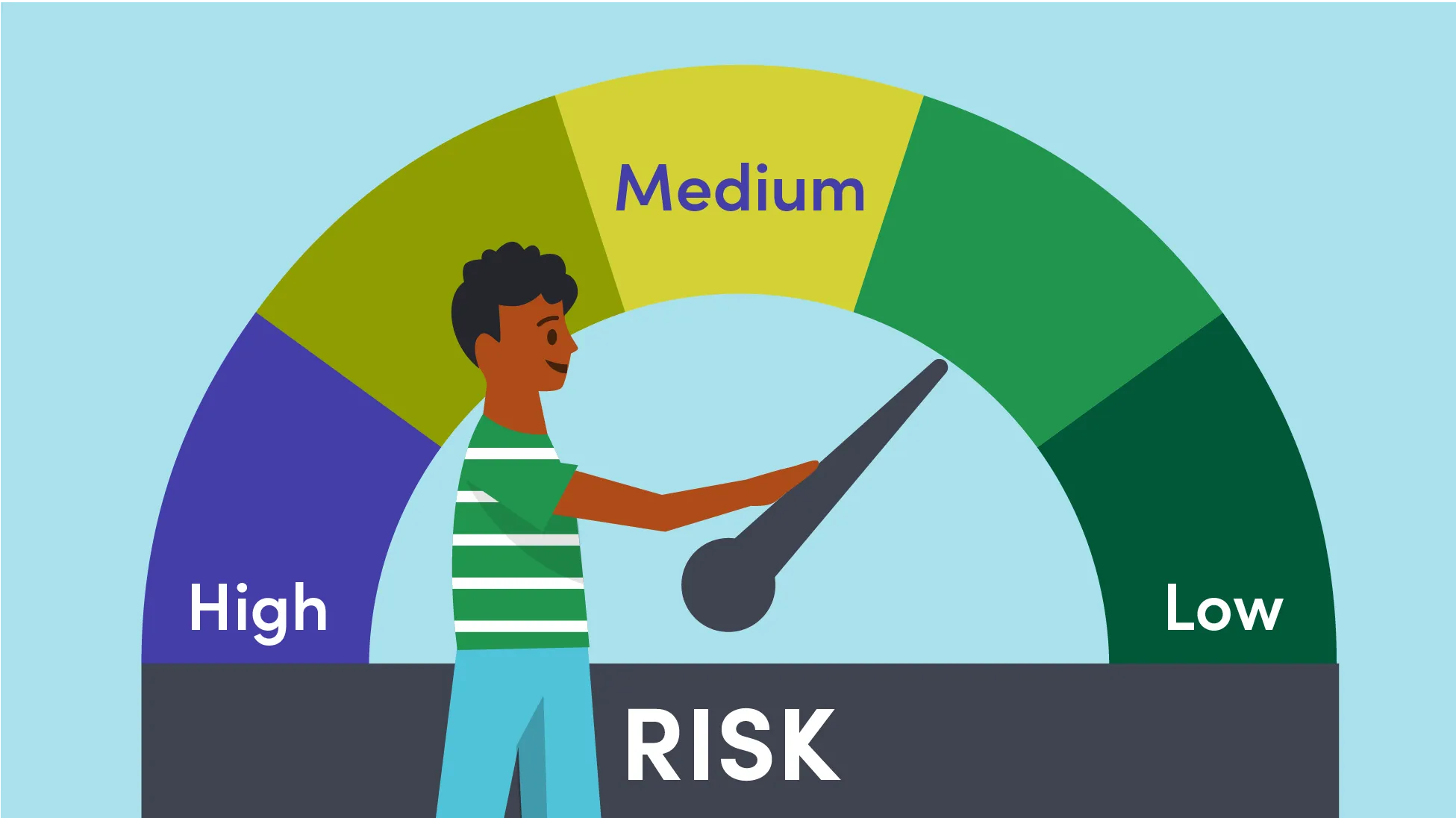
Even properties with a reputation for cost stability need to be carefully reviewed. Stability today does not ensure that it will always remain so.
One of the risks is underfunded reserve accounts. Some buildings seem stable because major expenses have not happened yet. If there are inadequate reserve funds, then future repairs can cause sudden costs. Buyers should always be sure to check if reserves are appropriate to the age and condition of the building.
Ageing infrastructure is also another factor. As the buildings become older, systems like plumbing, lifts and cooling require more attention. A cost-stable building ought to have obvious plans for dealing with these upgrades without shocking owners.
Management complacency can also be achieved over time. A good management team today may become less proactive in the future. Regular reviews, audits and involvement with owners help to avoid this issue.
Understanding these risks helps buyers be realistic and prepared.
FP Property Insight: How We Assess Cost Sustainability?
At FP Property, cost sustainability is not a short-term snapshot but a long-term measure of performance.
We start with an examination of trends in service charges for several years. This helps identify whether costs are controlled, increasing logically or fluctuating unpredictably.
Next, we look closely at reserve funds. We consider whether reserves are in line with the building's age, size and infrastructural requirements. Healthy reserves are a good indication of future stability.
We also compare the levels of cost with the quality and services of buildings. Low costs are not always a positive thing if the quality of the service goes down. Our focus is on value and not just numbers.
This is a structured approach whereby clients are able to make informed decisions based on facts rather than assumptions.
Market Outlook: Buyers Will Price Total Ownership Cost
Dubai's property market is getting more sophisticated. Buyers are learning from previous cycles and changing their priorities.
There is increasing awareness that the volatility of the cost of ownership is a risk. Buyers now factor in the risk of this directly into their offers. Properties with vague costs have longer selling times and heavier negotiations.
At the same time, predictable cost assets are getting recognised. But buyers are willing to pay more in advance for long-term clarity and stability.
As things become more transparent and data becomes more accessible, total ownership cost will have a greater influence on the pricing decisions. Value will not be defined solely by entry price anymore.
Common Cost Evaluation Mistakes Buyers Make
Even with more awareness than before, many property buyers in Dubai continue to make mistakes that are easily avoidable, often leading to unexpected financial burdens.
One of the most common errors is focusing only on current service charges. Buyers often look at the monthly fees and assume these will remain stable, without reviewing historical trends. This can be misleading, as rising service charges over time can significantly affect overall affordability. Examining records and understanding how fees have changed over the years can provide critical insights into potential future costs.
Another mistake is ignoring long-term maintenance cycles. Buildings require major maintenance at intervals such as elevator replacements, façade repairs, or pool refurbishments. Buyers who fail to anticipate these costs may face sudden, significant expenses that disrupt their budgets. Proper planning for these eventualities is essential to avoid financial shocks.
Many buyers also underestimate the true cost of living in a new property. New buildings often look modern and well-equipped, but early years can mask hidden costs. For example, warranties may cover defects initially, but once they expire, maintenance and repair expenses can rise sharply. Utilities, community fees, and landscaping costs can also increase as the property ages.
Additionally, some buyers assume that promotional or low entry prices mean overall affordability. In reality, a cheap purchase price may be offset by higher long-term expenses, making the property more costly over time. Ignoring these factors can turn a seemingly attractive deal into a financial burden.
Avoiding these mistakes requires a deeper analysis and professional guidance. Buyers should review historical service charges, understand long-term maintenance requirements, anticipate future living costs, and seek advice from property experts. Taking these steps ensures a realistic view of ownership expenses and helps make smarter, more confident investment decisions.
Predictable Costs Protect Long-Term Returns
In the property market of Dubai, it's not the same as buying cheap and getting away with it. What is more important is the stability and predictability of a property to own for a long time. Predictable expenses help owners plan better, alleviate financial stress, and safeguard resale value. Buyers are more willing to pay when they see future expenses advertised, allowing properties to sell more easily and be less prone to hard bargaining.
Low purchase prices may look good at first, but unpredictability in service charges and maintenance tends to wipe out any savings received. Properties with stable costs may need a higher entry price, but it helps to protect capital and long-term returns.
Before purchasing, it is important to know the complete cost of ownership. FP Property specialists help the buyers to understand the cost stability, as they will be able to make decisions on the basis of clarity and not assumptions.