
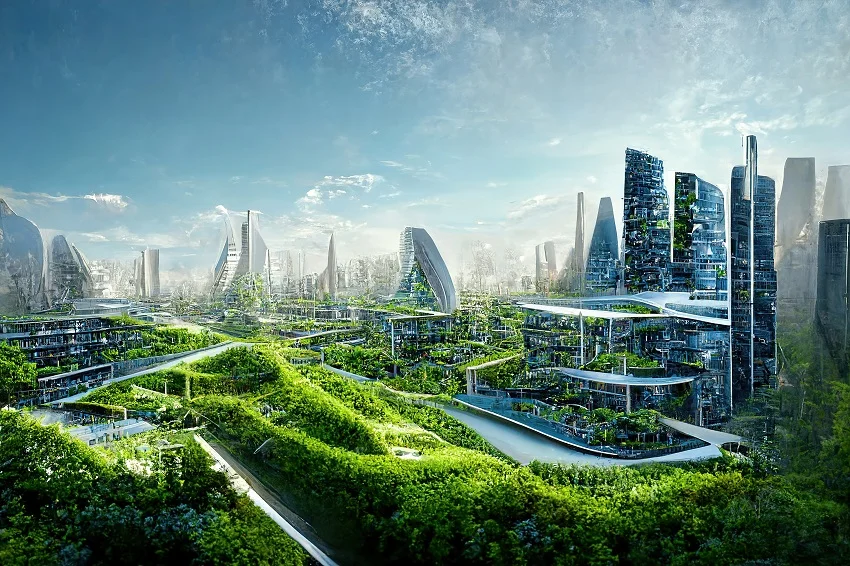
Leading the Way: Dubai’s Top Sustainable Developers
In Dubai, looking at sustainability can shift the way you see real estate altogether. It’s far more than a passing trend. It’s shaping how people want to live. When homes and communities are planned with the environment in mind, daily life usually gets better, too. You end up with less energy slipping away, smarter ways of handling water, and neighbourhoods that feel comfortable, safe, and a bit more grounded for the families who settle there.
When it comes to buying or investing, this is worth the attention. Lower bills, reduced maintenance, and properties that tenants or owners prefer are small advantages that add up over the years. Choosing a building with sustainability in mind may give you more than just comfort.
The UAE’s Net Zero 2050 goal makes the city’s approach clear. Carbon reduction isn’t optional anymore. Developers who follow these guidelines often stay ahead of regulations, attract environmentally aware buyers, and protect the property’s value over time.
Already, some Dubai developers are leading the way. They’re proving that sustainability is measurable, practical, and impactful. Real projects. Tangible results. It’s something worth considering when selecting your next property.
What Sustainability Really Means in Dubai’s Real Estate
Sustainability isn’t just sticking a few solar panels on a roof or planting a row of trees. In Dubai, it stretches into three big areas, each affecting how a property actually works for people and the planet.
Environmental
At the heart of it, this means smarter energy use, careful water management, and cutting down waste wherever possible. Buildings that get this right don’t just save residents money; they shrink the overall footprint. Sometimes, it’s small details, like automated water taps or efficient cooling systems, that make the biggest difference.
Social
Sustainability isn’t just about walls and roofs. It’s about crafting neighbourhoods where people actually want to be. Parks that feel alive, streets you can walk without sidestepping cars. And little community spots that actually get used by people living there. All of it adds up to a healthier, happier, and a lot more connected lifestyle.
Governance (ESG)
Then there’s governance, the part nobody talks about but everything depends on. Developers have to stick to the rules, keep certifications current, and actually prove what they’re doing. That’s the line between a project that’s truly green and one that’s just pretending.
For buyers, it’s simple. Shiny brochures don’t cut it. Real sustainability is measurable, visible, and built to last. It’s about results that stay, not flash that fades.
Key Sustainability Benchmarks to Look For
To save yourself of headaches and maybe even money. Some benchmarks that actually matter are:
Certifications
LEED, Estidama, WELL, these show a project is tested and verified, not just marketed as green.
Carbon footprint reduction
Developers with active emission-cutting programmes are thinking ahead. Pick these, and your property won’t suddenly be outdated when new regulations hit.
Smart building technologies
Automated lighting, cooling, and energy systems make a building efficient, reduce waste, and just… work better for residents.
Renewable energy integration
Solar panels, district cooling, and energy-efficient systems are no longer optional. They’re becoming essential for real sustainability.
Green mobility
EV chargers, bike lanes, and walkable streets don’t just feel nice; they make communities healthier and more environmentally responsible.
Community health & walkability
How easy is it to walk, exercise, or reach facilities? If a neighbourhood encourages these habits, it’s showing real commitment to sustainability.
Keeping an eye on these benchmarks helps buyers and investors spot developers who genuinely care about the environment and build projects that last. Environmentally, socially, and financially.
Dubai Developers With the Strongest Sustainability Track Records

Emaar Properties: Large-Scale Sustainable Urban Planning
Emaar’s scale gives it a kind of influence few developers can match. You see this most clearly in Dubai Creek Harbour, built as a low-carbon district rather than a decorative eco-label. The community uses energy-efficient towers, shaded walkways, and smart waste systems that actually reduce operational emissions, not just in theory.
Their commercial buildings often follow LEED certification standards, which keep energy and water use under tight control. Emaar also pushes long-term sustainability planning across its master communities, weaving green mobility routes, open-air corridors, and integrated recycling systems into the blueprint from day one. A steady strategy, not patchwork fixes.
Sobha Realty: End-to-End Sustainable Construction Control
Sobha plays a different game. Everything is built in-house – carpentry, concrete, MEP, and facades – so material waste stays low. Enough for sustainability. That vertical integration means better insulation, more airtight facades, and higher energy retention across their towers and villas.
Their communities, especially Sobha Hartland and the newer Siniya Island, lean heavily on district cooling, smart water systems, and thermally efficient building envelopes. You can feel the difference indoors: quieter, cooler, and less energy slipping through the cracks. Efficient by design.
Aldar (Abu Dhabi Origin, UAE Wide Impact): ESG Reporting Leader
Aldar brings a corporate rigour that stands out. Their Net Zero roadmap is public, detailed, and audited, a rare transparency in the region. They consistently publish ESG reports that outline carbon reductions, energy performance, and governance compliance.
Developments under Aldar frequently target Estidama 3 or 4 Pearl, the UAE’s own sustainability certification system. Materials are increasingly recycled or responsibly sourced, and solar systems are becoming standard in their newer assets.
Their influence spills into Dubai through partnerships, investor expectations, and regional benchmarks. Clear governance, no smoke and mirrors.
Ellington Properties: Wellness + Sustainability Hybrid Approach
Ellington approaches sustainability from the inside out—literally. Their projects often pursue WELL certifications, which place residents’ health at the centre of the design. Air quality, natural light, acoustic comfort—they pay unusual attention to these details. Biophilic elements appear throughout their buildings: greenery, organic textures, and layouts that feel calmer than the usual concrete-first structures in the city. You notice it the moment you step in.
Ellington also integrates energy-efficient materials, smart cooling systems, and insulated facades that reduce unnecessary power loss. It’s sustainability blended with wellness, not stacked on the side as an afterthought.
Majid Al Futtaim: Region’s Green Pioneer
Majid Al Futtaim still holds serious weight when it comes to sustainability in the region. They were the first developer here to launch a company-wide Net Positive Strategy, trying to give back more water and energy than they actually consume. Their big assets, like the Mall of the Emirates and key residential communities, follow strict sustainability rules with clear targets for emissions, water reuse, and day-to-day efficiency.
On-site solar, advanced water recycling, and low-impact construction aren’t experiments or PR stunts. They’re just standard practice now. And their governance? Solid, consistent, fully visible. It quietly sets the bar that many others can’t help but follow.
Meraas: Sustainable Urban Concepts in Coastal + Lifestyle Destinations
Meraas focuses on sustainable urban living where lifestyle and mobility blend. Bluewaters Island and City Walk show how well they execute pedestrian-first environments. Wide shaded walkways, interconnected paths, and strategic landscaping help reduce heat buildup and make these districts genuinely walkable—rare in Dubai’s climate.
Their coastal projects often use materials and designs that cut down the heat island effect, keeping outdoor spaces cooler and more comfortable. It’s subtle but noticeable during peak months. Meraas doesn’t just build destinations; they create urban experiences shaped around movement, microclimate, and human comfort.
Dubai’s Most Sustainable Communities Right Now
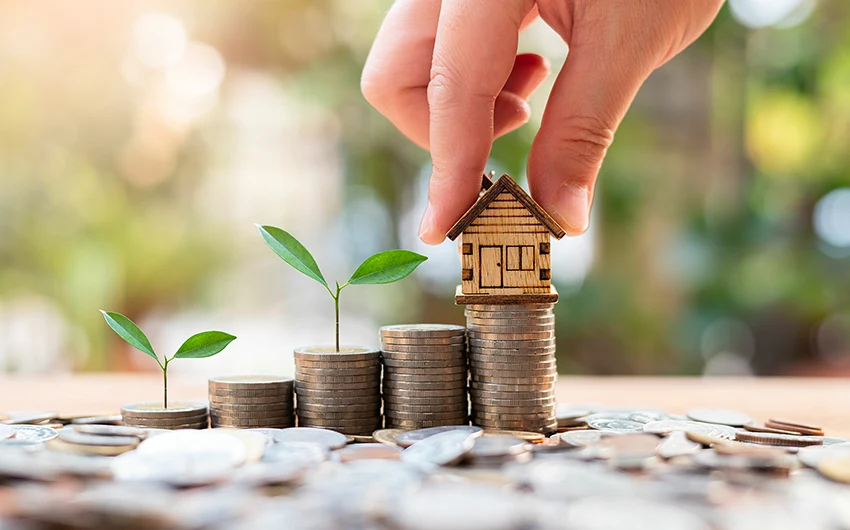
What residents actually feel – daily comfort, lower bills, and cleaner air – is what counts. These communities deliver that, each in its own way.
Dubai Creek Harbour (Emaar)
Quiet, breezy promenades, lower heat glare, and loads of shaded paths. Smart waste systems keep the public areas cleaner than most districts. Energy-efficient towers reduce monthly DEWA bills in a noticeable way. People feel the difference. Instantly.
Sobha Hartland (Sobha Realty)
Solid insulation, lush landscaping, and steady temperature control indoors. The community design encourages walking instead of constant car use. Water-saving systems keep fees predictable, even during hot months.
Tilal Al Ghaf (Majid Al Futtaim)
A lagoon community built with strong sustainability targets. Solar integration, recycled water for landscaping, and a walkable layout that cuts unnecessary driving. It feels modern without trying too hard.
Madinat Jumeirah Living (Meraas)
Shaded courtyards, reduced heat islands, and car-free internal zones create a calm, breathable environment. Residents get safe pathways and quiet outdoor spaces instead of congested internal roads.
Bluewaters Island (Meraas)
Pedestrian-first design. The entire island feels engineered for human movement, not cars. Buildings use materials that soften heat exposure, and the open-air layout keeps the microclimate surprisingly manageable.
Sustainable City Dubai
The benchmark community. Solar panels everywhere, recycled greywater systems, and nearly car-free internal streets. Utility bills drop dramatically, and the community culture encourages greener daily habits. A rare, fully integrated model.
How Sustainable Developers Impact Long-Term Investment Value?
Sustainability isn’t just a feel-good sign anymore. It actually affects your wallet, your rent returns, and the future liquidity of your property.
Lower energy use means lower utility bills, which makes units more attractive to tenants who want predictable monthly expenses. Eco-conscious renters are growing fast in Dubai; they often prioritise insulated buildings, smart cooling, and walkable districts. Result? Higher occupancy.
Properties built with green certifications, LEED, Estidama, WELL, tend to hold their value better as Dubai tightens building regulations. Investors who buy into sustainable projects early often see stronger resale demand compared to older, inefficient stock.
There’s also a quiet but steady push from the government: incentives for efficient buildings, stricter codes, and public preference shifting toward low-emission communities. When the city moves green, your property moves with it. Long-term? This matters. A lot.
The Future of Sustainable Real Estate in Dubai: What to Expect by 2030–2050
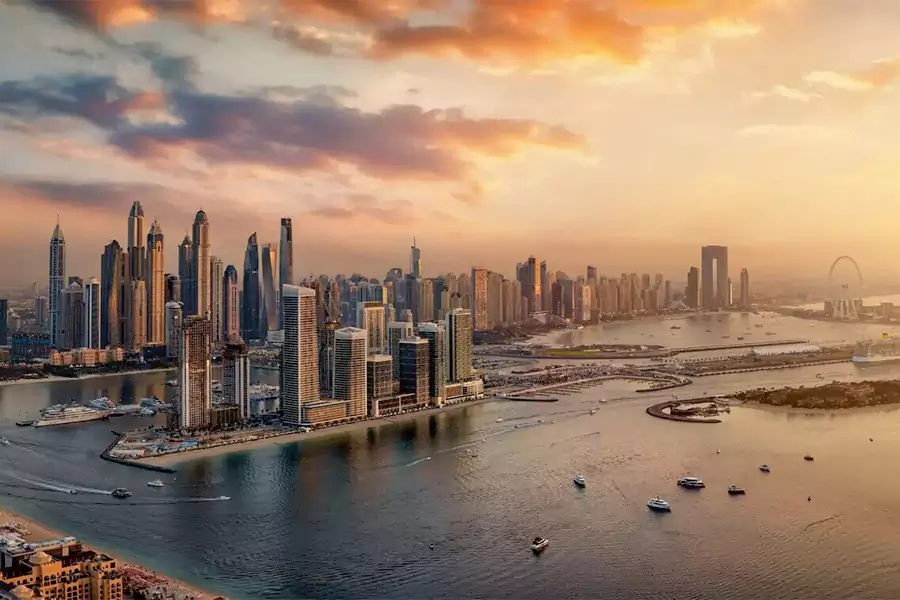
Dubai is moving faster than most global cities, and the next two decades will push sustainability from “nice to have” into mandatory territory.
Solar systems will shift from optional add-ons to required installations, especially for villas and low-rise buildings. Rooftops sitting idle? Unlikely. The government’s solar agenda is already creeping into regulations, and by 2040, it will feel normal, almost mundane.
Smart-city integration will deepen. Homes will talk to roads. Roads will talk to DEWA grids. Even small apartment units will get energy dashboards that track usage in real time. One tap, and you’ll see where the cooling loss is coming from. AI will optimise everything behind the scenes, trimming energy waste hour by hour.
Net Zero buildings will become the new baseline. Developers who ignore this shift will simply fall out of demand. And as sustainability becomes baked into urban planning, land in green-certified districts will climb in value. Investors already sense this. And the early adopters win.
FP Property’s Expert View
FP Property approaches sustainability like an investment metric. Not a marketing phrase. Clients want clarity. So the evaluation is structured, consistent, and practical.
We use an internal Sustainability Scoring Matrix, built around five pillars: energy performance, construction quality, water efficiency, community design, and long-term operational costs. Each project gets scored, then cross-checked with developer records and independent certifications.
Our consultants match buyers with the right developer based on how they live. Not just where they want to live. A family that prefers walkable communities will lean toward pedestrian-first districts. Buyers who want long-term ROI often gravitate to developers with strong Net Zero commitments.
A quick example. One client needed a low-maintenance, energy-efficient home with predictable utility bills. After comparing several developers, we guided them toward a Sobha community with high insulation standards and district cooling. The result? Lower DEWA bills than expected and a smoother renting experience when they later leased the unit. A clean win!
Final Verdict: Which Developer Has the Strongest Track Record in Sustainability?
Dubai’s sustainability scene isn’t owned by a single hero. It grows from a handful of developers, each pulling weight in a different corner of the field. Majid Al Futtaim often ends up in the spotlight because its governance work is hard to ignore. They track what they promise, publish what they achieve, and stick to their Net Positive goals with a clarity most competitors rarely manage.
Emaar plays a different game. They shape entire districts from scratch, building walkable, energy-efficient communities that age well and cut carbon without shouting about it. Their scale gives them a long view that few can imitate.
Sobha focuses on the nuts and bolts. Their in-house construction system produces tighter structures, better insulation, and cooling performance that genuinely shifts day-to-day utility costs. It is the kind of impact people only notice once they live in the space.
Ellington takes a softer route, leaning into wellness-driven design. WELL-certified spaces, cleaner indoor air, and biophilic layouts that make homes feel calmer. It is subtle, but it adds a kind of ease to everyday life.
Put together, these approaches show a simple truth. Dubai’s sustainable future isn’t built by one dominant name. It moves forward because several developers push in different directions that fit together.
Ready to Invest in a Sustainable Property in Dubai?
If you want a property that stays valuable long-term and also matches your lifestyle and requirements, then start now!
Book a consultation with FP Property, explore eco-focused off-plan communities, or speak directly with our advisors for tailored guidance.