
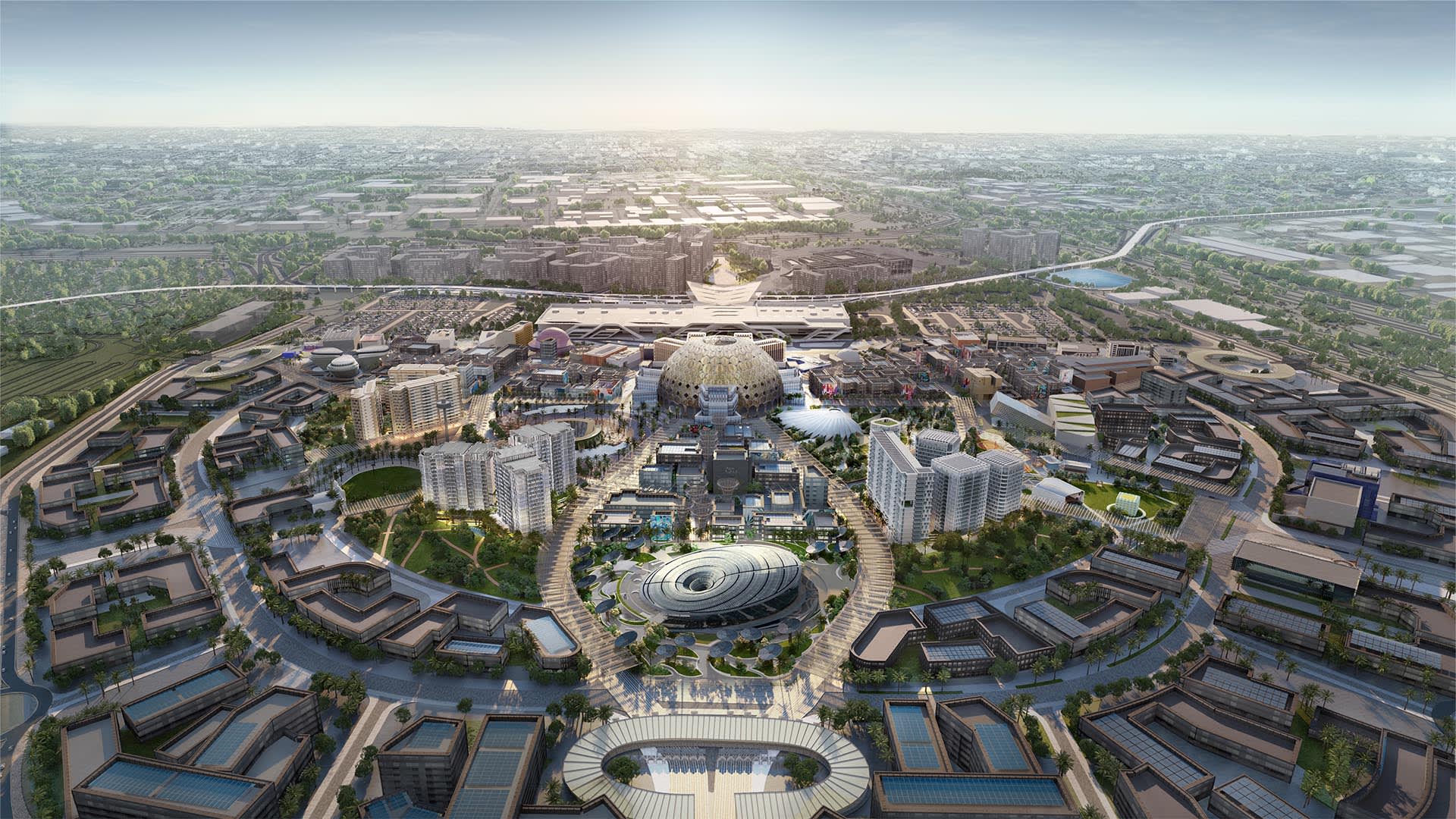
Dubai is a city that never stops growing. Its urban landscape changes faster than almost any other city in the world. As we look toward the 2026–2030 period, the city is moving into its most ambitious growth phase yet. The Dubai 2040 Urban Master Plan is the blueprint for this change. It aims to make Dubai the best city in the world to live in.
In the next five years, we will see a massive shift in where people live and work. Infrastructure projects like the Metro Blue Line and the expansion of the Al Maktoum International Airport will change everything.
These are not just road projects. They are "growth engines" that drive people to new areas. When more people move to a place, property values go up. This is the secret to finding the best investment areas in Dubai for capital appreciation.
Cash-Flow-First vs. Appreciation-First Strategies in Dubai

Before you buy, you must know your goal. In Dubai, there are two main ways to make money from property. You must decide if you want a monthly profit today or a big payout tomorrow. This choice changes where you buy and how you pay. Every successful investor starts with a clear plan.
Cash-Flow-First Strategy
This is for investors who want money now. You buy a property that is already built. You put a tenant in it immediately. Your goal is to get a high "rental yield" (the rent you get compared to the price you paid).
-
● Risk: Low. You know the rent and the area today.
-
● Reward: Steady monthly income.
-
● Best Areas: Jumeirah Village Circle (JVC), Dubai Marina, and Business Bay.
Appreciation-First Strategy
This is for investors who want to build long-term wealth. You buy in an area that is still developing. You are betting that the area will be much more popular in five years. Your goal is "capital appreciation" (the increase in the property’s market value).
-
● Risk: Medium. You have to wait for the community to finish.
-
● Reward: A large profit when you sell the property later.
-
● Best Areas: Dubai South, Dubai Creek Harbour, and Dubai Islands.
A smart investor often has a "balanced portfolio." They use some money for cash flow and some for long-term growth.
Macro Drivers of Capital Appreciation in Dubai
When you see certain neighbourhoods in Dubai suddenly skyrocket in value, it is rarely due to luck or market whims. Instead, these jumps are powered by "Macro Drivers"—the massive, city-wide shifts in infrastructure and economy that dictate where people will want to live five or ten years from now. By understanding these engines of growth, you can move from speculative guessing to strategic investing.
The Power of Global Logistics
The most significant driver today is the expansion of Al Maktoum International Airport (DWC). This is not just an airport; it is the heart of a future global city.
As it scales to become the world’s largest aviation hub, it will act as a massive magnet for employment. We are talking about hundreds of thousands of new jobs in logistics, aviation, and tech.
All those professionals will need high-quality housing within a short commute, which is exactly why property values in Dubai South are on such a strong upward trajectory.
Scarcity and the Tourism Surge
Next, consider Dubai’s ambitious goal to host 40 million tourists. To hit this target, the city is literally expanding its borders through projects like the Dubai Islands.
These developments are adding miles of new beachfront and coastal land. In real estate, waterfront property is the ultimate "limited edition" asset.
Because there is only so much coastline available, and global demand for a "sun and sea" lifestyle is endless, these areas naturally see the fastest capital appreciation. When something is rare and everyone wants it, the price has only one way to go.
The Innovation Economy
Finally, Dubai’s pivot toward becoming a global AI and technology hub is shifting the residential map. Specialised free zones and new "Urban Tech Districts" are drawing in high-earning global talent.
These tech professionals don't just want a roof over their heads; they demand modern, "smart" homes in connected communities.
Neighbourhoods that cater to this specific, wealthy demographic are seeing a sustained spike in value as the city evolves from a tourism centre into a global brain trust.
Best Areas in Dubai for Long-Term Capital Growth (2026–2030)
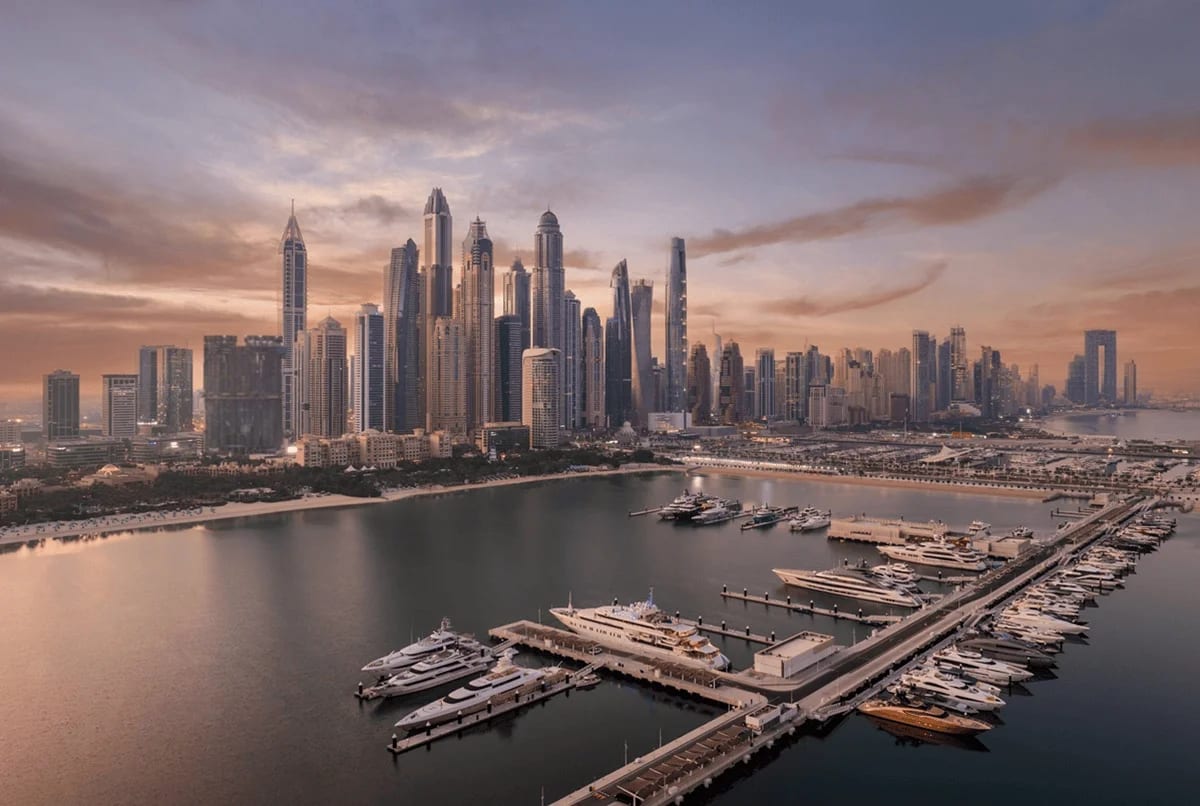
If you want the best capital gains, you must look at where the government is spending money. These are the top corridors for the next five years.
4.1 Dubai South (Residential & Emaar South)
Dubai South is the "City of the Future." It is home to Expo City and the new Al Maktoum Airport. For a long time, it was seen as "too far." That has changed.
Why buy here?
-
● The Airport: The $35 billion expansion will drive massive demand.
-
● Affordability: You can still buy 1-bedroom apartments for around AED 1.1 million.
-
● Growth Potential: Experts predict prices could rise by 35% to 45% by 2030 as the airport becomes the main hub for the city.
4.2 Dubai Creek Harbour
Think of Dubai Creek Harbour as "Downtown 2.0." It is being developed by Emaar, the company behind the Burj Khalifa. It is a stunning waterfront community with its own massive park and marina.
Why buy here?
-
● Iconic Status: It will eventually host a new landmark tower and a giant mall called Dubai Square.
-
● Metro Connectivity: The new Metro Blue Line will have stations here, making it very easy to reach.
-
● Yield and Growth: It offers a great mix of 6% rental yields and strong price growth as the community matures.
4.3 Dubai Islands
Formerly known as Deira Islands, this project by Nakheel is being reborn. It is a cluster of five islands dedicated to tourism, living, and leisure.
Why buy here?
-
● Beach Access: It will add 20 kilometres of new beaches to Dubai.
-
● Early Entry: Many projects are in the early stages. Buying now gives you the lowest possible price.
-
● The "Palm" Effect: Beachfront property in Dubai always appreciates. As the islands fill up with luxury resorts, residential prices will soar.
4.4 Dubai Design District (d3) & Surrounding Zones
This is the creative heart of the city. It is located right between Downtown and the Dubai Canal.
Why buy here?
-
● Prime Location: It is very close to the business centres but has a cooler, more artistic vibe.
-
● Short-Term Rental Demand: Because it is a hub for events and fashion, properties here are perfect for Airbnb-style rentals.
-
● High Demand: There is very little residential land in this specific zone, making existing units very valuable.
4.5 MBR City & Adjoining Clusters
Mohammed Bin Rashid Al Maktoum City (MBR City) is a huge master-planned area. It includes places like Sobha Hartland and Meydan.
Why buy here:
-
● Crystal Lagoons: Many communities here feature massive man-made beaches and lagoons.
-
● Proximity: It is only 10 to 15 minutes away from the Burj Khalifa.
-
● Quality of Life: With huge green spaces and top-tier schools, it is the number one choice for wealthy families moving to Dubai.
Off-Plan vs. Ready for Growth-Oriented Investors

If your goal is capital appreciation, you must decide between off-plan and ready property.
The Case for Off-Plan
Most growth investors choose off-plan. Here is why:
-
Lower Entry Price: You buy at the "first price." By the time the building is finished (3–4 years later), the market price has usually gone up.
-
Payment Plans: You don't need all the money at once. You pay in small steps, like 1% per month.
-
Modern Standards: New buildings have the latest tech and better designs, which tenants love.
The Case for Ready Property
Ready property is good if you find a "developing" community. If you buy a ready apartment in a community that is about to get a new mall or a Metro station, you still get appreciation. Plus, you can start earning rent today.
Ticket Sizes, Payment Plans & Exit Strategies
Knowing your numbers is vital. Here is a look at the typical investment needed for these growth areas.
|
Community |
Property Type |
Entry Price (AED) |
Typical Payment Plan |
|
Dubai South |
1-Bed Apartment |
900k – 1.2M |
80/20 or 70/30 |
|
Dubai Creek Harbour |
1-Bed Apartment |
1.4M – 1.8M |
80/20 |
|
MBR City (Sobha) |
1-Bed Apartment |
1.5M – 1.9M |
60/40 |
|
Dubai Islands |
2-Bed Waterfront |
2.5M – 3.5M |
50/50 |
Your Exit Strategy
Don't just buy; plan how to sell.
-
● The Handover Flip: Many investors sell right as the building finishes. This is when demand is highest because people can move in immediately.
-
● The 5-Year Hold: Hold the property for five years. This allows you to collect rent and wait for the surrounding shops, schools, and parks to finish. This usually results in the highest total profit.
Expected Appreciation Scenarios

While no one can predict the exact future of any market, looking at current data for Dubai allows us to project three clear paths for the next five years. These scenarios help you understand how different global and local factors might impact your investment in high-growth corridors like Dubai South or Dubai Creek Harbour.
1. Conservative Scenario (Steady Growth)
In a conservative scenario, we assume the global economy remains quiet, and interest rates stay higher for longer. Even under these conditions, Dubai is expected to see a steady growth of 4% to 6% per year.
This growth is anchored by the city's fundamental population surge, which is on track to hit 5 million by 2030, creating a natural floor for housing demand.
In this case, your property would likely gain about 25% in value over 5 years. This scenario is ideal for the "wait and see" investor who prioritises capital preservation and stable, incremental wealth building while the surrounding infrastructure matures.
2. Base Case Scenario (Current Trend)
This is the most likely path according to current market analysts and economic indicators. In the base case, Dubai continues to successfully attract a massive influx of global businesses and high-net-worth residents through its D33 economic agenda and expanded Golden Visa program.
With an expected annual growth rate of 8% to 10%, the market remains vibrant but sustainable. Under these conditions, a property in a strategic growth corridor could see a total appreciation of 40% to 50% by 2030.
This scenario assumes that supply and demand remain relatively balanced, with new infrastructure like the Metro Blue Line and community malls opening on schedule to support rising prices.
3. Optimistic Scenario (Boom Period)
An optimistic scenario occurs if major milestones, such as the Al Maktoum International Airport expansion, are completed ahead of schedule or if Dubai experiences an even larger wave of foreign direct investment than current record-breaking levels.
If the aviation sector's contribution to GDP accelerates as planned, we could see annual growth hitting 12% to 15%. In this "boom" environment, property values could nearly double in high-demand zones like Dubai South.
This scenario is driven by a massive "early-mover advantage" where the actual transformation of the area from a construction site to a global logistics hub triggers a re-rating of land prices, similar to what was seen during the early development phases of Downtown Dubai.
Common Mistakes When Chasing Capital Appreciation

Even in a booming market, you can lose money if you are not careful. Avoid these three common traps:
-
Buying Purely on Hype: Just because an area has a fancy name doesn't mean it will grow. Check if the developer has finished projects before. Check if the government has actually signed the budget for the new roads.
-
Ignoring Maintenance Fees: Some buildings have very high "Service Charges." If the fees are too high, they eat into your profit. Always ask for the estimated service charge per square foot.
-
Wrong Timing: If you buy too late in a cycle, you might overpay. The best time to buy for appreciation is "early-stage." You want to be one of the first people in a new community.
How to Build a Balanced Dubai Portfolio?
At FP Property, we tell our clients to be smart. Don't put all your eggs in one basket.
-
● Step 1: Buy a ready apartment in an area like JVC or Arjan. This gives you AED 80,000 to AED 100,000 in rent every year.
-
● Step 2: Use that rent money (or your extra savings) to buy an off-plan unit in Dubai South or Dubai Creek Harbour.
-
● Step 3: Wait. As the off-plan unit grows in value, your ready unit is paying for your costs. By 2030, you will have one high-value asset and one high-income asset.
FP Property Market’s Investment Advisory Edge
Why work with us? Because we live and breathe the Dubai market. We don't just sell you an apartment. We help you build a future.
We have access to "off-market" deals that are not on the internet. We study the master plans from the government every day. We know which building has the best view and which one will be blocked by a new hotel in three years. Our advice is based on hard data, not sales talk. We treat your money like our own.
Conclusion
Dubai is no longer a "gamble." It is a world-class financial centre with a clear plan. The government's vision for 2040 ensures that the city will continue to expand. By choosing the best investment areas in Dubai for capital appreciation today, you are positioning yourself for life-changing wealth over the next decade.
The key is to act before the prices rise. The "early-entry" window for areas like Dubai South and Dubai Islands is open right now, but it won't stay open forever.
Request a 2026–2030 Dubai Investment Map Tailored to Your Budget. Let us show you exactly where the growth is moving. We will provide a custom list of projects in Dubai that match your goals and your budget.